
Hereditary Eye Diseases in Dogs: What Owners Need to Know
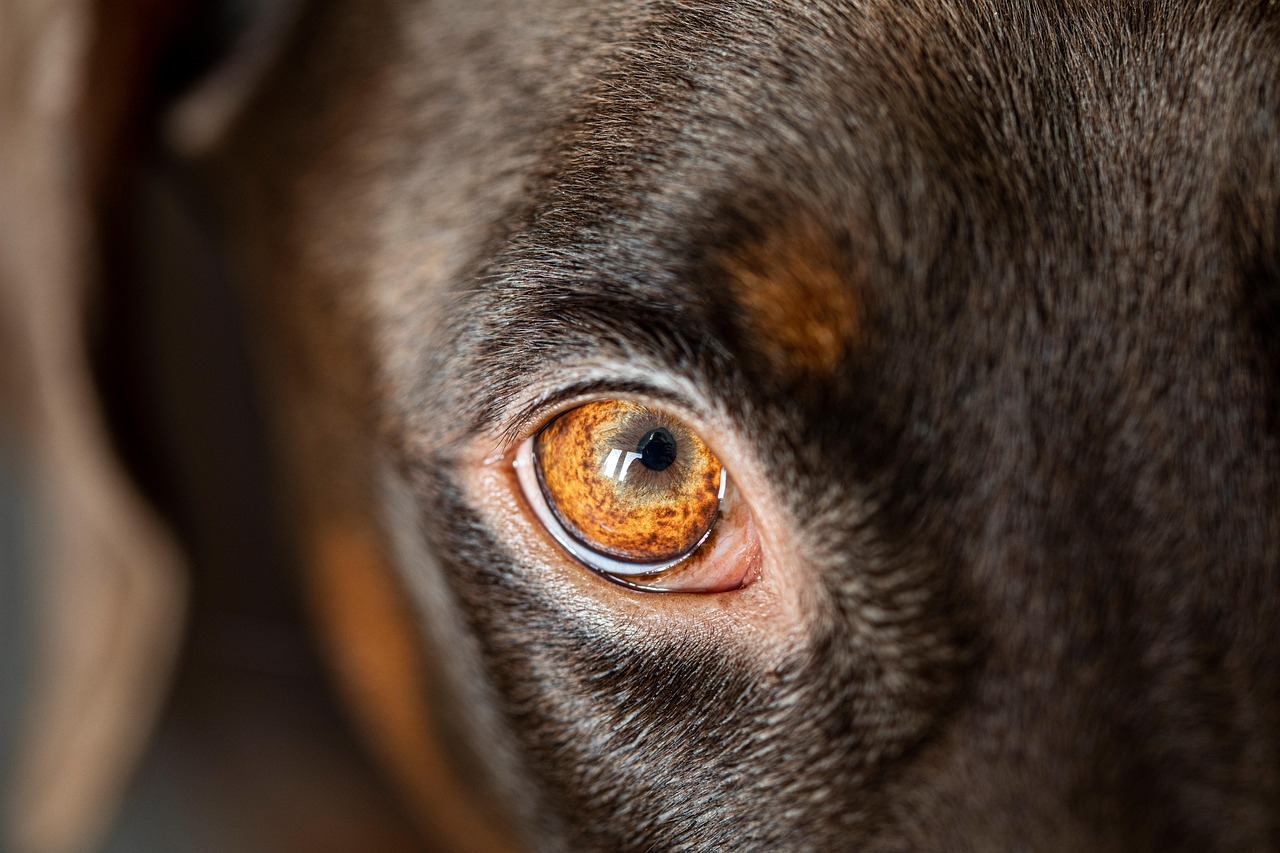
Hereditary eye diseases in dogs can be a concerning issue for pet owners. Understanding these conditions is essential for ensuring your dog’s eye health and overall well-being. Various breeds are genetically predisposed to certain hereditary eye conditions that can lead to vision loss or other complications. Early identification of these diseases is critical for effective treatment. Regular veterinary check-ups are necessary to monitor changes in your dog’s eyes. Owners should also remain aware of any signs of discomfort or change in their dog’s behavior that could indicate an eye problem. Recognizing these symptoms early can aid in prompt action. Owners must educate themselves about their dog’s specific breed tendencies to be proactive in their care. For instance, some breeds may be more prone to conditions like cataracts, progressive retinal atrophy, or glaucoma. Specific symptoms can include cloudiness in the eye, redness, excessive tearing, or pawing at the eyes. If any of these occur, contacting your veterinarian is crucial.
Genetic Testing: A Vital Resource
Owners of dogs from breeds prone to hereditary eye diseases should consider genetic testing. This proactive approach enables you to identify potential risks even before symptoms appear. Knowing your dog’s genetic predisposition can help you make informed decisions regarding breeding and care. Several organizations provide genetic testing services that screen for various hereditary eye conditions. By investing in genetic testing, you can gain insights into the likelihood of developing certain eye diseases over time. This can aid also in making responsible breeding practices that minimize the risk of passing hereditary eye diseases onto puppies. Awareness of your dog’s genetic profile empowers you to take preventive measures. Additionally, understanding these genetic factors may help inform your choice of veterinarian and eye specialists for any necessary follow-ups or treatment plans. Early intervention in inherited eye problems is vital for maintaining your dog’s quality of life. Therefore, responsible breeding and informed ownership can significantly impact the incidence of these eye conditions in future generations.
Common Hereditary Eye Diseases
There are several hereditary eye diseases that impact dogs. Among the most common are cataracts, progressive retinal atrophy (PRA), and glaucoma. Cataracts are characterized by cloudiness in the lens of the eye, potentially leading to blindness. Various dog breeds can develop cataracts due to hereditary factors, particularly those with genetic predispositions. On the other hand, progressive retinal atrophy is a degenerative condition, where the retina deteriorates over time, resulting in a gradual loss of vision. Some breeds, such as Labrador Retrievers, are notably susceptible to PRA. Glaucoma, caused by increased pressure within the eye, can also lead to blindness if not treated promptly. It is essential for dog owners to be vigilant about regular veterinary eye exams, as early detection and treatment can significantly improve outcomes. An informed pet owner can recognize whether their dog displays any of these conditions. Prompt action may prevent further deterioration of their vision. To stay informed, participate in breed clubs and forums for updates on hereditary conditions affecting your dog.
Symptoms to Watch For
Recognizing the early symptoms of hereditary eye diseases is crucial for timely intervention. Common symptoms include excessive tearing, squinting, redness, cloudiness, and behavioral changes, such as bumping into objects. Owners should regularly check their dog’s eyes for unusual signs such as irregular pupils or a change in appearance. If you notice any of these symptoms, scheduling a veterinary appointment as soon as possible is essential. Your veterinarian may recommend a comprehensive eye examination by a veterinary ophthalmologist. This specialist may utilize specialized equipment to detect conditions that may not be visible to the naked eye. Early diagnosis can significantly influence the prognosis of your dog’s eye health. Being proactive in monitoring your pet’s eye health can lead to timely interventions and treatments. For specific breeds known to be prone to hereditary eye diseases, increasing awareness is necessary. Educating yourself about these issues empowers you to take action and safeguard your furry friend’s vision.
Treatment Options Available
Once hereditary eye diseases are diagnosed in dogs, treatment options vary based on the condition’s severity. In some cases, surgical intervention may be necessary to restore vision or manage discomfort. For instance, cataract surgery can be performed to replace the cloudy lens with an artificial lens, restoring the dog’s eyesight. In other situations, medication may be prescribed to control conditions like glaucoma. Regular monitoring and check-ups are essential to ensure that treatment is effective and to make necessary adjustments. In the case of PRA, currently, there are no effective treatments available, but early detection can help manage the dog’s quality of life with proper environmental modifications. Supportive care and adjustments to daily routines can be essential for keeping a dog comfortable when faced with progressive vision loss. Maintaining a close relationship with your veterinarian and following their recommendations is critical to effectively managing hereditary eye diseases. Understanding the available treatment options empowers dog owners to make informed decisions in the best interest of their furry friend.
Preventative Measures to Take
Preventative measures play a vital role in maintaining your dog’s eye health, especially for breeds predisposed to hereditary eye diseases. Regular veterinary check-ups should include a thorough eye examination, ensuring any potential issues are detected early. Dog owners should also consider preventative care methods such as keeping the dog’s living area free from hazards. Providing appropriate nutrition can contribute to overall eye health. Nutrients like omega-3 fatty acids, antioxidants, and vitamins are essential for maintaining eye health. Research has shown that certain diets can help promote better vision. Additionally, keeping your dog active can encourage better ocular blood circulation, enhancing eye health. Furthermore, ensuring your dog is not overexposed to direct sunlight can protect against potential UV damage. Providing shaded areas when outside can make a difference in safeguarding their eyesight. In conclusion, taking these preventative steps can significantly improve eye health and mitigate hereditary conditions in dogs, allowing them to live healthier, happier lives.
Conclusion: The Role of the Dog Owner
The responsibility of managing hereditary eye diseases in dogs ultimately falls on the owner. By staying informed about potential conditions and being vigilant in monitoring their dog’s health, owners can play a significant role in enhancing their pet’s quality of life. Early detection and treatment can make a substantial difference in the management of eye diseases. Educating oneself about inherited eye conditions, recognizing symptoms, and seeking veterinary care are integral components of being a responsible dog owner. Additionally, promoting responsible breeding practices helps reduce the incidence of hereditary conditions in future dog generations. As an owner, advocating for the health and well-being of your dog is imperative. Building a strong relationship with your veterinarian is crucial, ensuring optimal care is delivered to your pet when needed. Lastly, always seek out updated information regarding advancements in eye health treatments and care methods. By prioritizing education, prevention, and proactive vigilance, owners can help their canine companions enjoy a healthy and fulfilling life.
Resources for Further Learning
For those interested in learning more about hereditary eye diseases in dogs, various resources are available. Reputable organizations, like the American Kennel Club (AKC), often provide information on breed-specific health issues, including eye diseases. The American College of Veterinary Ophthalmologists offers insights and resources for maintaining your dog’s eye health. Consulting with your veterinarian can also be beneficial, as they can provide resources tailored to your dog’s breed and specific needs. Exploring online forums and communities can provide additional support and shared knowledge. Always ensure that any resources consulted are scientifically backed and reputable to avoid misinformation. Books and articles by veterinary specialists are invaluable for pet owners seeking to deepen their understanding. Comprehensive guides on dog care can also include sections on eye health, providing vital information regarding hereditary conditions. By pursuing further education and resources, dog owners can empower themselves to be effective advocates for their pets’ health. Staying informed positions you to take the best measures possible for ensuring a long, healthy life for your dog.