
Oral Tumors in Dogs: Symptoms, Diagnosis, and Care
Oral tumors in dogs can be a serious concern for pet owners, as they can impact both the quality of life and overall health of our furry companions. Recognizing the early signs can significantly improve treatment outcomes. Some common symptoms include unusual growths in the mouth, which may be accompanied by bad breath, bleeding, or difficulty eating. It’s vital to pay close attention to changes in your dog’s behavior, especially if they demonstrate pain or discomfort when eating or drinking. Regular oral examinations at home can help monitor any changes. If you observe any persistent swelling or growth, promptly visiting a veterinarian should be a priority. Notably, some tumors may not exhibit significant symptoms in the early stages, making it even more crucial for dog owners to be vigilant. Understanding the types of oral tumors that can affect dogs, including malignant and benign tumors, is essential. A well-informed pet owner is better equipped to seek veterinary assistance early, leading to more effective treatment options for their beloved pets. Don’t hesitate to reach out to your vet if you notice any concerning signs.
Early diagnosis is paramount in managing oral tumors effectively. If your vet suspects the presence of an oral tumor, they may conduct a comprehensive examination. This often includes dental x-rays and possibly a biopsy to determine the type of tumor. Being familiar with the various types of oral tumors that can affect dogs is especially important. Common types include squamous cell carcinoma, fibrosarcomas, and melanomas, each presenting different treatment challenges. In some cases, a surgical procedure may be recommended to remove tumors. Your veterinarian may suggest additional treatments such as chemotherapy or radiation therapy to ensure the best possible outcome. Every dog is unique in their health status and response to treatments, which emphasizes the importance of a tailored health care plan. When discussing options with your vet, don’t hesitate to ask questions about potential side effects and the expected recovery process. Early intervention can lead to a better prognosis and enhanced quality of life for your canine friend. Regular vet check-ups can aid in the early detection of these concerning signs, ultimately improving the chances of successful treatment.
Recognizing Symptoms of Oral Tumors
Being aware of the signs of oral tumors in dogs is crucial for timely intervention. One notable symptom is excessive drooling, which, although sometimes harmless, could indicate underlying health issues. Other indicators might include swelling in the muzzle or face, which can affect your dog’s ability to eat or drink normally. You might notice your dog experiencing discomfort, which could lead to irritability and changes in behavior. Additionally, if your canine companion refuses to eat or shows reluctance to chew on toys, this could suggest oral discomfort or pain. Finally, keep an eye out for any unusual lumps or bumps in the mouth that could signify growths. If you detect any abnormalities in your pet’s oral cavity, make an appointment to see your veterinarian. They can perform a detailed assessment of your dog’s oral health and take any necessary steps toward diagnosis and treatment. Early detection plays a significant role in successful outcomes when dealing with oral tumors, so every conscientious dog owner should prioritize monitoring their pet’s oral health regularly.
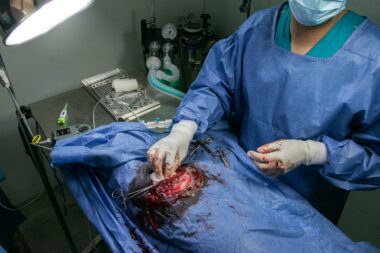
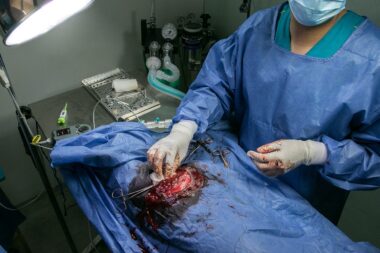
The treatment plan for oral tumors largely depends on various factors, including tumor type, size, location, and the dog’s overall health. Surgical removal may often be recommended as the first line of treatment, particularly for localized tumors. This can help alleviate discomfort, prevent further complications, and allow for proper diagnosis through histopathological analysis. However, in specific cases, additional therapies might be warranted. Some tumors may require a combination of surgery, chemotherapy, or radiation therapy to achieve the best outcome. It is essential to have a thorough discussion with your veterinarian about the potential risks and benefits of each treatment modality. Preparing for treatment means being aware of the implications for your dog’s recovery. Following surgery, your dog may need special post-operative care to manage pain and promote healing. Providing a comfortable resting environment and monitoring their food and hydration intake becomes imperative. Regular veterinary visits can help gauge progress and make any necessary adjustments. Collaborating closely with your vet ensures your pet receives the most appropriate care tailored to their specific needs throughout the healing process.
Post-Treatment Care and Regular Monitoring
After treatment for oral tumors, ongoing care and monitoring are essential for ensuring your dog’s well-being. Regular follow-up appointments with your veterinarian will help keep track of your dog’s recovery, noting any changes or complications that may arise. Most importantly, a proper diet is crucial during this recovery phase. You may need to adjust your dog’s food to accommodate their current oral health, particularly after surgery where normal chewing might be challenging. Switching to softer food options can aid in digestion and comfort during this time. Additionally, maintaining excellent dental hygiene at home is vital. Regularly brushing your dog’s teeth can help prevent further oral health issues and keep their mouth clean. Remember to consult your veterinarian about the appropriate dental care products suited for post-treatment dogs. This also involves monitoring their behavior and appetite closely, as any sudden changes could be indicative of complications. Keeping a journal can help track your dog’s progress and any concerning signs that may warrant immediate veterinary attention to safeguard their health.
As you care for a dog recovering from oral tumor treatment, understanding the psychological aspects of recovery is also critical. Dogs may experience anxiety or depression after undergoing surgery or treatment, particularly if they associate certain activities with discomfort. Providing a stable and loving environment can aid in their emotional healing. Regular playtime, gentle interactions, and positive reinforcement can help boost their morale. Engaging them in light activities can keep their spirits up while avoiding any unnecessary strain. Communicating with your veterinarian about behavioral changes and seeking advice on additional support, such as veterinary behavioral therapy, can also be beneficial. Furthermore, as your pet heals, maintaining a close eye on their oral health remains important. The recurrence of tumors is possible, so vigilantly watching for any new symptoms is essential for early detection. Being proactive about dental visits and integrating regular dental care into your routine will help combat future issues. Promoting proper oral health and well-being will enhance your dog’s quality of life, allowing you both to enjoy many more happy moments together.
Conclusion
Addressing the issue of oral tumors in dogs requires awareness and proactive management. Regular check-ups with your veterinarian and understanding the signs and symptoms can lead to early diagnosis and intervention. By educating yourself on potential oral health issues, you can provide your dog with the best care possible. Prioritizing dental hygiene is often overlooked, yet it’s crucial for preventing more serious complications. Safe and gentle cleaning techniques can foster long-term oral health and ensure your dog does not endure unnecessary discomfort. When faced with the unfortunate diagnosis of an oral tumor, being prepared with knowledge of treatment options can empower you to make informed decisions regarding your pet’s care. Support systems, including your veterinarian’s guidance and fellow pet owners, can provide invaluable resources and encouragement. Ultimately, the bond you share with your furry friend can thrive through attentive care and love, even in challenging times. Always remember that no concern is too small; your dog’s well-being relies on your commitment to monitor their health diligently. Embrace this journey together, ensuring countless joyful moments in the years to come.
In addition to the clinical aspects discussed, it’s essential to recognize the value of community support among fellow dog owners facing similar challenges. Sharing experiences and advice can provide a source of comfort and reassurance during difficult times. Online forums, local support groups, and social media platforms can connect you with others who understand the emotional rollercoaster of caring for a dog with oral tumors. Thus, not only can this connect you to knowledgeable resources and first-hand experiences, but it may also help to foster friendships along the way. Keeping an open line of communication with your veterinarian throughout this process will also enhance your overall experience. Your vet can share resources, recommend professionals for additional emotional support, and offer insights on maintaining your dog’s quality of life as they navigate their recovery. Proactive measures and a community of support can greatly enhance the healing journey for both you and your dog. Ultimately, your vigilant attention and love can turn this challenging situation into an opportunity for greater understanding and bonding, allowing your beloved pet to thrive in a nurturing environment.