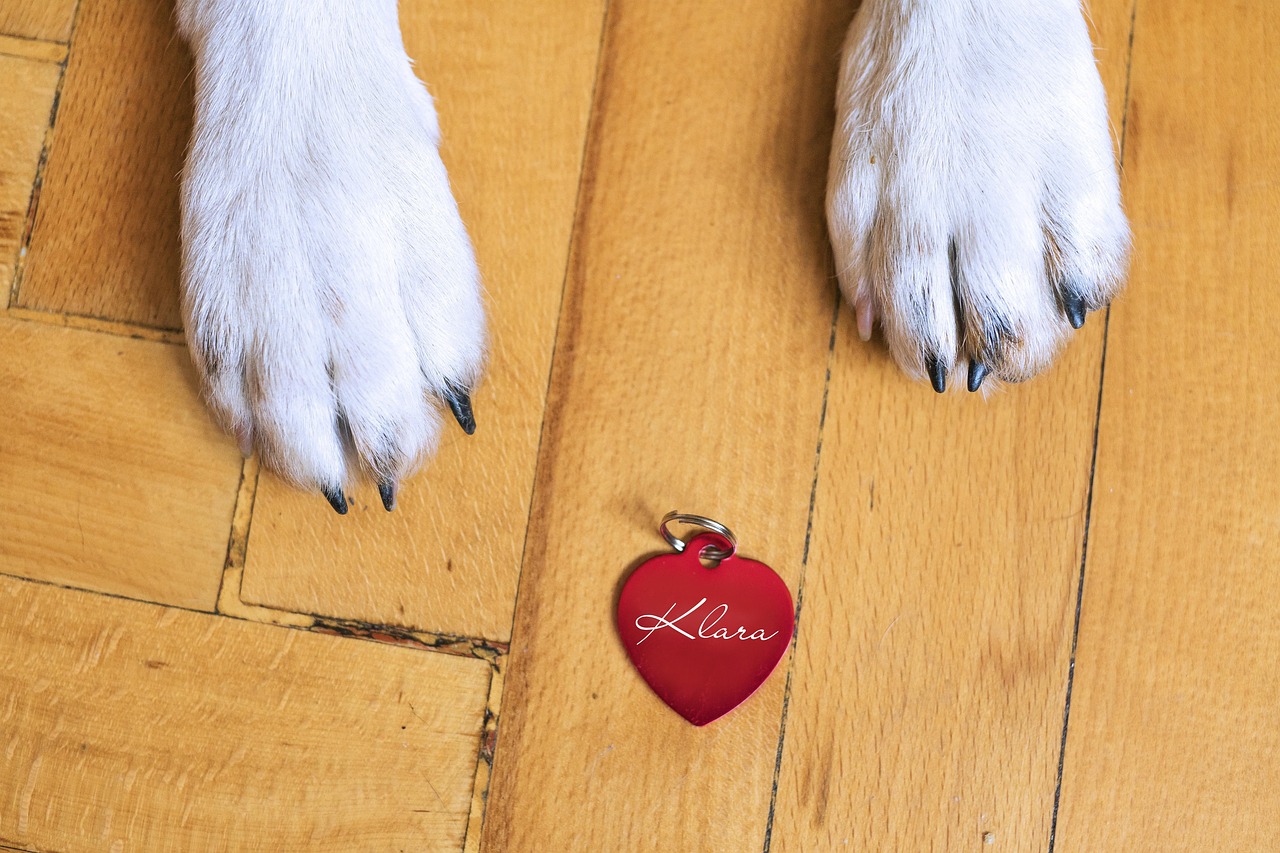

The Importance of Identification for Dogs Outdoors
When it comes to outdoor adventures, our furry friends deserve the utmost care and safety. Proper identification is crucial during these outings, as it ensures that lost pets can be reunited with their owners quickly. Many owners opt for a combination of methods such as tags, collars, chips, and GPS systems. Collars can carry essential information like the dog’s name, owner’s phone number, and address. This contact information is particularly vital in outdoor spaces where dogs might run off. However, collars can sometimes come undone, which is why microchipping alongside collars is highly recommended. Microchips provide a permanent form of identification that can’t be lost, as they’re embedded under the dog’s skin. Another innovative solution is the use of GPS tracking devices, which allow owners to track their pets’ whereabouts in real-time. With various options available, pet owners should choose the methods that best suit their lifestyle and dog’s personality. This proactive approach can significantly reduce the chances of losing a pet during outdoor activities, giving every dog owner peace of mind when venturing into nature.
Identification doesn’t just help locate lost pets but also provides crucial information in emergencies. Many outdoor activities can lead to unforeseen circumstances, such as injuries or encounters with wildlife. In these scenarios, having identification allows animal rescuers and veterinary personnel to quickly contact the pet’s owner. This can be especially important in cases where immediate medical attention is required. Emergency responders often advise keeping a record of your dog’s health status, medications, and emergency contacts, which can be attached to the dog’s collar or carried in a waterproof container. Additionally, informing friends or fellow hikers about your dog’s identification methods can enhance safety. This shared knowledge ensures everyone knows what to do if your pet gets lost or encountered unexpected dangers. The importance of educating oneself about local wildlife in outdoor areas cannot be overstated either. Understanding the risks can help owners develop strategies for keeping their pets safe while outdoors. Ensuring your dog is well-trained to respond to commands is also beneficial in high-risk outdoor settings, reinforcing the need for thorough preparedness before embarking on outdoor adventures.
Choosing Suitable Identification Methods
When selecting the right identification methods, it’s essential to consider your dog’s activity level and behavior. For highly active dogs who love to explore, durable collars with secure clasps are necessary to withstand outdoor adventures. Look for tags made from sturdy materials that won’t fade or wear down easily in the elements. On the other hand, for dogs prone to displacing collars, microchips may serve as a more secure option. These chips function without batteries, providing lifelong identification that remains effective through any adventures the dog may embark upon. Moreover, adding reflective or glow-in-the-dark features to collars can increase visibility during nighttime outings. If the dog is often in situations where it can get lost, a GPS tracker allows for the best real-time tracking features, alerting owners instantly if their pet wanders too far. Assess your dog’s lifestyle to make informed decisions about suitable options. Also, periodically review and update your identification details, especially after significant life events such as moving, changing phone numbers, or adopting a new pet. Keeping this information current is part of responsible pet ownership.
Regular outdoor activities can expose your dog to various environmental factors that warrant specific considerations for identification. For instance, certain weather conditions can affect the materials used for identification tags or collars. Opt for waterproof and weather-resistant materials to ensure the information remains intact, even during rain or wet conditions. Additionally, if your dog loves swimming, consider attaching a waterproof tag to the collar rather than a traditional metal tag that could corrode. It’s also wise to have a unique identifier on your dog’s harness if using one instead of a traditional collar. Make sure every member of your household is familiar with your dog’s identification features and emergency contacts. This shared knowledge can be invaluable during chaotic situations, like if your dog runs away during a hike. Train your dog to respond positively to safety commands to further prevent such occurrences. Effective training can include recall exercises and ensuring your dog sits calmly in unfamiliar environments. By combining proper identification with training, the likelihood of a successful reunion is greatly heightened, adding another layer of safety for your adventurous canine companion.
The Role of Community in Dog Safety
Creating a safe community environment for dogs in outdoor spaces can significantly influence their safety and well-being. Local parks or dog-friendly areas should have compliance with regulations regarding leash laws and pet waste management. Owners must encourage adherence to these guidelines to protect not just their pets but also wildlife and other park visitors. Community awareness campaigns focused on pet safety and care can help educate dog owners about the importance of proper identification. Collaborating with local veterinarians and pet stores may present opportunities for hosting workshops about outdoor safety measures and identification methods. Additionally, establishing a neighborhood watch for pets can help keep an eye out for wandering dogs during communal walks. Social media platforms can also serve as essential tools for sharing information about lost pets, identification methods, and rescue stories. Owners can utilize local groups to facilitate communication about providing safety tips in shared space. Encouraging a proactive pet community fosters a sense of responsibility and awareness, benefiting all dogs and their owners in the region. This supportive framework cultivates harmony amongst pet owners, providing a safer outdoor experience.
Investing time in proper identification for dogs not only safeguards your pet but also enhances your peace of mind during outdoor activities. Choosing to safeguard and prepare your pet ahead of risky situations can prevent lost pets and tragic accidents. The reality is that, despite best efforts, sometimes mishaps occur. Dogs can slip their leashes, become startled, or wander off unexpectedly. Having a comprehensive identification strategy in place minimizes stress and anxiety for pet owners. It is essential to remain vigilant in all situations and assess the outdoor environment before letting your dog roam freely. Creating a check-list of safety measures, including proper identification, can assist owners in preparing adequately. Each outing should be a venture into shared joy, not a source of worry. Always be ready to modify outdoor plans based on your dog’s needs and local conditions. Remember, it’s easier to avoid emergencies than to manage them once they occur. Striving for outdoor experiences filled with joy and companionship requires planning around safety measures to protect your beloved pet. Ultimately, ensuring robust identification is a vital part of that planning.
Conclusion: Accountability and Responsibility
As outdoor enthusiasts, dog owners hold the responsibility for fostering safe experiences in nature. Proper identification is an indispensable part of this accountability, ensuring your pet is easily identifiable should any issues arise. Every dog deserves to have a loving guardian who prioritizes their safety while indulging in outdoor activities. Engaging in comprehensive conversations with fellow dog owners, understanding the area you traverse, and ensuring your pet’s identification is up-to-date contribute to this responsibility. Raising awareness of the importance of multiple forms of identification encourages all pet owners to take proactive measures towards their dog’s safety. Collectively, we can build a community where every dog can enjoy their outdoor experiences worry-free, as owners work together to maintain vigilance and safety. Additionally, regular check-ups with local pet organizations can help align community safety efforts. Involve your family members in discussions around identification for dogs, especially for children, so that everyone is informed and prepared. This collective effort aids in keeping our dogs safe while embracing the spirit of outdoor adventure with love and care, knowing that identification is there if needed.
Ultimately, community involvement, proper training, and thorough knowledge about outdoor dog safety create an enriching, safe environment for our furry friends. Investing in proper identification not only protects your dog but also alleviates any fears during outings into Mother Nature. The journey of prioritizing dog safety is one that unfolds with continuous learning and adapting to new situations. Each outdoor adventure offers opportunities for understanding and reinforcing what works for you and your pet. Stay informed about changes in local regulations related to pet ownership as well. With ever-evolving societal norms regarding dogs in public areas, awareness can help in maintaining proper compliance and make enhancing safety a communal effort. Thus, as dog owners venture outdoors, they should remember to maintain a keen awareness of their surroundings and ensure their pets remain visible and safely identified at all times. Through collaboration, accountability, and education, we can protect not only our dogs but also the natural spaces we cherish together. The journey towards responsible dog ownership starts with us, the guardians, who prioritize their well-being, providing safety and fun in every outdoor experience.