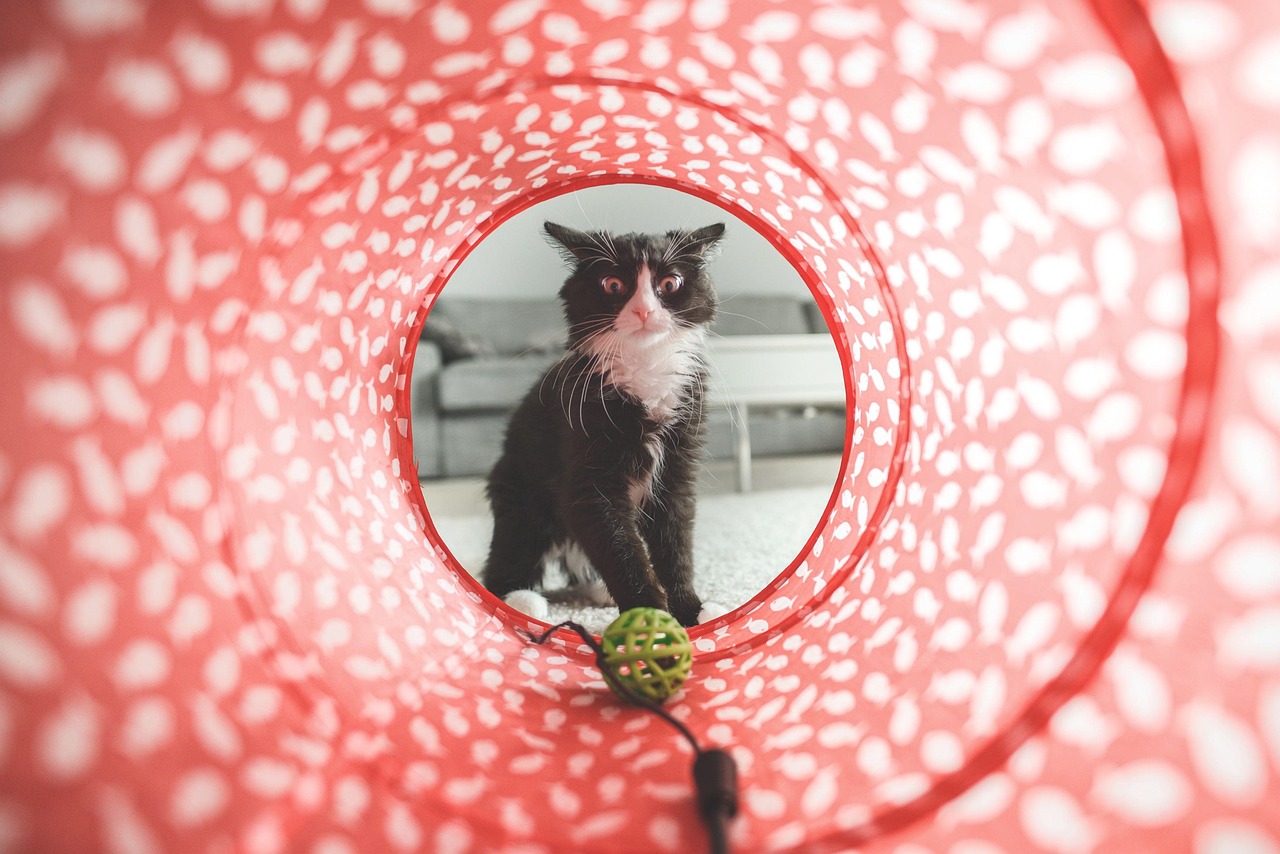

The Role of Play in Cat Socialization and Enrichment
Play is a vital component of cat socialization and enrichment, fostering healthy behaviors and interactions. Engaging in playtime helps cats develop their hunting skills, and it also strengthens bonds with their human companions. Through playful interactions, cats learn to express themselves in a positive manner. Notably, playtime facilitates natural instincts like pouncing and chasing, allowing indoor cats to mimic behaviors they would typically demonstrate in their natural environment. Additionally, regular play reduces stress and anxiety, leading to a more balanced demeanor. Various types of toys, including wand toys and interactive puzzles, can stimulate a cat’s mind and body. These toys not only provide physical exercise but also mentally challenge felines, keeping them engaged. Owners should ensure the playtime is varied and introduce new activities to maintain interest. The benefits are multifaceted, impacting emotional and physical health positively. Thus, making time for interactive play significantly contributes to a cat’s overall well-being, establishing trust, and promoting a loving relationship with their owners. Moreover, understanding each cat’s unique preferences can lead to more meaningful play experiences, enhancing the quality of life for both the pet and the owner.
One of the most effective ways to socialize a cat is through structured play sessions that encourage confidence and comfort in various environments. Early socialization, especially for kittens, is critical; it can establish a foundation for lifelong behaviors. Introducing kittens to new people, sounds, and surroundings using play allows them to adapt more easily in the future. The incorporation of toys that mimic prey, such as feather wands or laser pointers, helps stimulate their natural hunting instincts. During play, kittens learn about boundaries and appropriate behaviors, reinforcing positive interactions. Also, socialization through play provides cats with necessary skills, such as understanding body language and social cues from other animals or humans. As they engage, they become more attuned to the dynamics of their surroundings. Furthermore, creating a safe and enriching play environment allows cats to explore freely while minimizing stress triggers. Play not only fosters physical health by aiding in weight management but also builds mental resilience. Owners should become active participants in their cat’s playtime to strengthen their bond and facilitate social learning. Ultimately, play is an essential tool in aiding the transition of kittens into well-adjusted adult cats.
Understanding the importance of play in adult cats is equally significant as it encourages continued socialization and mental stimulation. Play isn’t just for kittens; older cats also thrive in an environment that prioritizes playful interactions. For adult cats, activities like puzzle feeders or interactive toys can sustain their interest and prevent boredom. Boredom in cats can lead to undesirable behaviors, including aggression or destructiveness, highlighting the need for engaging play experiences. Moreover, these activities promote exercise which is crucial for maintaining a healthy weight in adult cats. Interactive play sessions promote teamwork, as both owner and cat work together, enhancing communication and understanding between them. Furthermore, introducing new activities or toys can stimulate curiosity and reduce anxiety. Adult cats may not engage as frequently as they did during their kittenhood, making enticing them to play a necessary practice. Adjusting playtime to suit the cat’s personality allows for more enjoyable experiences. Consequently, play acts as a bridge, facilitating interactions not only with humans but also with other pets in the household. Thus, ensuring adult cats remain active through play contributes to their overall happiness and well-being.
The Psychological Benefits of Play for Cats
Engaging in playtime activities provides numerous psychological benefits for cats. Play reduces stress levels, acting as a healthy outlet for excess energy and tension built up throughout the day. By mimicking hunting behaviors, cats can channel their instinctual needs effectively, thus improving their mental state. Play stimulates the production of endorphins, resulting in happiness and a sense of fulfillment for the cat. Cats that participate regularly in play are often observed to be less aggressive and more social with both humans and other pets in the home. It also aids in building confidence, particularly in shy or fearful cats. When they successfully stalk, pounce, or capture toys during play, it reinforces their self-esteem. Moreover, play can serve as a distraction for cats recovering from anxiety or behavioral issues, allowing them to focus their energy constructively. Owners can create play routines that cater to their cat’s specific preferences, further enhancing these benefits. With structured play, owners reinforce positive behavior patterns, which might lead to better responses in standard situations. Consequently, the psychological impact of play on cats is profound, emphasizing the need for consistent and enriching play experiences.
Another aspect to consider in the realm of cat socialization through play is the role of social play behaviors in a multi-cat household. When multiple cats coexist, establishing a healthy play dynamic can be essential for reducing conflicts. Play can serve as a neutral ground where cats can interact without the pressure of competition for food, territory, or attention. Engaging in group play sessions can strengthen relationships among the cats, fostering a sense of community. However, it is crucial that play remains friendly and non-aggressive. Signs of aggression can lead to counterproductive experiences; hence, monitoring interactions is vital. Building a cat’s social skills with other cats can significantly affect their temperament and behavior, translating to smoother relations within the group. Shared play experiences can also help alleviate stress among cats, enabling them to expend energy collectively. On the other hand, if conflicts arise during play, it may lead to negative associations. Therefore, ensuring the play environment is well-structured and safe is critical. Overall, understanding how to manage playtime effectively in a multi-cat setting significantly contributes to harmonious living and positive experiences for all feline members.
Play also presents an opportunity for owners to observe their pet’s behaviors closely, allowing insight into their physical and emotional health. By engaging in interactive play, owners can assess their cat’s levels of enthusiasm, energy, and agility. This observational aspect gives owners clues about potential health issues, as decreased interest in play may signal underlying medical problems. Thus, playtime can act as an early warning system for changes in a cat’s health status, enabling owners to seek veterinary assistance promptly. Furthermore, this bonding time can enhance the relationship between the cat and owner, as play sessions often involve communication through vocalizations or body language. Each cat expresses itself uniquely, meaning owners can learn about their feline’s preferences, dislikes, and comfort levels. Engaging regularly in shared play allows for the establishment of a strong emotional connection. The act of playing side by side nurtures trust, which can translate to improved cooperation during other necessary activities, such as grooming or veterinary visits. Consequently, observing and engaging during playtime is invaluable in fostering both the circle of care and the comprehensive well-being of their feline companion.
Incorporating play into daily routines can significantly enhance the quality of life for cats and their owners alike. Establishing consistent playtimes helps cats anticipate and get excited for their interactions. Ideally, owners should aim for short sessions of varying lengths throughout the day to tap into bursts of energy, especially in young cats. Morning play can help expend energy before the household starts to move around, while evening sessions can help wind them down after a long day. Integrating play with feeding times can also be beneficial; using toys that dispense treats encourages physical activity during meals. Such strategies create a fun and engaging feeding time, making the transition between play and relaxation seamless. Furthermore, owners can involve family members in play sessions, thereby creating a shared experience that strengthens bonds across the household. Keeping toys accessible and rotating them periodically can maintain a cat’s curiosity, ensuring that old toys still appear fresh and exciting. Additionally, continuing to learn about different play techniques and toys can keep play engaging and varied, making it an integral part of a cat’s life. Thus, making play a priority is crucial for nurturing healthy, well-adjusted cats.
Ultimately, the role of play in cat socialization and enrichment is profound, emphasizing the importance of both physical and mental activities in a cat’s life. As pet parents, ensuring that cats receive ample playtime not only enhances their psychological well-being but also promotes their physical health. By prioritizing play, owners can play a vital role in shaping a positive temperament and fostering trust. Understanding individual cat personalities is key, as tailored play experiences cater to distinct preferences, making every interaction more fulfilling. Furthermore, the relationships built through play extend beyond the immediate household, impacting how cats behave around others. A well-socialized cat is often more adaptable and less anxious in different situations. This adaptability can decrease behavioral issues and improve the quality of life. Additionally, new environments or changes can be more manageable for play-encouraged cats. In conclusion, integrating regular play sessions into a cat’s routine serves not just as a source of entertainment, but as an essential element of their overall well-being. By focusing on the multifaceted benefits of play, cat owners contribute to their furry friends thriving in a balanced and enriching environment, creating happier and healthier cats overall.