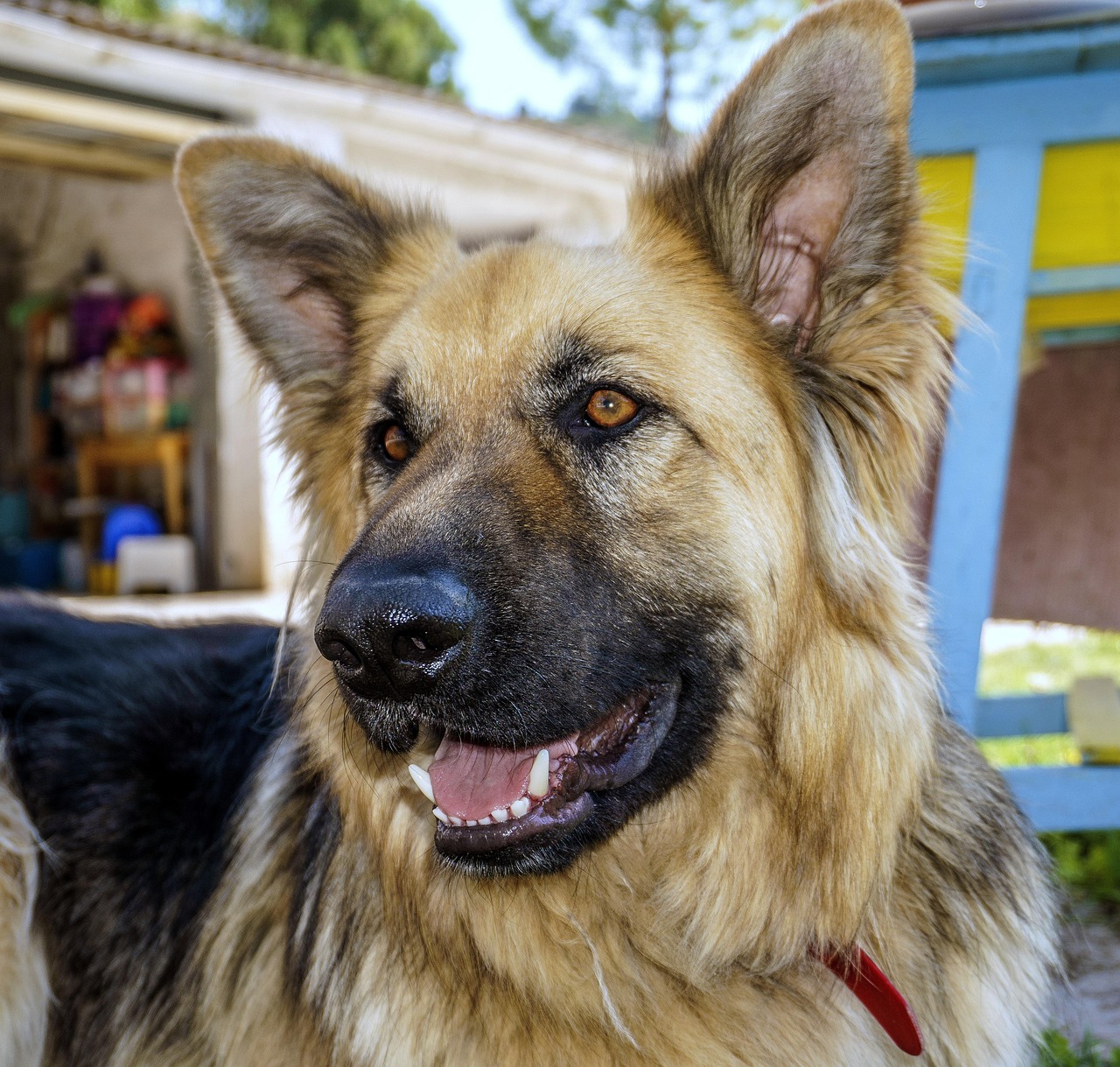

The Role of Routine in Adult Dog Socialization
Establishing a routine is essential in socializing adult dogs effectively. Routines provide structure, which helps dogs feel safe and secure in their environment. When a dog knows when and where they will encounter new experiences, they tend to respond better. You should include various aspects like daily walks, playtime, and training sessions in the schedule. This will not only reinforce good behavior but will also prepare the dog for different social situations. Begin by introducing the dog to various stimuli gradually, like other dogs, people, and different environments. It creates a foundation of familiarity, promoting a more relaxed demeanor. Consistency is key; maintaining a reliable timetable will reinforce positive behavior. Use rewards like treats or praise to encourage the dog when they exhibit good behavior in social settings. Another effective strategy is to incorporate playdates with well-behaved dogs to cultivate social skills. This controlled exposure helps build confidence, reduce anxiety, and promotes interaction. In this approach, patience and perseverance are crucial. A structured routine can significantly enhance the adult dog’s adjustment to different situations, making them a friendly companion in various social contexts.
Maintaining consistency in socialization routines can greatly affect an adult dog’s behavior and confidence. Dogs, just like humans, thrive in environments where they know what to expect. When these adult dogs become accustomed to a regular schedule, they feel more at ease and are less likely to be reactive in unfamiliar situations. An excellent method is setting specific contexts for socialization, like parks or busy streets, to familiarize the dog with diverse environments consistently. You should initiate interactions at a pace that suits the dog’s comfort level; start with fewer distractions and gradually intensify as the dog becomes more confident. Make sure to reward positive behavior with verbal praise or treats, reinforcing their choices further. Take advantage of social opportunities such as training classes or community dog events where dogs can engage safely with others. Monitor their responses closely, adjusting the routine to eliminate overwhelming situations. For example, if the dog seems anxious, reduce the number of encounters until they feel more secure. The key is finding the balance between exposure and comfort. A well-managed routine leads to a more socially competent adult dog, facilitating easier integration into various settings over time.
Creating Engaging Socialization Experiences
Socializing adult dogs involves creating a variety of stimulating activities within their routine. These experiences should be enriching, fun, and tailored to the individual dog’s needs. Simple activities like walking in different environments or visiting dog-friendly cafes can significantly contribute to their social skills. Ensure you expose them to different sights, sounds, and experiences so they learn to adapt. Regularly introduce them to new dogs, puppies, people, and other animals in controlled settings. Gradually increasing the complexity of these interactions will help the dog become familiar with more challenging scenarios. Adding obedience training sessions to the routine can also improve focus, making these outings more productive. Activities like agility training or obedience trials can enhance both the dog’s confidence and their bond with you. You can also use play sessions to incorporate learning aspects, employing toys or games that encourage social interactions. Moreover, try scheduling outings during different times of the day to expose them to various energy levels. Achieving a well-rounded socialization experience fosters a friendly and confident adult dog. This well-structured foundation ensures your pet becomes a well-adjusted member of the family and broader community.
Recognizing the importance of social cues in adult dog interactions is essential for successful socialization. Dogs communicate largely through body language, and understanding these signals can significantly help in managing their interactions. Pay attention to your dog’s posture, facial expressions, and even vocalization during encounters with other dogs or people. For example, a relaxed stance usually indicates readiness for social interaction, while a stiff body may suggest anxiety. Incorporate these observations into the routine, allowing your dog to dictate the pace of the interaction. Emphasize the importance of positive reinforcement by rewarding calm behavior with treats or praise. Gradually, as your dog learns to interpret social cues correctly, they will become more adept at navigating different scenarios. Additionally, try to minimize exposure to negative experiences that could trigger fear or aggression. In cases where your dog exhibits defensive behaviors, consider reducing their exposure until they develop greater confidence. Analyzing and adapting their learning from each encounter is critical to fostering social awareness. To ensure they thrive in any social environment, be patient and consistent. With time, adult dogs can learn to master social situations comfortably and confidently.
Incorporating Routine with Professional Training
Professional training can integrate seamlessly into your adult dog’s socialization routine. Engaging a professional trainer can help you develop a routine tailored to your dog’s specific needs. A trainer can offer invaluable insights into effective socialization techniques and how to teach commands that reinforce good behavior. Utilizing training classes can provide structured environments where adult dogs interact with peers under the supervision of a knowledgeable instructor. Regular attendance not only enhances social skills but also builds your dog’s confidence. Look for training styles that prioritize positive reinforcement, as these methods encourage friendly behavior both at home and outdoors. Skills learned in the class should be reinforced during your routine at home, ensuring consistency across all environments. Make sure to practice the commands learned in training during regular outings, helping to solidify these behaviors. Moreover, incorporating professional guidance can help identify areas where your dog may struggle, leading to personalized solutions. Training should always be a fluid part of the dog’s routine, allowing for adaptation over time. Working alongside a professional ensures that your dog’s socialization journey is fruitful and enables them to thrive in diverse social settings, making them a wonderful companion for everyone they meet.
Keeping the socialization process enjoyable for adult dogs is crucial for long-term success. An engaging routine should prioritize the dog’s joy and comfort. Activities shouldn’t feel like chores; instead, they should stimulate and excite your pet. Experiment with various activities, like visiting dog parks or participating in group training sessions, to discover what they enjoy most. Utilize toys that foster interaction with other dogs and provide a platform for play, enhancing their social skills. Make it a point to include mental stimulation in the routine; puzzle toys can stimulate their mind, alleviating stress, and promoting relaxation during new experiences. Ensure breaks are included in the routine, giving the dog a chance to recharge between stimulating activities. Allow for moments where the dog can lounge comfortably, facilitating positive associations with social settings. This balanced approach to routine ensures the dog does not feel overwhelmed. Instead of seeing socialization as daunting, through this method, they can approach it with curiosity and joy. By planning enjoyable and rewarding experiences, dogs will look forward to social activities, ultimately becoming more sociable over time, building a positive relationship with their environment.
Evaluating Progress and Adjusting Routines
Regular evaluation of your adult dog’s socialization progress is essential for refining their routine effectively. Monitoring changes in behavior during social interactions helps identify areas for improvement or success. Keep a journal detailing specific situations, like encounters with other dogs or new people. This documentation will offer guidance on how to adjust routines based on observed behavior. If your adult dog becomes anxious in certain circumstances, use this insight to reduce similar future exposures. Additionally, you can celebrate small victories, such as increased calmness or willingness to engage, reinforcing their growth. During evaluations, you may also find it beneficial to seek feedback from trainers or other experienced dog handlers. Their perspectives can provide additional strategies or changes that can facilitate further social skills development. Adjustments can include varying settings, types of social interactions, or even introducing fun new activities. The ultimate goal is to create a nurturing environment that accounts for each dog’s affordability to socialize effectively. By continuously assessing their progress and adapting their routines appropriately, you’re ensuring that your adult dog becomes the well-behaved, friendly companion you envision.
In conclusion, routines play an indispensable role in socializing adult dogs successfully. These well-structured schedules provide essential consistency and comfort that cats and dogs both thrive upon. Ensuring that routines are varied enough to include different perspectives can aid in building confidence and easing anxiety. Ensuring engagement, training, and reflection will lead to a more socially adept dog. When designed thoughtfully, a routine not only benefits your dog but also enhances the bond between you both. Observing changes during socialization and adjusting accordingly is crucial to facilitating positivity in your dog’s interactions. Through commitment to creating a balanced and enjoyable routine, you are providing your dog with the tools they need to navigate their world confidently and joyfully. Many owners overlook the significance of routine, yet it is a foundation for success. With patience and understanding, you can help your dog overcome barriers, letting them blossom into an amiable companion who feels at home in various social settings. Establishing a solid routine creates opportunities for your dog to interact positively and safely, enhancing their overall well-being. An empowered adult dog will always be a wonderful addition to any family, promoting affection and joy for all involved.