
Understanding Cat Behavior After a Limb Injury
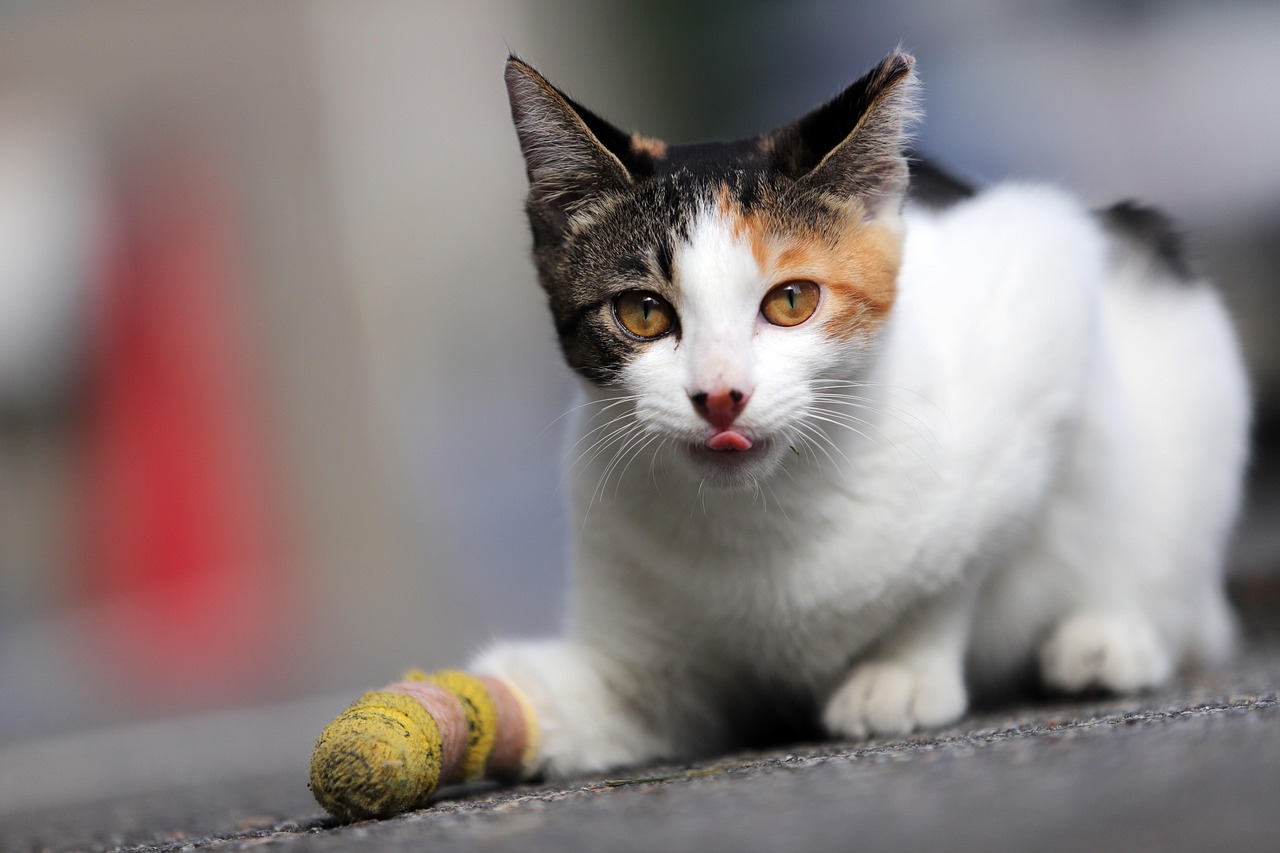
When a cat suffers from a limb injury, either a fracture or a sprain, their behavior can significantly change. Cats are generally known for their independence and aloofness, but a painful limb can alter this characteristic. The injury may cause the cat to hide, withdraw from interaction, and avoid situations they would normally embrace. This withdrawal is not just a behavioral response but also a coping mechanism to manage pain and discomfort. Owners must understand the signs of pain in cats, which can manifest as reluctance to play, decreased grooming, or aggression when approached. Recognizing these behaviors early on is crucial for ensuring the cat receives timely veterinary attention. Observing their movement can also provide insight; for instance, a cat limping or favoring one limb likely indicates an underlying issue. If you notice that your cat is avoiding jumping, excessive grooming of a specific area, or vocalizing when moving, it signifies pain or discomfort. Being attentive to these signs will greatly help in providing the necessary support and care for a recovering cat.
After a cat suffers a limb injury, the recovery process can take time. During this period, it’s common for cats to exhibit various behavioral changes. They might be more irritable or anxious, possibly due to pain or fear of movement. Providing a calm environment is essential, as stress can exacerbate their condition. Utilizing soft bedding and creating a quiet space away from daily happenings is advisable. This serene environment helps your cat feel secure while recovering. It’s also vital to limit their activity, as excessive movement might hinder healing. Encourage them to rest by using calming stimuli like soft music or pheromone diffusers. Regular check-ins can ensure that your cat is comfortable and monitored closely. Additionally, engaging in gentle interactions can help maintain your bond during this recovery. Simple activities like soft petting or gentle talking can reassure them they are not alone. Also, sprinkle in some light play with interactive toys if they seem willing. The goal during recovery is to strike a balance between encouraging movement and ensuring comfort, allowing your cat to gradually regain their strength.
Monitoring Behavioral Changes
Monitoring a cat’s behavior after a limb injury is crucial for understanding and addressing their needs effectively. Owners should keep a keen eye on any changes, as a cat in pain often acts differently than usual. Some behaviors to watch include avoidance of food or water, refusal to groom, or staying isolated in dark corners. These behavioral cues indicate that there may be a need for medical intervention. It’s also essential to document any alterations in behavior, including the length of time they spend resting versus moving. This documentation provides valuable information to the vet when discussing treatment options. Additionally, noting any reactions during normal activities, such as using the litter box or jumping onto furniture, can also offer insights. Providing toys with low-stress play interactions can be beneficial, enabling cats to engage without causing further pain. Owners should also observe how their cat interacts with other pets, as they may see changes in social behavior following the injury. Maintaining a consistent routine can help stabilize the cat’s environment, making it easier for them to adjust during recovery.
Once a cat has sustained a limb injury, their normal behavior may be compromised, requiring patience and understanding from their owners. The recovery phase can often be frustrating for the cat as well as the caregiver. Cats are creatures of habit and rely on routine for comfort. Disrupting this routine can lead to increased anxiety and stress. To help alleviate these feelings, ensure that their daily feeding and play times remain consistent. This routine provides a sense of normalcy. Owners might also want to consider the use of orthopedic bedding to provide comfort during this phase. It’s crucial to encourage gentle activity but only as permitted by the veterinarian’s advice. Simple exercises, like stretching without forcing motion, can keep your cat engaged. Always recognize the signs of stress or pain and respond to them compassionately. Building a safe indoor environment is also important; avoiding hazardous areas where the cat might further injure itself is a must. The focus should always be on minimizing stress, providing daily routine, and ensuring a peaceful recovery for the cat. With proper care, the eventual return to their normal behavior can be achieved.
Seeking Veterinary Opinion
During the healing process of a cat with a limb injury, seeking veterinary advice is paramount. Not all owners recognize when their cat’s behavior indicates additional medical needs. If observable detrimental changes persist, it’s important to consult a vet for further examination. Regular check-ups may be necessary, especially if the cat exhibits signs of pain when attempting to walk or jump. A veterinary professional can provide pain relief options and therapy alternatives to enhance recovery speed. Treatment may include medications or physical therapy focused on providing relief and strengthening the injured area. In addition, professional assessments of the behavior during recovery can help craft a more tailored healing plan. If a veterinarian suggests introducing assistive devices, such as slings or special harnesses, it can also aid in supporting movement. These recommendations are critical for reinforcing effective recovery methods. Owners should not hesitate to ask specific questions regarding their cat’s condition, progress, or behavioral observations. Understanding how to ensure a positive rehabilitation process can elevate the owner-patient relationship. The goal is always to see your feline friend resume their playful and affectionate nature as soon as possible.
Another key aspect of helping a cat after a limb injury involves creating a suitable rehabilitation plan. This plan should balance restricted movement with activities that promote healing. Engaging in therapeutic exercises can support limb strength and mobility. Consultation with a veterinarian can guide you in identifying the suitable activities tailored to your cat’s needs. Incorporating slow, supervised movement can enhance the recovery process. If the owner is unsure about physical limitations, gentle encouragement to walk short distances can foster confidence. On days when the cat feels more agile, utilizing toys to promote low-impact play can also encourage mobility while ensuring it remains enjoyable. Incorporating stretching exercises into the daily routine can also alleviate stiffness in the injured limb. Providing a diverse range of environments within your home allows the cat to explore safely without risking further injury. Pay close attention to the recovery progress to signal whether certain activities need to be adjusted. Each cat’s recovery journey will be unique, and therefore, it requires customization to promote positive healing experiences while prioritizing safety and comfort.
Reassessing Behavior Post-Recovery
After the recovery period, it is essential to reassess the cat’s behavior and ensure they have returned to normalcy. Owners should observe their cat’s activity levels, playfulness, and overall demeanor. An increase in energy or eagerness to engage in activities may indicate a successful recovery. However, any aggression or reluctance that persists may signify lingering issues. Occasionally, the trauma associated with the injury can leave a lasting impact, leading to behavioral challenges. It’s important not to assume that the cat has returned to full health simply based on physical activity. Ensuring that they feel emotionally safe, happy, and secure is pivotal. Engaging in gentle play and tentative reassurances can facilitate a more gradual transition back to normalcy. Additionally, providing regular interactions and consistent affection can also help bind the emotional connection. Continuing to maintain a familiar environment post-recovery can ease anxiety experienced during the healing period. Preparing for eventual rehabilitation adjustments can also ensure long-term health and well-being, encouraging them to thrive. Observing these shifts will help confirm that your feline friend is truly back to their playful and loving self.
In conclusion, managing the aftermath of a limb injury in a cat demands patience and attentive care. Observing significant behavioral changes is crucial, as they often indicate pain or discomfort and potential underlying health issues. Creating a supportive and low-stress environment is essential for their recovery. Seek professional veterinary input as needed and be proactive regarding behavioral changes. By developing a comprehensive rehabilitation plan, including gentle activities and consistent routines, healing can be optimized. Observing your cat’s recovery journey will foster a deeper connection, ultimately leading to a successful transition back to their normal state. Each cat will respond differently, making the owner’s role even more critical. Some might recover swiftly, while others may take longer, making empathy and understanding invaluable traits during this phase. Remember to celebrate small victories of progress, which can encourage both you and the cat throughout the recovery period. In time, with proper support and care, your beloved feline will return to their spirited selves, ready to explore and enjoy their environment once again. Being vigilant and nurturing their emotional well-being can enhance the road to their full recovery.