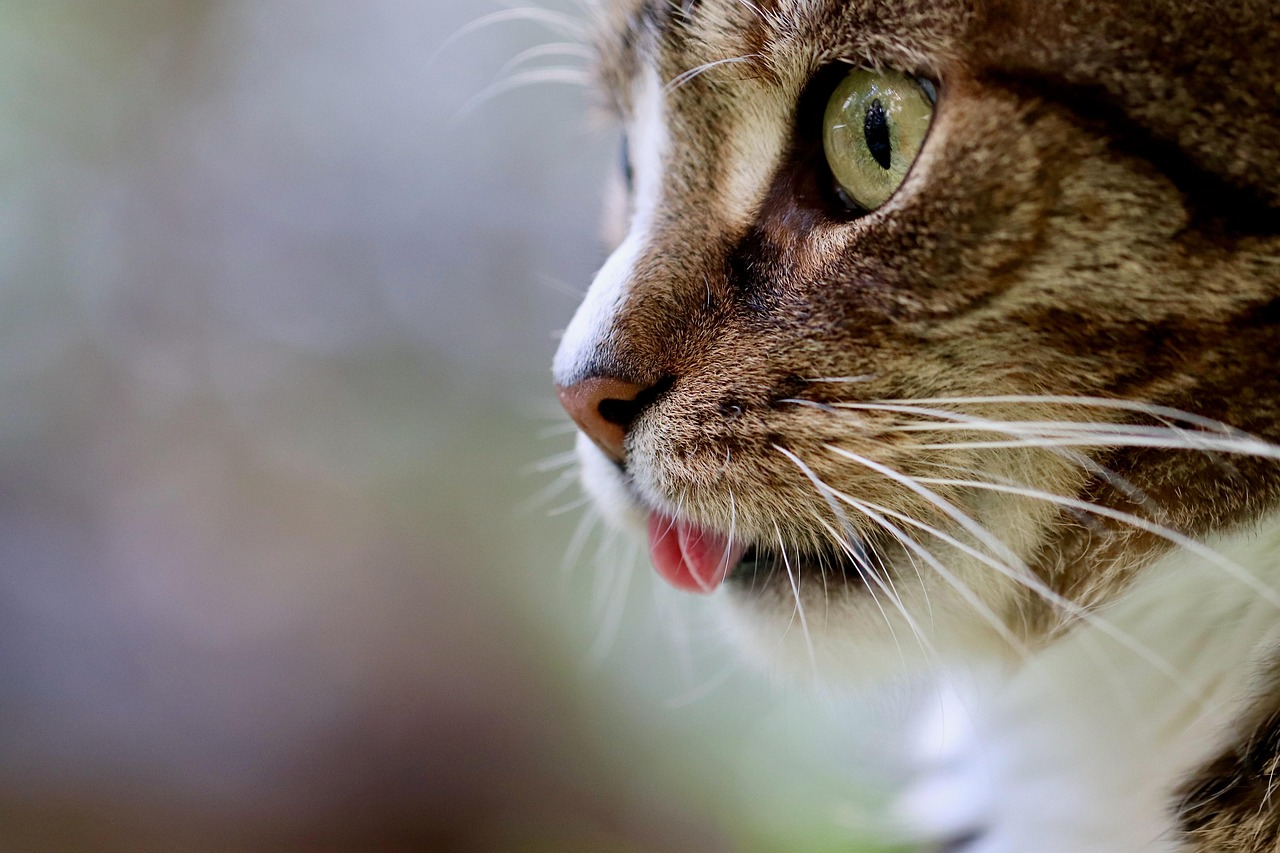

Creative Cat Photography: Workshop Ideas You Can Try Today
Capturing the playful spirit of cats can be both challenging and rewarding. If you’re considering hosting a cat photography workshop, there are essential tips to keep in mind. Start by choosing the right location; it could be a cozy indoor setting or an outdoor space where cats feel at ease. Utilize natural light as much as possible, as the soft, diffused light will reduce shadows and highlight their features perfectly. When setting up your workshop, ensure that you have a variety of props and backdrops to create interest in the images being captured. Utilize toys, natural elements, and comfortable seating areas for the cats to explore. Make sure to have multiple varied settings available to stimulate creativity. Photographers should also consider ways to interact with the cats while maintaining their comfort. Using treats or toys can help in capturing their attention while allowing them to be themselves. Incorporating short demonstrations of photography techniques will also engage participants, giving them hands-on experience. Remember, patience is key when working with felines, as it may take time to achieve stunning photographs. Embrace the moments, as each cat is unique in personality.
Understanding Cat Behavior
To successfully photograph cats, it is crucial to understand their behavior. Cats are naturally curious creatures who display their moods in subtle ways. Observing their body language can give insight into their comfort levels, guiding how to approach them. For your workshop, teach participants about recognizing signs of relaxation versus stress. A relaxed cat may purr, knead or lounge in a sunbeam, while an agitated cat will typically hide, hiss or swat. Being aware of these cues will help photographers know when to capture the moments when cats are most at ease. Additionally, employing a gentle approach during the workshop will foster a more pleasant atmosphere for both the cats and the participants. Explain how using lower angles can create engaging compositions while ensuring the cat feels safe. Regularly remind participants to be quiet and calm; loud noise can startle the cats, leading them to hide or not cooperate. Take time during the workshop to showcase common feline behaviors, giving photographers the opportunity to capture those moments spontaneously in various settings. By fostering understanding, attendees can go away feeling more confident in their abilities.
Incorporating various styles of photography can greatly enrich your workshop experience. Suggestions range from portrait photography to more creative perspectives like candid shots, showcasing the cat’s personality in natural settings. Encourage participants to experiment with various settings and angles; this can inspire creativity when aiming for unique images. A good workshop can have designated time for attendees to practice shooting, allowing them to learn through hands-on experience. Often, an emphasis on experimentation with focal lengths and settings will lead to stunning results. Teaching about different lenses and their advantages when photographing cats is another important aspect. For instance, using a macro lens can allow photographers to capture the intricate details of a cat’s eyes or whiskers. On the other hand, a zoom lens can capture images of a cat in a playful mood from a safe distance. Be certain to include some guidance on post-processing techniques that can enhance the cat portraits taken during the workshop. This addition will help attendees elevate their photos from basic snapshots to stunning works of art that reflect their creative vision.
Creating Engaging Workshops
Structuring your cat photography workshops is essential to keep participants motivated and engaged. Consider designing a schedule with diverse activities that balance learning and practice. Start with an instructional session covering gear essentials, camera settings, and lighting. This can be followed by practical sessions where attendees can observe demonstrations while taking their photos. Allow enough free time for experimentation, encouraging attendees to try various techniques discussed earlier. Provide opportunities for critique and feedback throughout the workshop, promoting a supportive environment. In assigning roles will encourage teamwork; for example, some attendees can act as tiered positions, with others photographing. Ensure you have prepared not only your materials for the workshop but also a fun and engaging atmosphere. Using music or fun themes can create a relaxed setting for both the cats and the participants. Remember to conclude the workshop with an informal showcase of participants’ best images. Sharing and celebrating everyone’s work can elevate the experience. Using social media for this part can enhance the overall experience while encouraging connections between animal lovers and amateur photographers. Follow-up communication post-workshop can also keep the momentum going.
Promoting your cat photography workshop effectively is crucial for attracting participants. Start by utilizing local classifieds and social media platforms where pet lovers tend to engage. Create visually appealing flyers showcasing adorable cat photographs that will entice audiences. Posting on platform groups focused on pet care or photography can widen your reach among potential attendees. Collaborating with local animal shelters or pet stores can also help by reaching cat enthusiasts who may be interested in improving their photography skills. Consider offering early bird discounts or group rates to encourage attendance; everyone loves a good deal. Additionally, establishing an online registration process can streamline sign-ups, making it easy for participants to join. Highlight any unique aspects of your workshop that set it apart, such as specific areas of expertise, guest speakers, or unique experiences. By articulating the value of the workshop clearly, you ensure that participants understand what they will gain. Remember to have a clear agenda ready for attendees to see how the workshop unfolds. By creating excitement around your workshop, you can attract those eager to engage and learn. Engaging promotional content is essential to achieving your goals.
Capturing the Purr-fect Shot
An essential component of cat photography workshops is demonstrating techniques to capture that perfect shot. Teach participants how to recognize the best time for photographing cats, ideally when they are most active and exploring their surroundings. Encourage them to pay attention to lighting and use reflectors when needed to illuminate the cat’s features. Composition is key; remind photographers to consider the rule of thirds when framing their shots. Understanding where to position the cat in relation to the background will make their images pop. Offer tips on capturing action shots, like using a fast shutter speed to freeze a play moment. Similarly, highlight the importance of patience, waiting for the right moment to click the shutter. Share stories of your own adventures in cat photography to inspire attendees. Remind them that sometimes the most candid shots come when the cat is unaware someone is watching. Allow time for direct practice during the workshop so each participant has multiple chances to take tailored photos. This balance of instruction and hands-on practice will leave them feeling inspired to take their cat photography skills to new heights.
After the workshop concludes, it’s important to maintain the connection with participants. Creating a follow-up plan enhances their learning experience and encourages them to utilize the skills acquired. Consider inviting attendees to join a social media group, where they can consistently share their newfound cat photos. Establish a monthly challenge for participants to encourage continuous practice. Take time to provide constructive feedback on their submitted images, which will help refine their skills further. Sending out resources, such as links to helpful articles or videos, will keep the spirit of learning alive. Also, encouraging participants to explore new ideas, styles, or genres of photography will foster artistic growth. Providing additional workshops or outings focusing on different aspects of cat photography will also be valuable. Cultivating a supportive community gives participants a space to connect, making learning more enjoyable. You might even consider organizing an exhibition or a friendly contest where members can showcase their best works. Engaging with your attendees beyond the workshop can solidify their knowledge and passion for cat photography, ensuring they leave inspired and eager to continue their photographic journey.