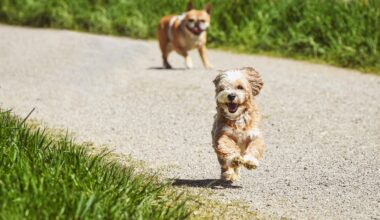

Desensitization Exercises to Reduce Separation Anxiety in Dogs
Separation anxiety is a common issue among dogs, causing stress for pets and owners alike. Effective management techniques such as desensitization and counterconditioning are essential in helping your dog feel more secure when left alone. Understanding the root causes of separation anxiety is crucial. It may stem from a lack of socialization, traumatic experiences, or simply being too attached to owners. Dogs experience emotional and physical distress when they sense their owners are about to leave. The first exercise to start with involves gradual departures. Begin by leaving your dog alone for short periods, gradually increasing the duration. This helps them adjust to being without you. Another effective method includes creating a safe space for your dog when you are gone. This space can be a comfortable crate or a room. Ensure that they associate it with positive experiences, such as treats and toys. Positive reinforcement plays a vital role in this process. Reward your dog when they exhibit calm behavior during these exercises. With consistency and patience, you can successfully reduce separation anxiety, making your dog more comfortable when left alone.
Once your dog begins to feel secure during short absences, extend this practice to longer periods. This gradual exposure helps your dog learn that you will always return. Additionally, consider using interactive toys to keep your dog engaged during your absence. Puzzle toys filled with treats can make alone time much more enjoyable. This stimulates their mind and alleviates feelings of boredom or insecurity. Avoid making a big fuss during departures and arrivals, as this can exacerbate anxiety. Keeping your departures low-key reinforces that leaving is a normal occurrence. There are also specific desensitization exercises you can implement, like playing sounds that mimic your absence, such as doorbells or footsteps. Start with lower volumes and increase gradually as your dog becomes accustomed to these sounds. The goal is to desensitize them to the triggers of your departure. Consider enrolling in a training class to gain further insight into these techniques. Professional trainers have experience with various methods and can provide individualized advice tailored to your dog’s needs. Remember that progress may be slow, but consistency is key to achieving a calmer dog during separations.
Understanding Your Dog’s Behavior
To effectively address separation anxiety, it’s essential to comprehend your dog’s specific behaviors. Watch for signs of stress when you’re preparing to leave the house. Dogs often exhibit anxiety through excessive barking, whining, destructive behavior, or even accidents indoors. By monitoring these behaviors, you can tailor your training approach. For example, if your dog tends to bark excessively, try to identify when this occurs and focus on reducing that stimulus. Some dogs become anxious when they sense you grabbing your keys or putting on your shoes. In such cases, desensitize them to these cues, pairing them with positive rewards like treats or playtime. Use a calm voice to reassure your dog, letting them know that leaving is a temporary situation. Tracking your dog’s progress is also crucial. Keeping a journal detailing their reactions can help you identify triggers and develop strategies to cope with them effectively. Gradually increase their exposure to short absences, always ensuring they feel secure and safe. This not only helps reduce anxiety but also builds their confidence when they are alone. Consistency, positive reinforcement, and observation are vital in overcoming these challenges together.
Engaging your dog in structured activities throughout the day can also help combat separation anxiety. A tired dog is often a more relaxed dog. Incorporate regular exercise, mental stimulation, and socializing with other friendly dogs. These activities can greatly reduce anxiety levels and contribute to overall well-being. Consider adjusting your dog’s daily routine to include more interactive play sessions, walks, or even training exercises. Fun activities such as fetch, agility training, or obedience work can be great opportunities for bonding. Building a strong bond with your dog through these activities enhances their trust in you. As a result, they may feel more secure when you leave. Furthermore, ensure that your dog has plenty of toys to keep them entertained while you’re away. Toys that dispense treats or require problem-solving can occupy their minds during those times. If feasible, allowing your dog to interact with a trusted neighbor or pet sitter during your absence can also ease their anxiety. Having positive experiences with other caregivers can help reinforce their independence. Creating a well-rounded daily routine is essential in helping your dog feel more confident and secure.
Seeking Professional Help
If home-based techniques do not yield significant improvements, seeking professional help may be necessary. Professional trainers or animal behaviorists are experts in addressing separation anxiety and can develop customized plans for your dog. Sometimes, behavioral issues can be complex. A professional will assess your dog’s specific situation, identify underlying causes, and create a structured program for improvement. They may recommend implementing counterconditioning techniques, which involve pairing your departures with positive experiences for your pet. For instance, when you leave, a trainer may suggest giving your dog a special treat they only receive during your absence. Additionally, medication may be prescribed by a veterinarian in more severe cases. These medications can help manage your dog’s anxiety while they undergo training and desensitization exercises. Always consult with a vet before starting any medication to ensure your dog’s health and safety. Be patient throughout this process, as overcoming separation anxiety can take time. Regular communication with a professional trainer or behaviorist can significantly accelerate your dog’s progress toward a more balanced life.
In conclusion, desensitization and counterconditioning techniques are beneficial methods to alleviate separation anxiety for both pets and their owners. Implementing gradual departures, creating safe spaces, engaging in structured activities, and rewarding calm behavior are all crucial steps in this process. Being consistent and patient is essential when working with your dog. There will be setbacks along the way; however, the commitment to these techniques can lead to long-lasting positive changes. Gathering insight from professionals can provide valuable information and personalized strategies tailored to your dog’s needs. Every dog is unique, and individual approaches will yield different results. Celebrate small victories and progress, as they are indications of improvement. Each step forward builds confidence and reduces anxiety levels further. Always remember that you are not alone in this—many dog owners experience similar challenges. By utilizing these strategies, you can foster a more secure and relaxed environment for your dog during times of separation. With time, patience, and practice, your dog can learn to feel comfortable being alone, allowing for a happier life for both of you.
Final Thoughts on Desensitization Techniques
By applying effective desensitization exercises, you’re not just training your dog; you are also nurturing a deeper relationship based on trust. As they learn that your departures are brief and that you will always return, their anxiety will diminish over time. Observing their relaxed demeanor is rewarding, and helps you enjoy your time apart with peace of mind. Remember to incorporate plenty of positive reinforcement during the training process. The bond between owner and dog grows stronger through daily engagement, understanding, and shared experiences. Whether it’s through play, walks, or puzzles, keeping them mentally and physically stimulated encourages a happier state of mind. Holistic approaches may also complement your training; consider aromatherapy, music, or calming products specifically designed for anxious pets. Choose what best suits both you and your dog’s needs and be open to trying different techniques. Persistence and adaptation are key. The journey may take time but will ultimately yield a relaxed, confident, and happy dog. Ongoing encouragement, patience, and love will lead to a successful outcome for you both.