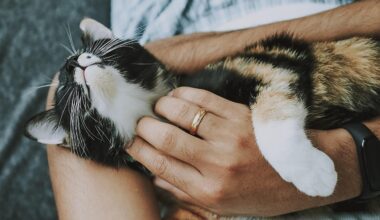

Effective Command Strategies to Soothe Anxious Cats
Understanding your cat’s anxiety triggers is a crucial first step in helping them find calm. Feline anxiety can manifest in various ways, like excessive meowing, hiding, or destructive behavior. To assist, it’s essential to observe their behavior in different situations, identifying specific stresses such as loud noises, changes in surroundings, or new people in the home. Implementing command strategies effectively requires patience and consistency. Consider using familiar words or sounds paired with soothing actions to help your cat associate them with calmness. It’s also beneficial to create a safe space where your cat can retreat when feeling anxious, filled with their favorite toys and blankets. Regularly spending quality time with your cat, using gentle commands, can reinforce trust. Gradually introducing your cat to various stimuli in controlled environments can desensitize them to common anxieties. Positive reinforcement, such as treats or affection when your cat responds well to your commands, reinforces desired behaviors. Using these techniques consistently will create a more secure environment for your feline friend.
One effective command strategy involves the “sit” command, which can instill a sense of order and reduce anxiety. Teaching your cat to sit on command reinforces discipline and allows them moments to calm down. Start in a quiet environment with minimal distractions. Begin by holding a treat above their head, encouraging them to sit to reach the treat. When the cat complies, immediately reward them with the treat and praise. Repeating this process consistently will help them associate the command with positive reinforcement. Gradually increase the number of distractions as your cat becomes proficient. Use this command during stressful situations, like visitors arriving, to help them remain settled. Additionally, the “stay” command can be highly effective. Teach your cat to stay in a designated spot during stressful times; this creates a sense of security and reduces their anxiety. Initially, reward short stays, gradually extending the time. Enrich their environment with interactive toys or puzzle feeders to engage their minds, thus distracting from anxiety triggers. Ensure to integrate these activities into their daily routine to promote consistent calmness.
Create a Relaxing Environment
Establishing a peaceful atmosphere contributes significantly to alleviating cat anxiety. Providing spaces that feel secure, such as a cozy cat bed or a secluded corner, enables your cat to retreat when feeling overwhelmed. Install calming elements in their space, such as noise-dampening materials or soft lighting, to foster relaxation. Utilize pheromone diffusers, which release calming scents that mimic cat-friendly pheromones, helping soothe their nerves. Keep their environment predictable to minimize surprises that may cause anxiety. Ensure that they have access to their litter box, food, and water conveniently, consistently referring them to these resources. Offering vertical spaces, such as shelves or cat trees, allows your cat to observe their territory from a safe vantage point. Additionally, interactive playtime is crucial; it not only engages them physically but mentally too. Equip yourself with various toys, and encourage active play. Aim for at least 15-20 minutes daily of focused play. This routine nurtures their instincts and provides necessary stimulation, reinforcing relaxation and calm without overwhelming them.
Utilizing scent-based strategies can greatly assist in soothing anxious cats. Consider integrating calming botanicals like lavender or chamomile into their environment; these scents promote tranquility and relaxation. Placing sachets with these herbs around their spaces or using cat-specific pheromone sprays can create effective calming routines. Additionally, establish a consistent feeding schedule, as predictability can reduce anxiety. Cats are creatures of habit, and regularity in meals can foster security. Incorporating gentle vocalizations, like soft humming or quiet talking, while petting them helps reinforce comfort and trust. Familiar sounds can also help drown out environmental noises that might be causing anxiety. Employing visual barriers, like curtains or screens, can help shield them from stressful stimuli. Maintaining a low-traffic area for your cat, away from household commotion, is essential. Furthermore, regularly monitoring your cat’s health is paramount; physical discomfort can exacerbate anxiety. If you notice significant behavioral changes or persistent anxiety, consulting your veterinarian for advice might be necessary. Appropriate medical treatment can efficiently address underlying issues while you continue applying calming strategies.
Incorporate Training Techniques
Effective training techniques can significantly help in managing feline anxiety. Training your cat to respond positively to commands can build their confidence, thus mitigating stress. Start with simple commands like “come” or “no,” using consistent cues and rewards. This helps your cat to learn what behaviors are acceptable and creates a structured environment. When your cat master commands, reassure them with positive reinforcement through treats or affection. Consider incorporating clicker training, a technique that provides immediate feedback to your cat, reinforcing desired behaviors with a click sound followed by a reward. Clickers are particularly useful in ensuring that your cat understands which behaviors to repeat. Gradually introduce variations in training sessions to maintain their interest, thus avoiding boredom. Do not overload them; keep training sessions brief but frequent. To ease anxiety during vet visits or travel, practice short trips with treats afterward to associate these experiences with positive outcomes. Use training sessions to gradually expose them to various environments and situations, thus helping them feel more comfortable over time, further promoting their confidence.
Another essential command strategy involves utilizing the “leave it” command to manage anxious cats. This command allows you to redirect your cat from objects or situations that may induce anxiety or stress. Begin teaching this command by placing an item your cat likes on the floor, ensuring it’s safe. When they approach it, gently say “leave it” and present a more appealing alternative, rewarding them when they comply. The repetition will reinforce the idea that ignoring anxiety triggers leads to positive outcomes. Utilizing specialized toys designed for stress relief can provide an excellent distraction. Look for toys that crinkle or make organic sounds to engage their interest. Creating scavenger hunts around your home can also divert their focus. Hide their favorite treats or toys in various safe spots to stimulate their curiosity and keep them active. Offering opportunities for your feline friend to explore and utilize their natural hunting instincts is beneficial. Ensuring they have plenty of scope to engage with their environment aids in managing overall stress levels. These carefully implemented strategies create a more serene living space for you and your cat.
Regular Vet Check-ups
Regular veterinary check-ups are crucial in identifying underlying health issues that may contribute to your cat’s anxiety. Behavioral changes can often be linked to physical pain or discomfort, necessitating a thorough examination by a professional. Schedule routine visits to monitor your cat’s health, ensuring that vaccinations and preventive treatments are current to avoid preventable conditions that can exacerbate stress. Discuss your concerns with your veterinary team to devise a tailored plan to support your cat’s behavior. Some cats may benefit from behavior-modifying medications, especially during challenging periods like moving or introducing new pets. Don’t hesitate to seek professional assistance in coping with deeply ingrained anxiety, as specialized help can offer tailored solutions. Familiarize your cat with the carrier and the journey to the vet early on; this can reduce anxiety linked to vet visits. Use treats or toys to encourage positive associations during these trips. Moreover, consider scheduling your appointments during less busy hours in clinics to avoid overcrowding that could further upset your cat. A proactive approach can immensely improve your cat’s overall well-being.