
Essential Tips for Preparing Your Dog for Outdoor Exercise
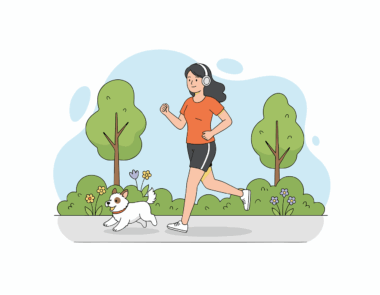
Preparing your dog for outdoor exercise is crucial to ensure their safety and enjoyment. Start by assessing your dog’s health, especially if they are young, old, or have health concerns. A visit to the veterinarian can help you determine the best exercises suited for your dog’s breed and physical condition. It’s also essential to check the weather conditions; extreme heat or cold can adversely affect your dog’s health. Make sure your dog is familiar with the area you’ll be exercising in to aid their navigation and comfort during the outdoor activities. Consider starting with shorter walks to gauge how well your dog copes and gradually increase the intensity and duration of activities. Bring along fresh water for hydration, especially during warmer days, and plan regular rest breaks. To make the experience enjoyable, use positive reinforcement techniques with treats and praise to encourage your dog. Ensure your dog is leashed correctly and consider investing in a quality harness for safety. Always clean up after your dog to maintain a pleasant environment for everyone.
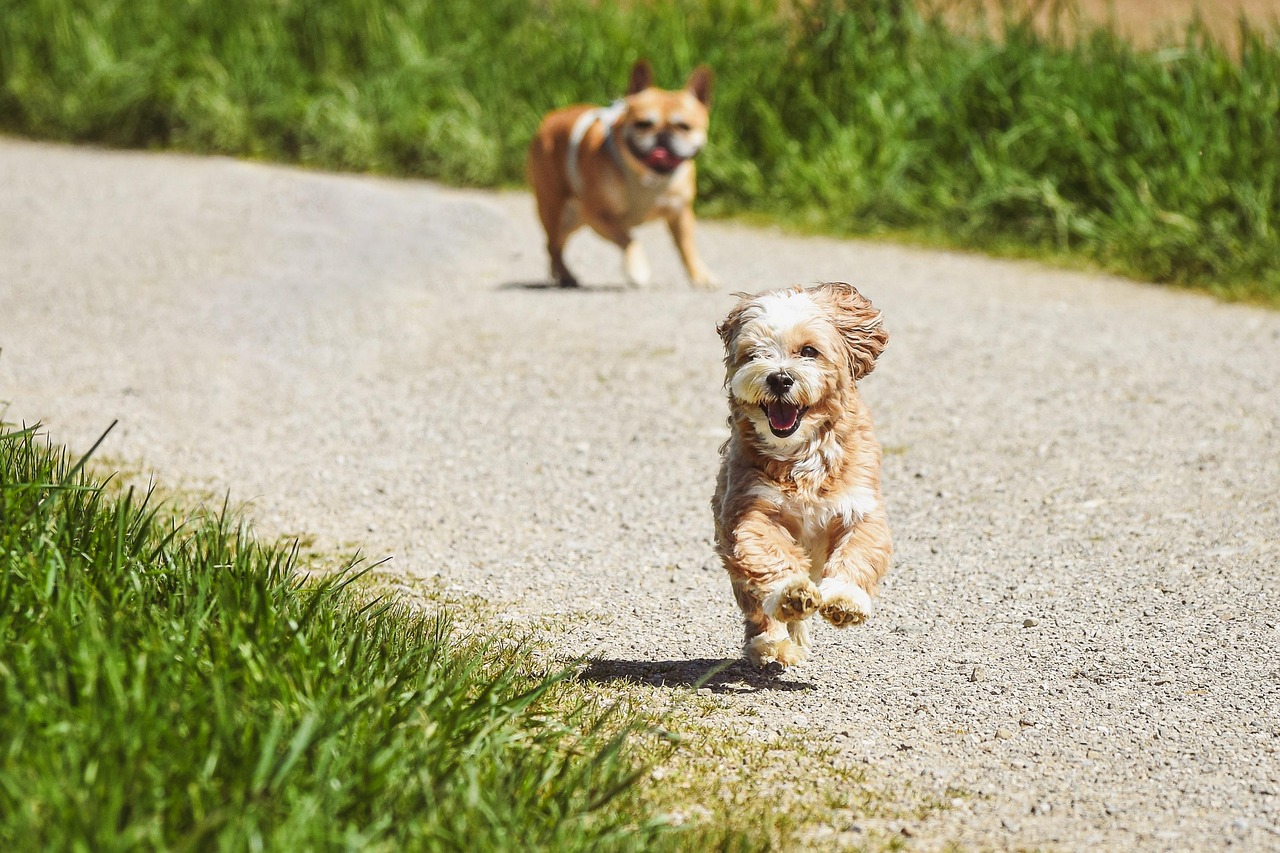
In addition to understanding your dog’s physical needs, it’s vital to introduce outdoor exercise gradually. Find local parks or designated areas that are dog-friendly for safe exercise spaces. Choose times that are less crowded, which will provide your dog with ample space to explore while reducing their anxiety around other animals and people. Use toys and games as part of your exercise routine; fetch and frisbee can provide great cardio and be quite stimulating for your dog. Monitor your dog’s energy levels throughout the exercise;; if they seem fatigued, be sure to take breaks. Always be vigilant for signs of overheating, such as excessive panting, drooling, or lethargy. In particular, flat-nosed breeds may require more frequent breaks and cooling periods. It’s also a good idea to set a regular exercise schedule that aligns with your dog’s energy levels and needs, so they come to expect regular outdoor time. Socializing with other dogs is significant too. Regular interactions help your dog to have positive experiences and learn to be friendly.
Importance of Warm-Up and Cool Down
Warming up your dog before more vigorous outdoor activities is vital for preventing injuries and ensuring a smooth workout session. Similar to humans, dogs benefit from stretching their muscles through gentle movements. Begin the warm-up with a short walk to get their blood circulating, this prepares their muscles for more intense work. Gradually introduce stretches, focusing on the legs and back. Make it an interactive activity; this not only aids in physical preparation but strengthens your bond with your dog. As the workout concludes, engage your dog in a cool-down routine. Lead a slow-paced walk for at least five to ten minutes to help their heart rate return to normal. Following this, offer them gentle stretches to relax their muscles. After both the warm-up and cool down sessions, it’s crucial to rehydrate your pet. Always carry sufficient water, and consider bringing a collapsible water bowl for convenience. These simple routines will make outdoor exercise more enjoyable, decreasing the chance of muscle strain and supporting your dog’s overall health and endurance.
Hydration plays a critical role in your dog’s exercise routine. Just like humans, dogs need to stay hydrated, especially during and after physical activities. Always carry water with you on outdoor adventures and allow your dog frequent breaks to drink. Be mindful of the weather; on hot days, dogs are more susceptible to dehydration. If exercising during summer, opt for early morning or later evening walks. Look for signs of dehydration, such as excessive panting, dry gums, and lack of energy. Post-exercise hydration is equally important to aid recovery. Although dogs may not always seek water, it’s essential to encourage them to drink. If your dog is reluctant to drink water post-exercise, consider offering them some ice cubes or a pet-safe electrolyte solution. Additionally, know that certain breeds are predisposed to heat-related illnesses, so always keep a close eye on them when exercising outdoors in warmer temperatures. Ensuring your dog gets enough fluids before, during, and after exercise can enhance their performance and keep them healthy.
Choosing the Right Gear for Your Dog
Choosing appropriate gear for your dog can greatly enhance their outdoor exercise experience. Start with a well-fitting collar and leash, ensuring they are comfortable and secure. Consider using harnesses, particularly for active or strong breeds, as these provide better control during outdoor activities. If you’re walking in the dark or in low-light areas, opt for reflective gear or LED collars to keep your dog visible. Foot protection is vital, too; surfaces like hot pavement or rough terrains can damage their paws. Invest in dog booties if you plan to exercise in harsh conditions. Additionally, if your dog has long fur, it’s essential to groom them before and after exercise, as this prevents matting and fatigue due to overheating. A good quality dog water bottle for outdoor use can make hydration easier during long walks. Lastly, think about using a dog pack for longer adventures; it allows them to carry their essentials while giving them a sense of purpose. Choosing the right gear ensures a safer and more enjoyable experience for both you and your furry friend.
Understanding your dog’s energy levels is essential in preparing them for outdoor exercise. Exercises and routines should align with your dog’s breed, age, and health. For example, high-energy breeds like Border Collies and Retrievers require more vigorous exercise compared to low-energy breeds like Bulldogs or Shih Tzus. Each dog is unique; therefore, it’s essential to tailor their outdoor activities accordingly. Also, incorporate mental exercises such as obedience training or scent games, which are just as tiring as physical ones. Recognizing when your dog is tired and ensuring they have ample rest time will help prevent overexertion, which can lead to health issues. After strenuous activities, allow your dog to have downtime at home, where they can relax and recuperate. You’ll often find they enjoy this relaxed time just as much as their outdoor adventures. Take note of how your dog reacts after each session, since a happy dog with a wagging tail is often easy to spot. Managing energy levels can optimize the benefits of outdoor exercise and lead to a more harmonious lifestyle.
Making Outdoor Exercise Fun
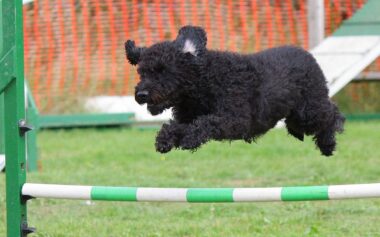
Making outdoor exercise fun for your dog is vital for maintaining their enthusiasm and commitment to physical activities. Introducing various activities such as fetch, agility courses, or hiking can keep their interest alive, blending physical exertion with fun. Familiarize your dog with toys that are suitable for outdoor use; consider durable balls or frisbees. Games like hide and seek can also stimulate both their mind and body, providing a creative break from routine walks. Change the environment regularly to expose your dog to different scents and sights, which will make every outing feel fresh and exciting. Remember to celebrate their efforts with treats and positive reinforcement to keep them motivated. Incorporate social outings to dog parks with other friendly pets, as these interactions create a robust social bond and ensure they develop good behaviors. Don’t hesitate to try new routes and explore new parks to ensure your dog has the opportunity to explore and enjoy diverse surroundings. Ultimately, providing a fun-filled outdoor experience keeps your dog active and supports their overall well-being.
Ultimately, preparing your dog for outdoor exercise is an ongoing journey that encompasses safety, health, and enjoyment. Implementing these tips will ensure your outdoor adventures are as rewarding as possible for both you and your furry friend. Always prioritize your dog’s well-being by being aware of their physical and emotional needs while exercising. With the right approach, you can build a robust exercise routine that enhances your dog’s fitness levels and overall happiness. Establish a positive rapport during these activities to foster trust, leading to better training outcomes in the future. Remember that consistency is key; establishing regular exercise schedules can help keep your dog healthy and prevent obesity. As you embark on these adventures together, embrace any challenges and celebrate your dog’s progress, regardless of how small. Maintain flexibility in your routines to adapt to changes in your dog’s health or interests. Join a local community of dog owners to share experiences and tips for outdoor activities, which can further enhance your journey together. In this way, not only do you make outdoor exercise effective, but you also build lasting memories with your four-legged companion.