
How Breed Predispositions Affect Gingivitis in Dogs
Gingivitis is a common oral health issue that affects many dogs, particularly those from specific breeds. Understanding gingivitis is crucial for dog owners who want to ensure their pets receive proper care. Certain breeds, especially small dog varieties, are more predisposed to developing gingivitis due to their dental structure. The compact arrangement of teeth can make thorough cleaning challenging, which can lead to plaque buildup. When plaque hardens into tartar, it causes inflammation of the gums, leading to gingivitis. Common signs include red, swollen gums, and bad breath. Regular dental check-ups are essential, particularly for breeds like Dachshunds and Yorkshire Terriers. The effects of gingivitis can lead to more severe dental disease, making preventative measures vital. Implementing a routine of regular brushing at home can significantly reduce the risk. Additionally, dental treats and water additives designed to reduce plaque can be beneficial. Owners should be vigilant about their dog’s dental health. Understanding the breed’s predisposition helps in taking proactive steps to prevent gingivitis and ensures long-term oral health for beloved canine companions.
Education on gingivitis signs and symptoms in dogs is critical for all pet parents, regardless of breed. Observing your dog’s dental health allows for timely interventions. Regular check-ups at the veterinarian can help detect early signs of gum disease before it progresses to more serious issues. Identifying gingivitis promptly can save your dog from suffering and expensive treatments. If you notice any changes in your dog’s breath or oral hygiene, consult your vet immediately. Dental cleanings performed by professionals are key to managing gingivitis effectively. During these visits, your veterinarian can identify plaque buildup and any underlying risks. This preventative care can be especially important for breeds predisposed to oral diseases. It is advisable to inquire about dental care options and products from your veterinarian. They can recommend suitable dental chews or specialized food that promotes oral health. The right tools for at-home dental care can be easily acquired. Regular care routines can lead to better dental outcomes for your dog. Ignoring dental health can lead to more severe systemic issues, so stay proactive in maintaining your canine’s oral hygiene.
Identifying Risk Factors of Gingivitis
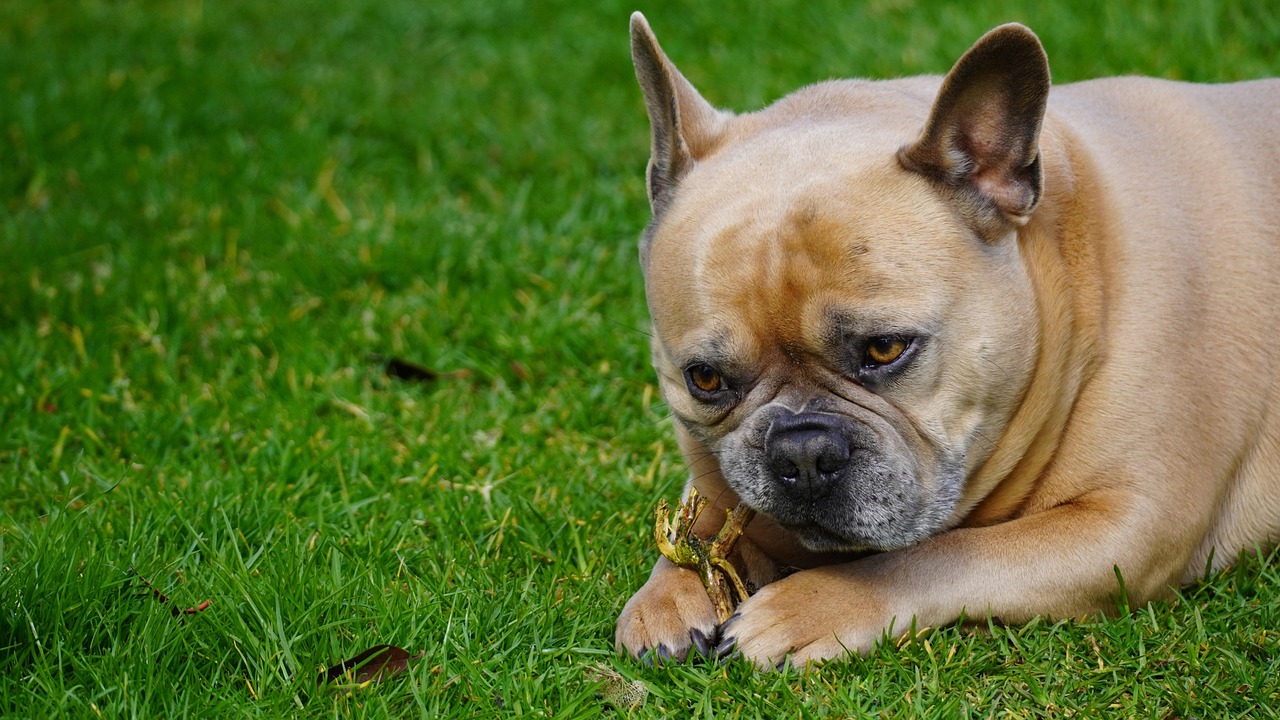
Dog breeds differ significantly in dental health predispositions, making it important to be aware of these variations. Breeds with shorter snouts, for instance, often develop dental overcrowding, as seen in Bulldogs and Pugs. These structural characteristics make effective cleaning difficult. Neglecting dental hygiene in such breeds can accelerate the onset of gingivitis. On the other hand, dogs with longer muzzles, like Greyhounds, often face a lesser risk. Nevertheless, they are not immune to gingivitis altogether. Aside from breed, age, and general health factors also play significant roles in gingivitis susceptibility. Older dogs frequently experience dental issues due to wear and tear over time. Moreover, weakened immune systems or pre-existing health conditions can exacerbate dental problems. The lifestyle of the dog is another considerable factor. Dogs that consume soft foods may develop plaque more quickly than those with hard foods. Regular veterinary assessments can identify these risk factors. Ultimately, every dog needs tailored dental care based on individual needs and potential risk factors. Comprehensive understanding promotes better health outcomes through targeted, effective care strategies.
Providing proactive dental care at home is vital for all dog breeds, particularly those susceptible to gingivitis. Establishing a consistent at-home dental routine can minimize plaque buildup significantly. Daily brushing is the gold standard, but even a few times a week provides benefits. Use a dog-specific toothbrush and toothpaste to ensure safety and effectiveness. Engaging your pet in the process makes dental hygiene a positive experience. Begin slowly, allowing your dog to acclimate to the taste of the toothpaste and feel of the brush. After brushing, consider dental toys or chews for additional cleaning benefits. These products help mechanically clean teeth as the dog chews, further reducing plaque. Water additives can also be an effective tool to encourage dental health. These solutions aid in controlling bacteria and plaque without the need for rigorous brushing. Linking dental hygiene to enjoyable activities helps foster a positive attitude towards brushing and cleaning. Additionally, placing emphasis on dental health during regular vet visits reinforces its importance. Ultimately, good oral health translates to a happier, healthier dog and can prevent serious periodontal diseases.
Diet and Gingivitis Risk
The impact of diet on a dog’s dental health cannot be understated when discussing gingivitis. Feeding your dog a balanced diet goes beyond nutrition; it also relates to oral health. Certain dog foods can contribute to plaque and tartar buildup. Soft, wet kibble tends to stick to teeth, increasing the risk of gum disease in predisposed breeds. Conversely, dry kibble can have a scraping effect on teeth, aiding in plaque removal. Choosing high-quality food designed for dental health is essential. These specially formulated diets include specific nutrients that benefit teeth and gums. Furthermore, consider supplementing their diet with dental treats. These treats are specifically designed to reduce plaque buildup and promote dental hygiene. They can help keep your dog’s teeth clean while providing a tasty reward. Always be cautious with the quantity to avoid excessive caloric intake. Consulting the veterinarian regarding dietary needs is imperative, particularly for breeds at risk. A well-rounded dietary approach not only nourishes your dog but also significantly enhances dental health, ultimately reducing the chances of gingivitis and other related diseases.
Older dogs often experience complications related to gingivitis due to the natural aging process. Understanding that senior dogs can be more susceptible is critical for their care. Their gum tissue often becomes thinner and less resilient, increasing the risk of inflammation. Additionally, older dogs may have other health issues that exacerbate their dental problems. Regular dental cleanings by a veterinarian become essential as dogs age. Furthermore, older dogs may struggle with dental hygiene due to arthritis or mobility limitations, making brushing challenging. Owners should consider alternative dental care solutions if their dog cannot withstand traditional brushing methods. For instance, dental wipes can be a useful alternative for cleaning the teeth and gums. Incorporating preventive care measures should be a priority as dogs age, as untreated gingivitis can lead to tooth loss and other systemic health issues. Owners must stay vigilant, looking out for signs such as decreased appetite or sensitivity while eating. Focused attention to senior dogs’ dental needs can contribute to prolonged good health and overall well-being. Adjustments might be necessary to ensure their dental care regimen remains effective with advancing age.
The Role of Professional Care
Professional veterinary care forms the backbone of any effective dental health plan for dogs. Routine check-ups can save your dog from painful conditions related to gingivitis. Your veterinarian will assess gum health and provide professional cleanings that remove tartar buildup effectively. These cleanings are crucial as at-home care sometimes isn’t enough, especially for predisposed breeds. Regular examinations can also provide valuable insights into your dog’s overall health. During these appointments, your veterinarian can identify potential underlying health issues that may contribute to gingivitis. Additionally, they may recommend dental x-rays to examine areas hidden beneath the gum line. Preventative treatments such as dental sealants may also be suggested to help reduce plaque accumulation. Ultimately, building a relationship with your veterinarian facilitates better long-term health strategies for dental hygiene. Dog owners should not overlook the significance of thorough examinations. Being proactive in your dog’s dental care helps avoid invasive procedures in the future. An informed approach goes a long way towards maintaining optimal oral health and overall well-being in your pet.
The overarching takeaway regarding gingivitis in dogs is the importance of comprehensive oral care tailored to individual needs. Owners must acknowledge their dog’s dental health as a crucial aspect of overall well-being. Fostering early detection and preventive measures can help combat the risks associated with gingivitis. Vigilant owners will be able to identify warning signs and take appropriate action. Awareness of breed-related predispositions and age factors leads to a more personalized care plan. Furthermore, feeding balanced diets and providing suitable dental care products are proactive steps toward reducing the likelihood of gingivitis. Regular veterinary consultations will enhance a dog’s dental routine while allowing for necessary adjustments. Educating pet owners about gingivitis reinforces the idea that prevention is key. Proactive measures lead to positive dental health and enhance life quality for dogs. When owners invest time in learning about their dog’s dental needs, it becomes easier to maintain a healthy mouth and prevent issues before they surface. By implementing these comprehensive strategies, dogs will enjoy happier, healthier lives free from the burdens of gingivitis.