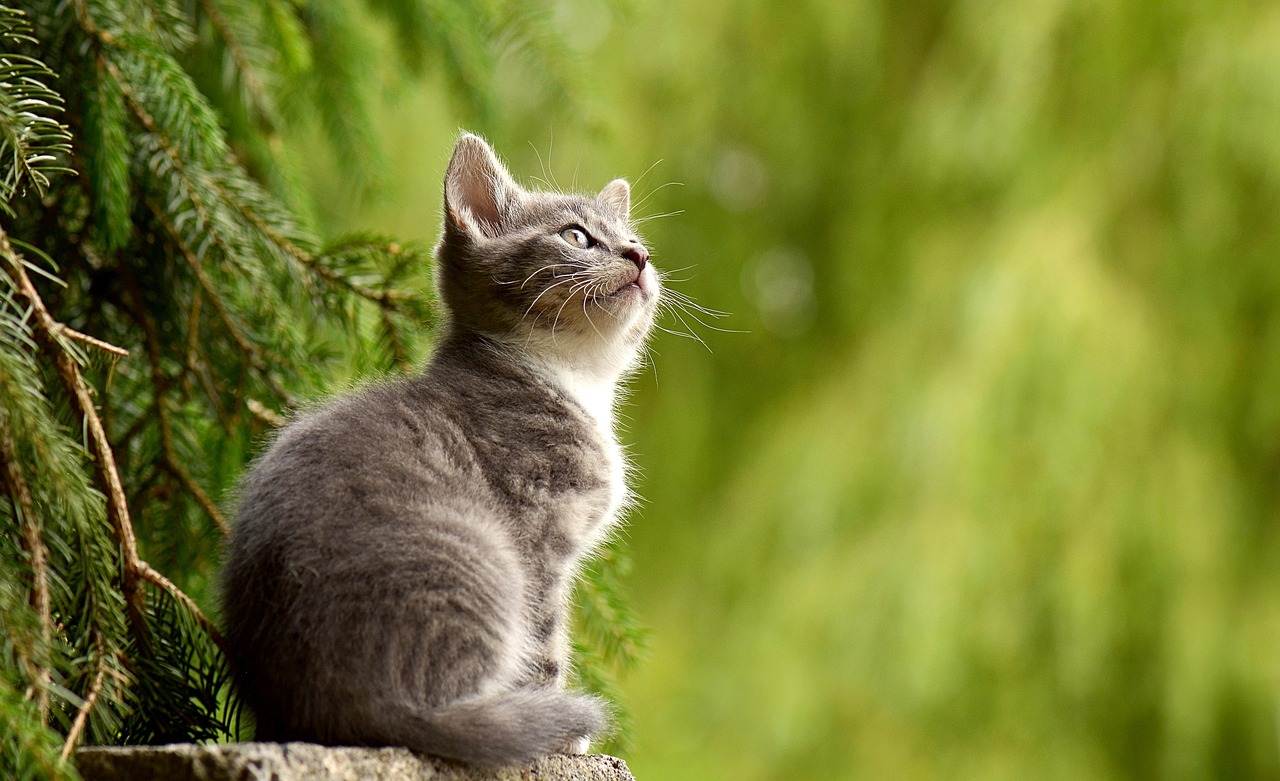

How Early Life Experiences Shape Adult Cat Personality
The personality of an adult cat is often influenced by its early life experiences. Kittens undergo significant developmental stages during their first few months, where they learn vital social skills and behaviors. Early interactions with mother cats, littermates, and humans can profoundly impact their personality traits, shaping them into either friendly or fearful adults. Stressful experiences during this critical period may lead to a timid or aggressive demeanor in adulthood. For instance, kittens raised in isolation may struggle with socialization and often exhibit fearful behaviors later in life. Conversely, those exposed to varied environments and gentle handling tend to grow into well-adjusted, affectionate companions. The importance of a nurturing environment for kittens cannot be overstated. Understanding this can guide prospective cat owners in creating a positive experience during a cat’s formative months. By fostering early socialization through play and positive reinforcement, the likelihood of developing a balanced adult personality is increased. In summary, ensuring a safe and stimulating environment for kittens significantly shapes their personality and behavior as they transition into adulthood.
During the first few weeks, kittens undergo critical sensory development. They begin to explore their surroundings, refining their ability to respond to different stimuli. Early interactions impact their level of comfort with various sounds, sights, and even human interactions. Cats that experience a rich array of stimuli in their kittenhood generally become more adaptable to new environments as adults. Such adaptability is essential for integrating into new families or coping with changes in their surroundings. On the flip side, kittens that encounter loud noises or negative experiences may develop anxiety towards certain stimuli. For example, a kitten exposed to harsh voices may grow into an adult that shies away from human contact. Therefore, fostering a positive and tranquil environment is crucial. Implementing gentle play, treating them with affection, and ensuring they feel secure helps build confidence in kittens. This confidence translates into a well-rounded adult cat that is less prone to stress in unfamiliar situations. In contrast, a lack of socialization can lead to behavioral issues, underscoring the significance of their early life experiences.
The Role of Maternal Influence
The influence of a mother cat is paramount during the early stages of a kitten’s life. Maternal care involves not only nourishment but also the essential skills for socialization. A mother cat teaches her kittens using various cues, such as vocalizations, body language, and even play fighting. This learning lays the groundwork for future interactions with other cats and humans. Kittens that receive adequate maternal affection and guidance usually develop healthier social skills. Contrastingly, those that are orphaned or lack proper maternal care face challenges later in life. Without the necessary social cues from their mother, these kittens may become overly aggressive or excessively timid. They may struggle in situations that require social skills or the ability to communicate effectively with other animals. Thus, maternal influence is vital for emotional stability and proper development. Providing a kitten with a stable and nurturing maternal figure contributes significantly to its ability to relate to its environment and other beings. Ultimately, the initial bonding experience with their mother shapes the emotional framework underpinning their adult interactions.
Another vital aspect of a kitten’s early life is interaction with its littermates. Littermates provide opportunities for essential socialization through play. Play behavior among siblings helps kittens learn valuable communication skills, including how to establish boundaries, control their biting, and read body language. These interactions directly influence their behavioral development. Social play teaches kittens how to engage in friendly behaviors and avoid aggression. Kittens without littermates often miss out on these crucial lessons, making it challenging for them to interact well with other cats or pets. Additionally, play helps in developing physical coordination and confidence. Kittens learn to strategize during playtime, enhancing their ability to adapt to unforeseen circumstances. Moreover, healthy competition among littermates promotes resilience and the understanding of social hierarchies. A kitten raised without siblings may lean towards dominant behavior, as it lacks the experience of cooperative play. As a result, ensuring kittens are raised with their littermates or in stimulating environments can foster balanced emotional and social skills necessary for adulthood.
Impact of Early Trauma
Early traumatic experiences can lead to deep-seated behavioral issues that manifest in adult cats. Trauma occurring in the golden window of socialization affects personality development significantly. Cats who have been subjected to abuse, neglect, or harsh environments frequently display signs of fear and anxiety. These behaviors can be detrimental to their overall well-being and quality of life. For instance, a cat that experienced harsh treatment may show aggression when approached by humans, born out of fear. Similarly, a kitten raised in a chaotic household may develop heightened anxiety that persists into adulthood. Negative experiences hinder their ability to adapt to new environments, affecting bonding with potential pet owners. However, rehabilitation is possible through patience and proper techniques. Gradual socialization and positive reinforcement can help ease anxiety and build trust. Providing a quiet, safe space for recovery from past trauma is paramount. Cats can find stability and comfort in their surroundings, gradually learning to trust again. In this way, early trauma serves as a poignant reminder of the lasting impact of a kitten’s formative experiences on its future personality.
The environment within the home plays a pivotal role in shaping a cat’s adult personality too. Kittens raised in stimulating and safe environments generally demonstrate balanced behaviors. Such environments provide regular interaction, toys for play, and opportunities for mental enrichment. Conversely, a lack of mental and physical stimulation can lead to boredom and undesirable behaviors. Bored kittens may resort to chewing furniture, excessive vocalization, or even aggression as a means to express frustration. Addressing these needs is vital for their development. For example, enriching their environment with scratching posts, climbing structures, and interactive toys fosters healthy physical and mental growth. Furthermore, regular human interaction and structured playtime help reinforce their social skills. Providing a variety of experiences during kittenhood lays the foundation for adaptability and confidence. Once properly stimulated, cats are more likely to flourish as balanced individuals, able to engage positively with humans and other pets. Ensuring that a kitten’s environment is filled with diverse activities and experiences fosters their development into well-adjusted adults.
Conclusion
In conclusion, the influence of early life experiences on adult cat personality cannot be overstated. From maternal care to sibling interactions, each aspect plays a crucial role in shaping a cat’s behavior and adaptability. Understanding the importance of a nurturing environment and positive experiences provides a framework for prospective cat owners. By emphasizing socialization, play, and exposure to diverse stimuli, caregivers can help ensure that their cats grow into well-rounded adults. Early interventions can mitigate potential behavioral issues linked to trauma or lack of socialization. Furthermore, creating an enriched environment enhances a cat’s self-esteem, making adjustments easier as they enter adulthood. As awareness grows about the significance of early experiences, it paves the way for better animal welfare practices. Recognizing the lasting effects of kittenhood enriches our relationship with these beloved pets. By nurturing their early life experiences, we can contribute to their emotional and behavioral well-being throughout their lives. Responsible pet ownership entails providing the right foundation from the outset, shaping an adult cat that embodies love, companionship, and joy.
In exploring cat psychology, it becomes increasingly evident how early life experiences are integral to personality development. Understanding these foundational aspects not only enhances our knowledge but also enriches our interactions with our feline friends. These insights emphasize the significance of mindful breeding and adoption practices that prioritize the well-being of the kittens. By focusing on the behaviors demonstrated during this formative period, we can commit to ensuring that cats receive the best start possible. This understanding also informs potential cat owners about the responsibilities they hold in shaping their pet’s life. Encouraging early socialization, kindness, nurturing, and a safe environment ultimately guides these animals toward becoming confident and well-adjusted companions. Thus, the exploration of early experiences in relation to personality speaks volumes about responsible practices in pet ownership and care. Creating a safe space, both emotionally and physically, helps stress the importance of stability for these creatures. Knowing much can be done to influence their futures from the moment they are born fosters a deeper appreciation for their unique personalities. Proper engagement and care can pave the way for happier and healthier companionship.