
How Identification Tags Protect Your Dog in Emergencies
Identification tags are essential tools for ensuring dog safety and minimizing the risk posed to our furry friends during emergencies. When your dog wears an identification tag, immediate information is accessible about the owner, enabling a fast return home. This simple, small piece of metal around a dog’s neck can make a significant difference in stressful situations. If your dog becomes lost, well-designed tags can convey vital information, such as your contact number and address. Furthermore, they can also provide details about any allergies or medical conditions that your dog may have, which could be critical in emergencies. The presence of identification tags not only aids in recovery but also helps anyone who finds your lost dog to act quickly. Moreover, consider adding a microchip along with visible tags for added security. While tags may fall off or be removed, microchips provide a permanent means of identification that cannot be lost. This multi-layered approach to pet safety maximizes your chances of a successful reunion with your beloved companion. By employing these methods, dog owners can take prudent precautions to protect their pets in all circumstances.
In case of a lost dog, time is of the essence. The quicker a dog can be reunited with its owner, the better their chances of staying safe and secure. Identification tags serve as a direct connection between the finder and you, fostering trust and communication. If found by a stranger, a tag alerts them to check for the owner’s information quickly. This reduces the time spent waiting for potentially unsafe conditions to pass, especially in busy areas. In addition to standard tags, you might consider utilizing QR codes on tags. These codes can link to a dedicated webpage that holds all critical information about your dog, from health records to dietary needs. Moreover, it’s wise to regularly check that the information displayed on your tag is current and accurate. Outdated contact details can lead to frustrating situations where your dog remains lost for extended periods. Engaging with your community further increases the likelihood of a happy ending. Share details of your dog on social media and neighborhood apps. This proactive approach to pet safety can save invaluable time during crises.
The Importance of Visibility and Readability on Tags
Not all identification tags are created equal. It’s essential that the information on tags is readable and visible to anyone who encounters your dog. Use clear fonts and high-contrast colors on tags to maximize visibility. The goal is to make it easy for others to read the tag quickly without any frustration. Tags should be made of durable materials to withstand the wear and tear of daily activities. Metal tags are often preferred as they are sturdier than plastic ones. Furthermore, consider the size of the tag itself. It should not be too large that it becomes cumbersome for your pet, nor too small that it gets lost easily. Including your dog’s name on the tag might help soothe them if they’re in distress, providing a familiar sound. Keep it concise but informative with essential details like your phone number. Think about using both sides of the tag effectively. One side can hold the owner’s information, while the other can list crucial medical data about your pet. This combination ensures that all necessary information is readily available.
Identification tags also play a role in pet manners, as they help ensure a responsible dog ownership image. Displaying tags indicates that you are a conscientious owner who takes your pet’s well-being seriously. People are more likely to assist or approach your dog if there’s readily available information. In parks or public areas, the presence of tags should minimize concerns from other pet owners or passersby about safety or aggression. Tags symbolize that the dog is loved and cared for. This can promote a friendly interaction or encourage others to adopt similar safety practices. Moreover, tags allow for some level of identification in case of an emergency at a veterinary clinic. If your dog ends up in a clinic without you, a tag can provide vital owner information quickly, allowing for appropriate care to be administered without delay. Overall, these small yet powerful tools contribute positively to a dog’s social interactions while ensuring safety and peace of mind for owners. Remember that correctly fitted and securely placed tags are just as important in promoting their effectiveness.
Choosing the Right Tag for Your Dog
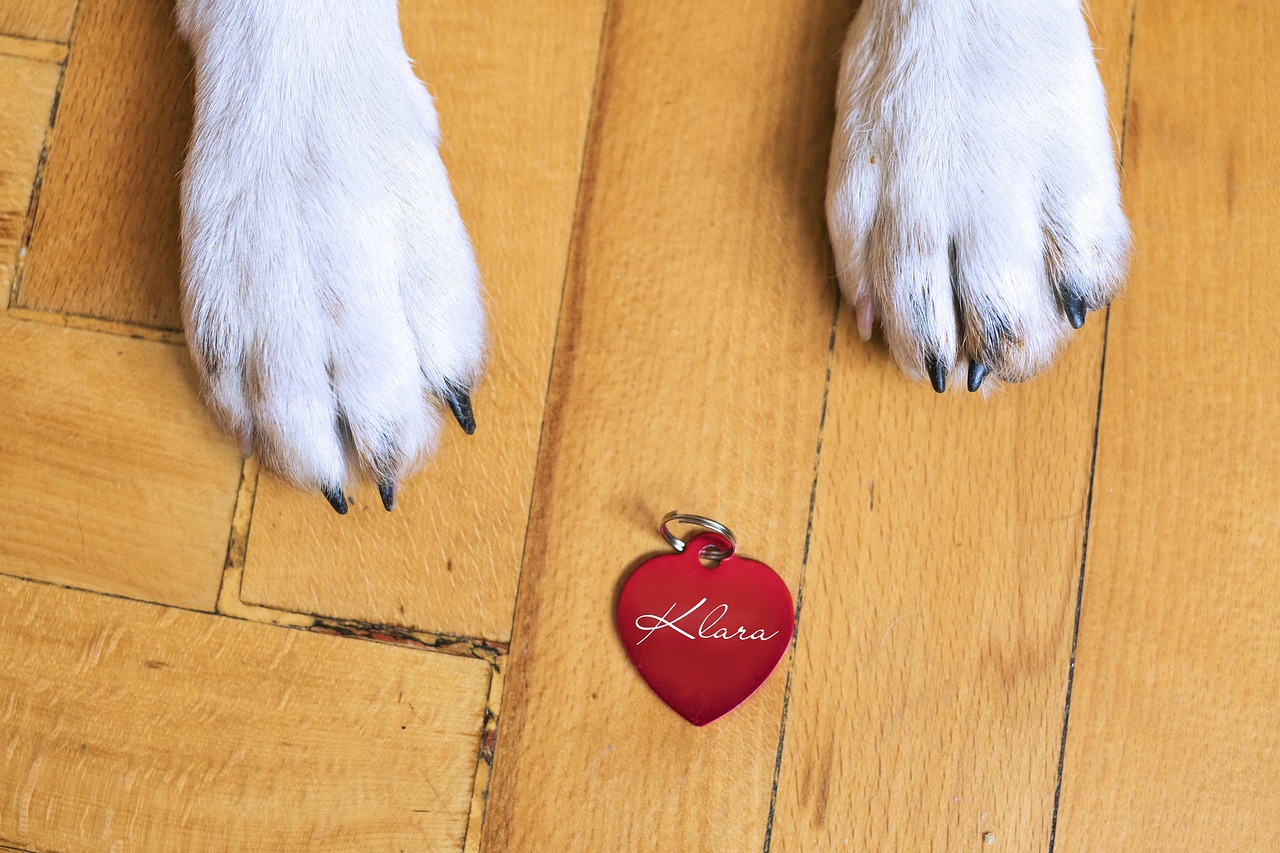
When selecting an identification tag for your dog, it’s crucial to choose one that mirrors their personality and style while being functional. Tags come in various shapes, sizes, and materials, allowing you to find one that fits your dog’s breed and demeanor perfectly. Some owners opt for traditional round or rectangular designs, while others prefer trendy shapes like bones or hearts. Personalization options also abound; many pet owners choose to engrave their dog’s name and vital details directly onto the tag. Additionally, themes can convey personality—such as playful, elegant, or adventurous designs. Furthermore, pet stores and online shops, like Chewy, offer customizable tags so you can get something unique. Adorned with bright colors, patterns, or reflective materials, tags can also provide safety during evening walks. Ensure you consider the weight of the tag to avoid discomfort for your pet. Dogs that are sensitive may dislike heavy tags, suggesting lighter alternatives might suit them better. The right tag can be a statement piece while ensuring their safety, making it important to find that perfect balance.
Another factor to weigh when choosing an identification tag for your dog is its attachment mechanism. The method of attaching the tag to your dog’s collar can significantly influence its security and durability. Look for tags that use secure rings or clasps to prevent them from falling off during playtime or outdoor excursions. Many tags are designed to easily slide onto collars, ensuring they remain firmly attached without the hassle of losing or misplacing them. You can also consider utilizing breakaway collars equipped with safety features. These collars automatically detach under pressure, helping prevent choking or injury. Such considerations are paramount for active pets prone to adventurous situations. Additionally, ensure that the collar itself fits properly, as an ill-fitting collar can lead to tag loss as well. Check periodically to confirm the fittings are tight yet comfortable, as dogs grow or change shape over time. Lastly, always remember to monitor tags and collars for signs of wear and replace them when needed. Keeping your dog’s tag and collar in top shape is crucial in preserving their identity in emergencies.
Final Thoughts on Emergency Preparedness
In conclusion, identification tags are more than a mere accessory for your dog; they are integral to ensuring their safety and well-being. While having a collar and tag is essential, combining it with other safety measures provides a comprehensive approach to pet security. Consider additional tools like GPS tracking devices for extra peace of mind. While these technologies can offer real-time location information, they should not replace the necessity of having a tag. In emergencies, a tag remains the quickest way for a finder to return your dog. Furthermore, it’s also a good idea to educate friends, family, and your dog-walking community on what to do if they find a lost dog. Ensuring that others are informed can expedite your dog’s return. Don’t forget to carry a recent photo of your dog in your phone for sharing on social media in case of emergencies. Documentation of your pet’s behavior can help create a comprehensive picture that may assist others in recognizing your pet. Ultimately, being proactive can lead to reunions and reinforce a secure environment for your dog.
Taking the time to ensure your dog has proper identification tags is an investment in their future safety and your peace of mind. Maintaining tags requires vigilance in updating any changes in information as your dog grows or as you move. Making sure your pet is identified properly tends to prevent stressful situations while also displaying responsible pet ownership. When everyone participates in proper identification and safety procedures, it concludes in a more secure community for pets and their owners alike. Daily walks, visits to dog parks, or even a quick trip to the vet can lead to unexpected situations. A dog’s tag holds the key to arriving home safely through these unpredictable experiences. It’s a small choice that can create enormous effects and positive outcomes. For anyone considering getting a dog, investing in identification tags should be a priority in the decision-making process. Not only do they provide essential information, but they also help cultivate peace of mind for owners who want to foster secure environments. Provide your pet with the love and care they deserve by ensuring they are equipped with essential identification. Tags and additional identification measures create a bond of safety and support that is invaluable.