
How Socialization Affects Grooming Preferences in Different Cat Breeds
Understanding socialization in cats is crucial for their grooming habits and preferences. Socialization involves exposing a cat to various experiences, sounds, people, and other animals. Cats that undergo thorough socialization from an early age are generally more adaptable to new situations and can experience reduced stress levels during grooming. Furthermore, these well-socialized cats are often more trusting of their owners and are more accepting of grooming tools. Various breeds exhibit different behaviors toward social interactions and grooming practices due to their inherent traits. For instance, breeds like Siamese and Maine Coons tend to appreciate human interaction and may be more docile and receptive during grooming sessions. In contrast, some breeds, such as Persians, may require gradual acclimatization to grooming routines. Factors that influence social grooming behaviors include genetics, early environmental exposures, and experiences with humans. Ultimately, addressing both socialization and grooming preferences will lead to healthier and happier feline companions. Effective socialization prepares cats for grooming experiences, significantly easing the process for both the cat and the owner. Following the proper strategies helps crate a pleasant grooming experience while maintaining your cat’s physical condition.
Impact of Breed on Socialization
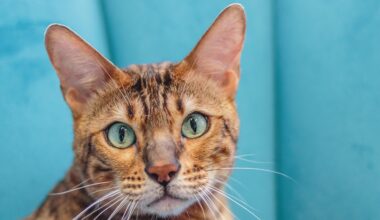
Different cat breeds can exhibit a range of socialization traits that directly affect their grooming preferences. For example, breeds known for their sociable nature, such as Ragdolls and Bengals, usually grow up accustomed to regular interactions and are more likely to accept grooming from owners. On the other hand, more independent breeds, such as the Abyssinian, may be more hesitant when introduced to grooming tools and processes. This variation in sociability can be observed in their responses to not only grooming but also to various stimuli in their environments. Socialization plays a crucial role in shaping their behavior toward grooming, as cats less exposed to human interaction may find grooming distressing. As such, it’s essential to implement gradual introductions to both grooming tools and processes, allowing cats to familiarize themselves with each aspect of the grooming routine. Using a gentle approach helps to establish trust, increasing the likelihood of a successful grooming experience. Understanding each breed’s social tendencies allows cat owners to create tailored grooming experiences that consider their specific character traits, ensuring both safety and comfort for the feline friend.
Another important aspect of socialization is the environment in which a cat is raised. Kittens that grow up in stimulating environments with consistent human contact develop positive associations with touch, grooming, and handling. This upbringing fosters resilience against potential stressors associated with grooming later in life. In contrast, kittens raised in isolation may become fearful, leading to challenging experiences during grooming due to their distrust of new interactions or experiences. During the formative weeks between two and nine weeks of age, socialization is essential for developing positive attitudes toward various activities, including grooming. Social behaviors learned during this critical period influence their shallowness or depth of comfort during grooming sessions. Engaging with toys, people, and other animals helps build their confidence, which positively affects their grooming preferences. Owners should expose their kittens to a variety of experiences and gentle handling before introducing grooming tools at an appropriate age. Proper guidance during this critical phase encourages a more relaxed, prepared adult cat that is eager to comply with grooming routines. Ultimately, the right environmental factors play an essential role in shaping the grooming habits of various feline breeds.
Understanding Behavioral Differences
Notably, behavioral differences in cat breeds are often an extension of their socialization experiences. Breeds like the Scottish Fold can display highly affectionate behavior due to their exposure to human interactions, which encourages calmness during grooming. This strong bond with owners often translates to their comfort when grooming. Conversely, breeds such as the Persian may exhibit a higher resistance to handling due to their less interactive nature. Socialized cats can develop adaptive coping mechanisms when dealing with potentially stressful grooming scenarios. Recognizing behavioral tendencies related to socialization allows owners to preemptively adapt their grooming routines to cater to the cat’s comfort zone. Frequently engaging in social activities with them can help prepare them for grooming, ultimately establishing trust. Many owners find that simple touch or play interactions prior to grooming create a sense of security, further enhancing their natural behavior. Behavioral nuances can also extend to how different breeds react to various grooming techniques. Observing and understanding these subtle preferences from individual grooming styles can lead to more effective techniques tailored specifically to each cat’s unique behavior.
Moreover, the role of grooming in cats extends beyond hygiene, affecting their emotional state. Cats that are well-socialized engage in mutual grooming, which reinforces social bonds between them and their owners. This interaction lowers stress levels, contributing to positive emotional health. For breeds that enjoy frequent social engagement, grooming can become an enjoyable experience rather than just a necessary task. This positive emotional connection fosters a rhythm of grooming, presenting it as a bonding opportunity rather than a chore. As cats respond to consistent grooming, particularly when introduced as kittens, they are likely to develop a preference for specific tools or techniques that boost their feelings of trust and security. Conversely, less socialized cats may experience anxiety and discomfort during grooming. Understanding individual emotional responses encourages owners to take the time necessary to build trust through gentle handling and praise. Encouraging mutual grooming in multi-cat households also emphasizes the benefits of social interactions that carry over to personal grooming experiences. By cultivating an environment where grooming is associated with positive affirmation, cat owners can significantly improve their pets’ approach to grooming activities, ensuring smoother and more effective sessions.
Practical Grooming Techniques
Implementing practical grooming techniques tailored to each breed’s socialization level is vital for ensuring a harmonious grooming experience. For example, well-socialized cats may respond favorably to soft brushes and gentle combing, while less socialized cats may prefer quieter, less intrusive methods initially. Acoustic sensitivity among cats should also be monitored; excessive noise can cause fear, leading to resistance during grooming. Using quiet tools, such as electric clippers or grooming gloves, may help create a comfortable environment. Additionally, allowing the cat to explore grooming tools before use can encourage familiarity and reduce anxiety. Setting a calm setting by eliminating loud noises will reduce the likelihood of negative associations with grooming sessions. Owners can also create a consistent grooming routine, as consistency reduces anxiety around expected stimuli. As always, working with positive reinforcement methods helps socialize cats further into grooming experiences. Offering treats and praise during and after grooming can encourage positive associations. Ultimately, these careful strategies promote a win-win situation, ensuring well-groomed felines and happy owners who can enjoy quality time together while maintaining cleanliness and hygiene.
Furthermore, the timing of grooming can affect a cat’s response significantly. Not all cats are naturally inclined to accept grooming, especially when they are in an active or playful state. Determining the best time for grooming sessions is essential in alignment with your cat’s natural rhythms. Observing your cat’s behavior to identify calm moments can help you find the optimal time for grooming. Many owners find success in establishing a specific time on a daily or weekly basis that aligns with their cat’s behavioral patterns. Gentle introductions to the grooming process, such as short sessions initially, allow cats to acclimatize. Gradually increasing the time spent grooming builds comfort without overwhelming them. For cats that may show resistance, utilizing catnip or engaging toys can ease anxiety and create a distraction during the grooming process. Understanding your cat’s unique needs and preferences will always improve the experience. Through awareness of your pet’s socialization and behavior, you can identify the appropriate timing, techniques, and incentives to provide a compassionate grooming experience. By adopting a tailored approach to each individual feline, owners can foster a positive grooming process that solidifies their bond.
Conclusion: The Takeaway
In conclusion, socialization greatly influences grooming preferences and behaviors in different cat breeds. The key to a stress-free grooming experience begins with understanding each cat’s socialization level, which is shaped by genetics and environmental factors. By recognizing specific grooming tendencies among varied breeds, owners can create suitable strategies that respect and accommodate what best suits their feline friends. Furthermore, positive experiences that arise from socialization play an essential role in facilitating better grooming routines. Employing gentle techniques, recognizing their natural behaviors, and consistently engaging in grooming processes will foster trust. This growing trust enhances not only grooming practices but also the overall relationship between the cat and its owner. Ultimately, adopting a personalized approach to socialization and grooming will enhance your cat’s comfort and happiness. The effectiveness of these routines is often determined through observations and adaptations based on your feline companion’s unique responses. By creating positive associations, cat owners can significantly enhance their grooming routines, leading to healthier relationships and happier, well-groomed cats. Prioritizing socialization and understanding grooming preferences leads to long-lasting benefits for owners and their beloved feline friends.