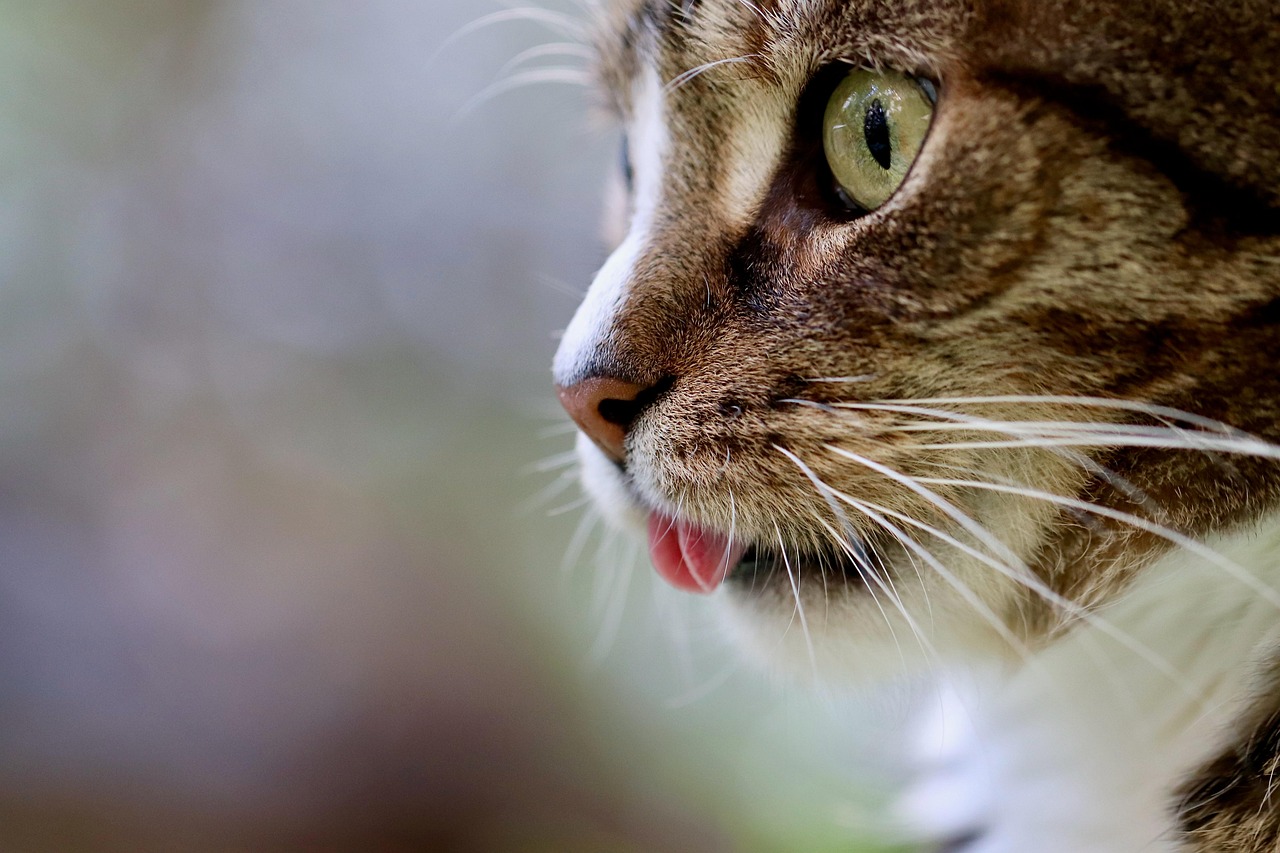

How to Avoid Overwhelming Sensitive Cats During Training
Training sensitive cats can sometimes feel like an uphill battle. It is crucial to recognize that every cat has a unique temperament, and sensitive ones require special consideration. Understanding the individual cat’s behavior can significantly improve training outcomes. Always approach them gently and patiently. Building trust is essential because sensitive cats can easily become overwhelmed or stressed. Use positive reinforcement methods as their responses to training can be subtle and dependent on their current emotional state. Ensure that any training session is short and engaging, allowing the cat to remain comfortable and attentive throughout the process. Avoid sudden movements or loud commands, as these may scare them. Instead, create an inviting atmosphere that encourages exploration and participation. Set a calm tone during sessions to help the cat feel secure. Over time, with patience and persistence, a sensitive cat can become more confident and eager to learn.
Another important strategy for training sensitive cats is to create a safe environment. Cats are naturally territorial, and any alterations in their surroundings can lead to stress. Therefore, choose a familiar area for training sessions. It could be their favorite room or spot in the house. Make the training area comfortable by removing distracting elements. Soft lighting and calming scents can also help create a soothing ambiance. Avoid placing training pads or toys that trigger stress for your cat nearby. It’s crucial to monitor their body language during training. Signs of fatigue, distress, or annoyance should be recognized immediately. If you notice these signs, halt the session and allow your cat to take a break or retreat to a safe space. Frequently check in with your cat, reinforcing positive behavior through gentle praise or treats. This strategy will help enhance their comfort level during training sessions. Remember that consistency plays a vital role in building confidence for sensitive cats during their learning journey.
Utilize Positive Reinforcement Techniques
Implementing positive reinforcement techniques is critical when training sensitive cats. This method focuses on rewarding desired behaviors rather than punishing undesirable ones. Start by identifying what motivates your cat, whether it’s treats, praise, or toys. When your cat engages in a behavior you want to encourage, immediately reward them. This reward system creates a strong association between the behavior and the positive outcome, making the cat more likely to repeat the action in the future. Ensure that the rewards are enticing and timely since sensitive cats may lose interest quickly. Keep training sessions upbeat and enjoyable. Regular breaks are important—allow your cat to relax and process what they’ve learned. Gradually introduce new commands or tricks, allowing your cat to feel accomplished at every step. Gradual progression will not only build trust but will also encourage a stronger bond between you and your cat. Remember, each cat learns at their own pace; stay patient and persistent in your approach to achieving success with sensitive cats.
As you progress with sensitive cat training, consider incorporating environmental enrichment into their routine. Enrichment activities can reduce stress and enhance mental stimulation, making training easier and more successful. Engage your cat with interactive toys, puzzle feeders, or climbing structures. These activities help build confidence and provide a safe outlet for their energy. You might also introduce clicker training as a way to mark behaviors you’re looking to reinforce positively. This method can be highly effective with sensitive cats, as they tend to respond well to clear and immediate feedback. Remember that a relaxed cat is more likely to learn effectively. Integrate plenty of playtime into the training schedule to maintain engagement and enthusiasm. Gradually increase the complexity of tasks as your cat becomes more comfortable. If they seem overwhelmed, scale back to more straightforward commands that they can easily grasp and enjoy. With consistent and enriching training methods, sensitive cats can thrive and become eager, confident learners.
Know Your Cat’s Limits
Recognizing and respecting your cat’s limits is vital for successful training. Sensitive cats often communicate their discomfort through body language. Signs such as flattened ears, twitching tails, or sudden movements may indicate that they are feeling too challenged. Always observe your cat’s responses during training sessions and adjust your approach accordingly. Shorter, more focused training sessions often yield better results than prolonged ones, especially for sensitive cats. If a session runs too long, a cat may withdraw or become disinterested, making the training ineffective. Incorporate breaks within training sessions, allowing the cat to recharge before re-engaging. Emotional comfort is paramount—if your cat seems stressed, it’s safer to pause training and give them space. Establishing a healthy relationship relies heavily on listening and understanding your cat’s needs. As you gauge their responses and modify the training session in real-time, you will encourage a more positive attitude toward learning. Being attuned to their needs fosters a respectful bond, paving the way for effective training.
Incorporating play into training can enhance the experience for your sensitive cat. Playtime can act as both a reward system and an engaging training tool. Use toys that appeal to your cat’s natural instincts, such as feathers or laser pointers, to maintain excitement. Integrate playful elements into training by using a toy to guide behavior, like encouraging them to follow the toy as they learn to respond to commands. Encouragement through play creates a positive atmosphere. Keep sessions lively and interactive, allowing your cat to express themselves through fun activities while also learning. If the cat loses interest, consider changing to a different toy or method. Providing choices during play will help your cat feel more in control and engaged. Always celebrate small victories—if your cat successfully follows a command, give them that much-deserved playtime as a reward. This approach cultivates a happier learning environment, where sensitive cats can thrive in their training efforts. Make sure each session ends positively, leaving your cat looking forward to future training.
Creating a Routine
Establishing a consistent routine is essential for any training program, especially with sensitive cats. Cats thrive on predictability and structure, giving them a sense of security. Create a schedule that outlines training sessions, feeding times, and playtime. Stick to this schedule as much as possible, so your cat knows what to expect throughout the day. Regularity helps alleviate anxiety and encourages ready participation in training. Ensure that sessions occur at similar times daily, helping the cat settle into this routine. However, remain adaptive to your cat’s needs—if they seem overly stressed on a given day, short session adjustments may benefit both of you. Gradually introduce new commands, keeping the routine engaging yet predictable. This consistent approach reinforces learning, allowing sensible progress over time. Monitor your cat’s mood and engagement levels to modify the routine when necessary. Take notice of what works and what doesn’t, and adjust accordingly. A well-structured routine not only supports effective training but also nurtures a sense of calm, making the cats themselves more comfortable throughout the process.
Lastly, ensure that your sensitive cat receives plenty of love and affection throughout their training journey. Building a reassuring relationship not only improves the bond you share, but also serves as the backbone for a successful training experience. Gentle petting, soft-spoken praise, and quiet time together can help mitigate any stress your cat may experience during training. Never underestimate the power of simply being present—sometimes a calm, familiar presence is enough to keep your cat feeling secure. Integrating affection into your training can also enhance the effectiveness of your methods. If your faithful feline struggles with a specific command, recall that patience goes a long way. Frequent moments of connection and affection can set a soothing tone for learning. This approach will help solidify a positive association with training, encouraging your cat to engage without fear. Above all, remember that every cat is an individual—what works for one might not work for another. Employing empathy and understanding as guiding principles fosters a nurturing environment, leading to happier, more confident cats.