
How to Make Brushing Enjoyable for Your Dog
Brushing your dog is essential for their coat health and overall well-being, but it can sometimes be a challenge. To make this activity more enjoyable for your furry friend, start by creating a calm environment where they feel safe. Choose a comfortable space, free from distractions, where your dog can relax. Use positive reinforcement throughout the process, such as treats or praise, to associate brushing with good experiences. Make sure to handle the brush gently and give your dog plenty of breaks to avoid overwhelming them. To begin, get your dog accustomed to the brush. Show it to them, let them sniff it, and use it to lightly massage their coat without going too deep at first. Gradually build their tolerance by spending short amounts of time brushing different parts of their body. Reassure them with a soothing voice or gentle touch, so they see brushing as a loving activity. Remember, patience is key as you build this brushing habit. If your dog seems anxious, take a step back, reassure them, and try again later. This process fosters trust and makes future brush sessions more pleasant.
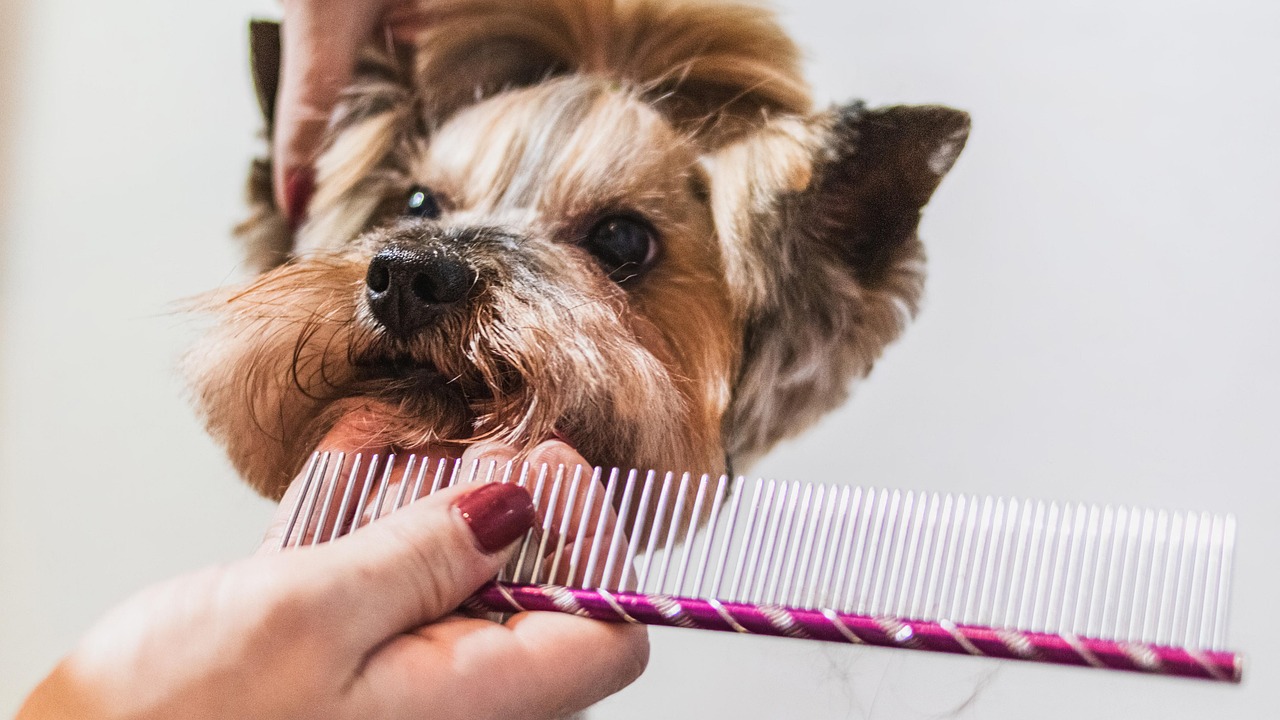
Another way to make brushing enjoyable is to use high-quality grooming tools that cater to your dog’s specific coat type. Different breeds require different brushes, such as slicker brushes, bristle brushes, or shedding tools. Choosing the right brush can help minimize discomfort and make grooming more effective. Once you have the right tools, introduce them to your dog slowly. Show them the brush and let them inspect it while offering treats. This can help create a positive association with the tools. As you start brushing, employ a gentle hand. Use slow, steady strokes while examining your dog’s skin for any signs of irritation or discomfort. Be gentle, especially around sensitive areas like their face, ears, and paws. If they enjoy the feeling, continue to gradually increase the brushing duration. Additionally, consider incorporating brushing into your dog’s routine so they expect it during designated times of the day. This familiarity can help alleviate anxiety and create a sense of normalcy around grooming. Consistent practice transforms brushing from a chore into an enjoyable bonding experience between you and your beloved pet.
Incorporating Playfulness into Grooming
To further enhance your dog’s grooming experience, make it playful. Incorporating play into grooming sessions helps reduce anxiety and reinforces positive behaviors. For instance, you can turn brushing into a game by rewarding your dog with a favorite toy after a successful session. Encouraging your dog to fetch toys or perform tricks during breaks can create excitement. Another method is to use interactive toys or treats that engage your dog while you brush them. Place a favorite chew toy near them to divert their attention and keep them occupied, allowing you to brush comfortably while they enjoy themselves. Always be attentive to your dog’s mood throughout the grooming process. If they show signs of distress or discomfort, take a break or change your method. Keeping the environment light and unpressured reinforces the idea that grooming is a fun and rewarding experience. Using soft, gentle strokes and incorporating pretend play as if the brush belongs to a puppet can also make the process amusing for both of you. A calm, reassuring presence will show your dog that brushing is not something to fear but an integral part of their care routine.
Another effective strategy is to integrate grooming into your dog’s overall skincare routine. Frequent brushing helps to remove dead hair, dirt, and debris, making it easier for your dog to stay clean. If your dog enjoys bath time, consider brushing them immediately afterward. This can create a natural flow from one grooming activity to another, reinforcing the idea that grooming is simply a part of their regular care process. Combining brushing with bathing can also make it a more enjoyable experience since your dog will associate both activities with being pampered and cared for. Treating brushing as a segment of their self-care routine helps them understand its significance. Besides bath time, consider integrating brushing into your dog’s play routine. Use a soft brush after play sessions, especially after walks in grassy or muddy areas. This not only helps to remove dirt but can also be a bonding moment. While brushing, you can engage in gentle conversation with them, praising their efforts and giving them their favorite treats intermittently. Creating a multi-sensory environment enhances the experience and fosters a trusting bond between you and your dog.
Timing and Duration Matters
Choosing the right time and duration for grooming sessions is also crucial to your dog’s comfort. Observe your dog’s energy levels, and try to choose moments when they are calm and relaxed for brushing sessions. Avoid periods when they are overly excited or agitated. Morning or late evening, after they’ve had a good run or play session, are often ideal. Aim to brush for just a few minutes initially, especially for dogs that might be new to this experience. Build up the session’s length gradually based on your dog’s comfort level and tolerance. If they seem to be enjoying it, extend brushing time incrementally to promote familiarity. On days when they need less grooming, keep it short and sweet while still showing them love and support. Keeping sessions brief prevents overwhelming your dog while instilling positive associations with brushing. If the weather is good and they can enjoy outdoor play afterward, this further enhances the positive experience. Each successful brushing session builds confidence in your dog and creates further anticipation for the next time.
Moving on, another important factor is your own demeanor during grooming. Your energy and attitude will greatly impact your dog’s response to brushing. Maintain a positive and relaxed atmosphere, as your dog can pick up on your emotions. If you’re stressed or hurried while brushing, your dog may respond with stress or anxiety. Playing calming music in the background or talking softly to your dog can help to create a soothing atmosphere. Use a gentle, encouraging tone that conveys reassurance while brushing. If your dog becomes anxious, take a few deep breaths to calm yourself before resuming. This will help maintain a peaceful environment for your dog. It’s essential to remain attentive to your dog’s reactions at all times. If they show discomfort or reluctance to continue, stop immediately and reassure them. Alternatively, if your dog enjoys the brushing process, reward and praise them with treats or gentle pets to reinforce their positive behavior. This support aids in building a strong bond between the two of you while redefining brushing as a fun and loving interaction.
Assessing Results and Adjustments
Lastly, make sure to regularly assess how your dog responds to brushing, adjusting your technique based on their feedback. Continuously observe their comfort level, attitudes, and preferences. If you notice they are not as motivated or responsive as before, it may be time to change your approach. Evaluating the tools you use is equally vital. Consider switching to a different brush if you feel the current one is not effective or causing discomfort to your dog. Also, offer variety in terms of brushing rhythms and strokes. Some dogs may prefer gentle, slower strokes while others enjoy a more vigorous approach. Carefully adjust these techniques to find what resonates best with your furry companion. Engage with your dog while assessing their coat condition to know when and where to focus more during brushing. Regular grooming also acts as an opportunity to check for any skin issues or parasites. Always prioritize your dog’s comfort, adapting your practices accordingly while ensuring these sessions contribute positively to your dog’s well-being.
In summary, brushing your dog can transform into an enjoyable and beneficial experience with the right approach. Creating a calm environment, incorporating playfulness, and using appropriate tools are crucial aspects. Moreover, staying patient and aware of your dog’s reactions can significantly improve the overall experience. Regularly assess their responses, and adjust your techniques to ensure they are comfortable and happy. Timing and duration of grooming sessions are critical factors, along with maintaining a positive attitude throughout. Involving grooming in their daily routine solidifies it as a meaningful activity rather than a chore. Be consistent in your efforts, combining nurturing behaviors with effective brushing techniques to foster trust and enjoyment. Before long, you and your dog will turn brushing into a routine that you both look forward to participate in, enhancing your bond. With love and care, brushing becomes less of a task and more of a joyful occasion. Dogs thrive on positive experiences, and brushing is no exception. Ultimately, your patience and dedication will not only make grooming easier but also strengthen the companionship you share with your furry friend.