
How to Support Your Senior Cat’s Mental Health
Senior cats, like humans, can face various mental health challenges that affect their behavior and happiness. As they age, they may experience stress, anxiety, or cognitive dysfunction. Providing emotional support is essential for their well-being. First, create a calm environment tailored to your cat’s needs. A quiet, safe space where your cat can retreat helps reduce stress. Implement a routine to create predictability in their day. Regular feeding, playtime, and cuddle sessions establish a comforting rhythm. Introducing engaging toys can stimulate their minds while helping them stay active and entertained.
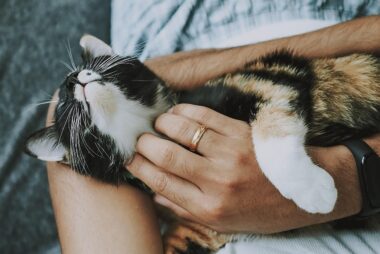
Another approach to supporting your senior cat’s mental health is through social interaction. Spend quality time with your feline friend daily. Engage in gentle play, grooming, or simply sit together. Cats benefit from social bonding, which can alleviate feelings of loneliness. Keep in mind their mobility might be limited, so adapt your activities accordingly. Also, consider adopting a second pet only if your senior cat is social and accustomed to companions. However, always supervise interactions to ensure comfort and safety for both animals.
Nutrition and its Impact on Mental Health
Providing a balanced diet can significantly influence your senior cat’s mental state. Senior cats require different nutrients than younger cats. Collaborate with your veterinarian to develop a diet plan prioritizing their health. Look for senior cat food rich in antioxidants and omega fatty acids to support cognitive function. Avoid sudden changes in their diet to minimize stress; gradual transitions promote smoother adjustments. Additionally, ensure fresh water is consistently available. Hydration is vital for their overall health, aiding digestion and organ function.
Furthermore, mental exercises can play a crucial role in enhancing your senior cat’s cognitive skills. Use puzzle toys that encourage them to problem-solve for treats or their favorite food. Such challenges stimulate their minds and keep boredom at bay. Rotate toys occasionally to maintain interest and excitement. Simple tasks like hiding treats around the house can also engage their natural hunting instincts. Spend time observing your cat’s interactions with toys, adjusting their complexity based on their responses to ensure they remain challenged yet successful.
Regular Veterinary Check-ups
Another key element to support your senior cat’s mental health is ensuring regular veterinary check-ups. These visits allow for early detection of potential health issues that can affect behavior and mood. Discuss any behavioral changes with your vet; these changes might indicate underlying health problems. Regular screenings ensure that they remain healthy, allowing you to adjust their care as needed. Your vet can recommend medications or supplements to address specific challenges, enhancing mood and overall well-being.
Additionally, consider creating a stimulating environment at home. Incorporate vertical spaces such as cat trees or shelves to encourage climbing and exploration. This form of enrichment promotes physical activity while satisfying their natural instincts. Ensure that all pet areas are safe and free of hazards. Providing scratching posts or pads can help maintain their claws and offer stress relief. Rotate access to different areas and toys to keep their environment fresh and exciting. A well-structured space contributes positively to their mental health.
Understanding Behavioral Changes
Understanding your senior cat’s behavioral changes is crucial in supporting their mental health. Aging can alter their temperament, leading to increased irritability or withdrawal. Take notice of any sudden shifts in eating, sleeping habits, or grooming behaviors. Such changes can signal stress or discomfort. Keeping a journal to track these behaviors can provide valuable insights to share with your veterinarian, enhancing your understanding and response to their needs. Familiarity with your cat’s preferences allows you to identify what comforts or distresses them.
Ultimately, patience and compassion play significant roles in supporting your senior cat’s mental health. Each cat has unique responses to aging, requiring individualized approaches. Celebrate their small victories and show love consistently. Regular interaction fosters trust and strengthens your bond. Providing a sanctum filled with love, comfort, and play offers essential support. Your companionship greatly enhances their quality of life. Through dedicated attention and care, you can help your senior cat navigate these changes gracefully, ensuring a happier and healthier environment.