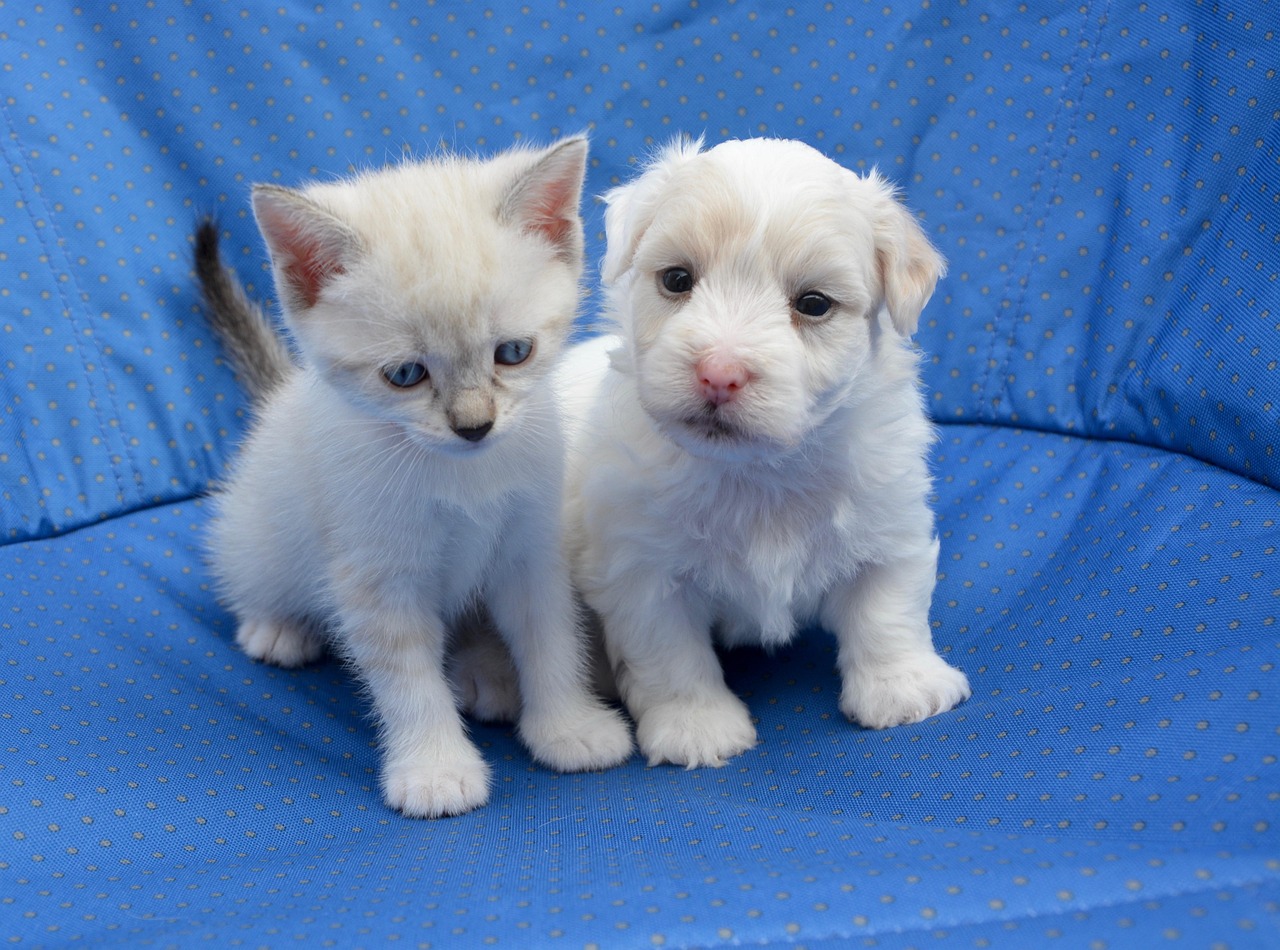

Introducing Kittens to Dogs: Safe Socialization Methods
Socializing kittens with dogs can be an exciting journey, but it requires a balanced approach. Start by introducing the scents of both animals to each other. Place a blanket or toy in each pet’s area to familiarize them with each other’s scents before direct interaction. This method lowers anxiety for both pets during their first meeting. Additionally, create a safe space for the kitten, allowing it to retreat if feeling overwhelmed. A designated area helps the kitten to feel secure while still allowing a level of interaction. Use treats and positive reinforcement to reward both pets during these introductions. This builds a positive association, encouraging them to view each other as companions rather than threats. Moreover, monitor their body language closely — signs of stress or aggression necessitate immediate intervention. Set boundaries and maintain control of the situation to keep both pets feeling safe. With consistency and patience, you can establish a friendly rapport between your kitten and dog. Remember, every pet is different, and adjusting your approach is key to ensuring their comfort throughout this process.
Once the initial introductions are successful, it’s time to facilitate controlled interactions. Begin by keeping the dog on a leash while allowing the kitten to explore the area. This gives both pets a level of freedom without risking them escaping or becoming overly excited. Always supervise their interactions, as their behaviors can change rapidly. Gradually allow the kitten to approach the dog, rewarding calm behavior in both pets. If at any point the kitten appears distressed or the dog shows too much enthusiasm, separate them temporarily. Patience is crucial when socializing these two species; rushing the process can lead to anxiety and setbacks. Consider engaging both animals in play while they are together. Toys that can be shared, like feather wands, can attract their attention while helping to foster camaraderie. Provide separate spaces for each animal, especially during rest periods. This ensures that they have comfort zones to retreat to when feeling overwhelmed. Always reinforce positive behavior with treats or praise to encourage a healthy environment for their growing relationship. With time, these interactions will become a normal routine.
Understanding Body Language
Understanding the body language of both your kitten and dog is essential during socialization. Cats and dogs naturally exhibit signs of stress or comfort, and being able to recognize these signs can greatly promote a successful interaction. For example, a dog wagging its tail doesn’t always mean friendliness—pay attention to the position and speed of the wag. A slow wag can indicate caution, while a fast wag might show excitement. In contrast, a kitten displaying raised fur or a crouched position may be feeling threatened. Encouraging your dog to sit calmly while observing the kitten can create a more relaxed environment. Additionally, kittens often exhibit playful behaviors such as pouncing or rolling over, which can signal their comfort level. This should translate into a more positive experience for both animals as they interact. If aggression or fear occurs from either pet, take a break and reassess their comfort levels. Outdoor temperatures, noise levels, and unfamiliar settings can alter behavior, so ensure each interaction is in a familiar, calm area. Gradually extending these visits can strengthen their relationship.
Another key aspect of socialization is timed, positive experiences. Gradually increase the duration of their interactions over time. Start with just a few minutes of interaction per day, allowing both pets to become accustomed to one another’s presence. As they become more comfortable, you can extend these periods slightly, always observing their reactions. Introduce meals and toys in neutral spaces, as positive associations during feeding times can bind them together. Monitor the way each pet interacts during these moments—if either shows signs of discomfort, consider shortening the activity. Allow them to engage freely but keep interventions ready when necessary, removing distractions if they escalate. Socialization can take weeks or months, so remain consistent. Refrain from forcing contact; let them discover one another organically. Friendly interactions should feel natural rather than pressured, providing plenty of praise and treats as they reach milestones. Utilize resources like socialization classes or workshops, which provide opportunities to practice skills in a larger context. Additionally, consider asking your veterinarian for advice on effective socialization techniques and strategies.
Creating Safe Environments
Creating safe environments for both pets during socialization is vital for their well-being. Ensure your home is pet-friendly by removing potential hazards, such as sharp objects or fragile items within reach. Provide separate areas where each animal can retreat if they feel overwhelmed or threatened. This will help to maintain a calm atmosphere and prevent unnecessary stress. Consider employing baby gates as a physical barrier between them initially while they adapt to each other’s presence. These serve as a visual cue, allowing them to see one another without direct contact. Regular weekly sessions can help solidify their relationship while enabling gradual, more considerable interactions. Remember that gradual exposure is critical, and forcing interaction will lead to fear and anxiety. Encourage siblings, friends with pets, or even trainers to assist with introducing your kitten to a well-behaved dog. This variety in interactions will enrich their socialization experience, fostering confidence over time. Always maintain a neutral tone of voice, as raising your voice can often increase stress levels, making it crucial to stay calm and collected during these moments.
As socialization progresses, it’s essential to continue fostering positive interactions and maintaining a consistent routine. Use structured playdates or outings to help solidify the bond between your kitten and dog. Activities like supervised play sessions or leisurely walks can create memorable experiences together. Always ensure that both animals are comfortable and participating positively in these activities. Consider offering simultaneous treats or petting both animals while they are together to deepen the sense of camaraderie. Additionally, training exercises like ‘sit’ or ‘stay’ can help both pets feel more secure in their positions. Training not only builds discipline but also enhances their relationship through mutual understanding. Be mindful of triggers that may create stress; these might include loud noises, sudden movements, or unfamiliar people. Strategies to manage these situations can include desensitization techniques or introducing calming scents. Use pheromone diffusers or consider consulting with a veterinarian regarding anxiety solutions if needed. The goal is to merge their social experiences and cultivate a bond built on trust and love between your dog and kitten; patience is an integral part of this journey.
Maintaining Mutual Respect
As relationships between your kitten and dog bloom, maintaining mutual respect is crucial for harmonious cohabitation. Ensure boundaries are respected, and allow each pet its space during quiet moments. This will facilitate a sense of security and ease any anxious feelings each pet may have about the other. Encourage individual playtime with both pets, reinforcing that they are valued as individuals while being social creatures. Vary your interactions to keep matters engaging and to stave off boredom, which can lead to aggression. Observe how both animals react to different stimuli in their environment and teach them to respect each other’s boundaries. Potty training practices can be a great time to encourage mutual respect, ensuring both pets have designated potty areas. Mixing up routines with new toys, training exercises, or trips can challenge their socialization skills. It is important to remain dedicated to their social experiences, as ongoing interactions will solidify their relationship. Keeping communication open through training sessions can ensure both animals understand expectations, leading them to develop a loving bond rooted in mutual respect. With these strategies, your kitten and dog will flourish together.
Ultimately, the goal of introducing your kitten to a dog revolves around developing a lasting relationship based on trust and companionship. Consistent training, positive reinforcement, and patience will lead to the duo integrating seamlessly into your family dynamic. Never hesitate to seek help from pet trainers or professionals who specialize in animal behavior if challenges arise during this process. Their insights can offer tailored adjustments to your methods, optimizing socialization efforts for your unique pets. Always remember that progress is often incremental; be open to adjusting your strategies and expectations as needed. Celebrate every milestone during your journey, no matter how small, and keep both pets engaged through stimulating activities. Through commitment, you will foster an environment that nurtures the bond between your dog and kitten. Their pathway towards mutual understanding is achievable with the appropriate approach and techniques in place. Provide love and support, respecting their individual personalities as they navigate their relationship. Reinforcing the positive aspects of their interactions will create meaningful experiences. Together, they will explore the world as companions with a bond worth cheering on.