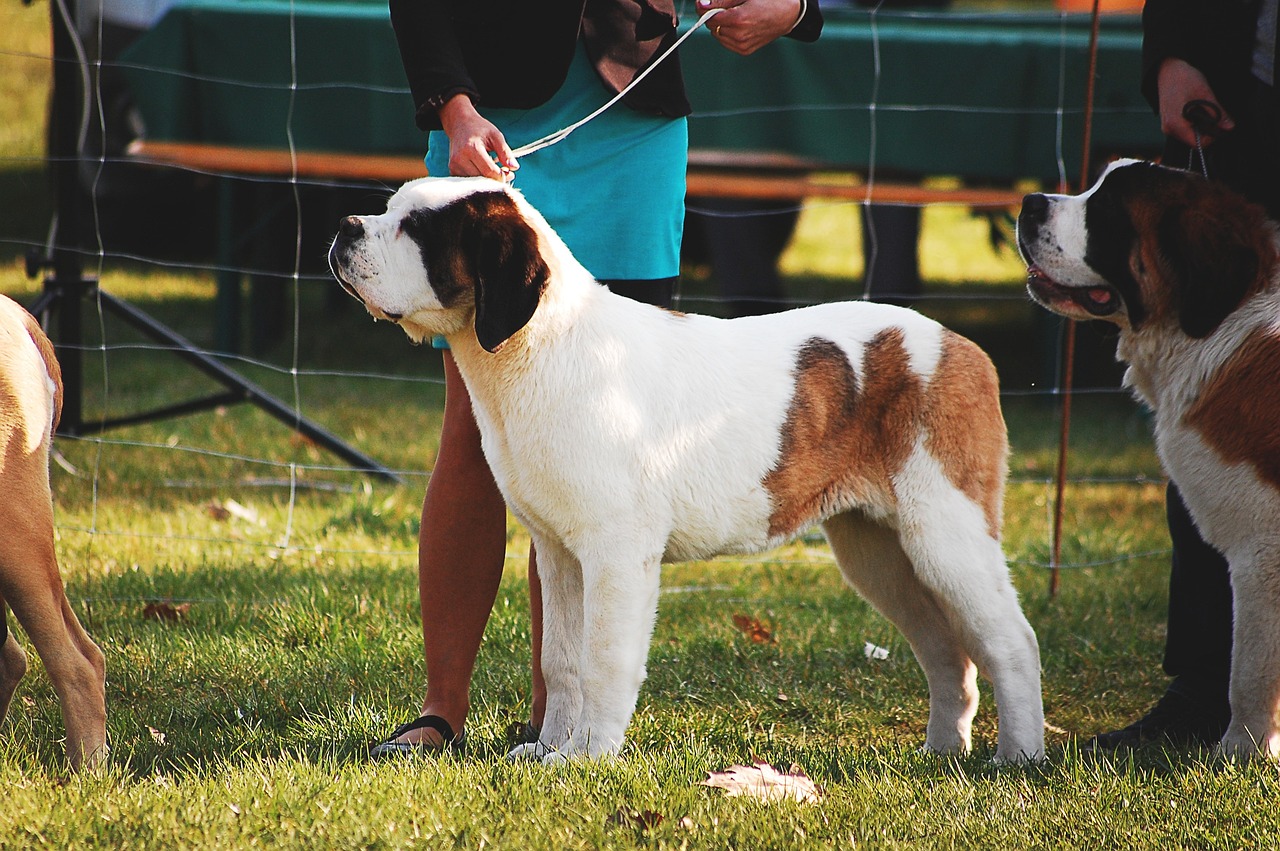

Promoting Responsible Breeding through Dog Show Clubs
Dog show clubs and associations play a vital role in promoting and ensuring responsible breeding practices. These organizations act as a bridge between breeders, owners, and the general public, helping to educate them about the importance of responsible breeding. Clubs often offer training seminars, workshops, and resources that highlight the ethical considerations involved in breeding dogs. Members gain access to valuable information about genetic health, proper breeding techniques, and breed standards. By adhering to these guidelines, breeders contribute to the welfare and longevity of their chosen breeds. Additionally, clubs create a community where breeders can exchange insights and support one another in their breeding endeavors. These interactions foster positive relationships among breeders, which ultimately leads to a higher standard of animal care and breeding practices. Furthermore, dog show clubs often host events and competitions that encourage responsible breeding and promote the importance of canine health. Through these endeavors, they ensure that dogs are bred for temperament, workability, and health rather than just appearance. This commitment to responsible breeding can decrease the prevalence of hereditary diseases and improve the overall quality of dogs in the community.
In addition to promoting ethical breeding practices, dog show clubs and associations provide an essential platform for showcasing well-bred dogs. These events attract thousands of spectators and participants who share a common passion for dogs. By showcasing the best examples of each breed, clubs educate the public about breed characteristics, strengths, and potential health issues that may arise from poor breeding. This exposure helps potential dog owners make informed decisions and encourages them to seek reputable breeders. Furthermore, clubs often collaborate with veterinarians and animal welfare organizations to ensure that their practices align with current health standards and recommendations. Thus, responsible dog show clubs are instrumental in fostering public awareness about the stakes of responsible breeding. Judges at dog shows not only assess conformations but also evaluate the temperament and behavior of competing dogs. This element further emphasizes the importance of breeding for disposition and character traits. As clubs advocate for performance-based assessments, they encourage breeders to prioritize more than just aesthetics in breeding decisions. This ultimately leads to healthier, better-adjusted dogs that can thrive in various environments, including homes and working situations.
Educational Initiatives and Community Engagement
Dog show clubs also take on an important role in education and community engagement around responsible breeding. Many clubs host classes, demonstrations, and outreach programs directed at educating the public on dog ownership and breeding ethics. These educational initiatives aim to equip current and prospective breeders with the knowledge to make responsible decisions. By fostering a culture of education, dog show clubs can help diminish the proliferation of unethical breeding practices, such as puppy mills or backdoor breeders. In our current environment, where information is readily available yet often misleading, clubs can be extraordinarily beneficial. They serve as a trusted source of information, providing guidance that emphasizes the welfare of dogs above financial gain. Additionally, clubs often encourage community service through fundraisers for animal shelters and rescue organizations. Events centered around responsibility and care foster a sense of community and recognize the bond between humans and dogs. Through these initiatives, clubs empower members to become advocates for responsible breeding practices while supporting the welfare of at-risk dogs. Therefore, these organizations help establish lasting legacies and contribute to positive changes within the broader dog-owning community.
Moreover, dog show clubs often work closely with breed associations to ensure that all breeding practices align with the standards and ethics outlined for each breed. This collaboration enables clubs to influence policies that govern breeding practices, ensuring that breeders are held accountable for their breeding decisions. In many cases, clubs regularly review and update their breeding policies to reflect any new research or information available regarding breed health and welfare. The adoption of the latest scientific findings into breeding guidelines is crucial in minimizing hereditary health issues and improving the overall wellbeing of canines. Clubs frequently invite guest speakers, including veterinarians and geneticists, to keep their members informed about new developments in canine genetics and health needs. Such events serve as vital forums for implementing the best practices in breeding. Clubs also offer resources, such as peer mentoring, which assists novice breeders in their journey. With experienced members guiding newcomers through the breeding process, the likelihood of producing healthy, well-adjusted puppies is significantly increased. Overall, these joint efforts yield substantial benefits, including improved breed preservation and better long-term health outcomes for purebred dogs.
The Impact of Shows on Public Perception
Dog shows significantly influence public perception regarding breeds and the importance of responsible breeding. By showcasing well-bred dogs, clubs foster understanding and appreciation for various breeds. This visibility helps demystify misconceptions surrounding specific breeds, illuminating their true nature, temperaments, and needs. When the public witnesses the diversity of dogs on display in a show setting, it cultivates interest in adopting or acquiring dogs from responsible breeders. Such enlightenment counters the harmful stereotypes often associated with certain breeds, promoting more ethical choices among potential dog owners. Clubs strive to showcase breeds in their ideal form, while also conveying essential information about care, health, and training requirements. They actively educate spectators, both on-site and online, about the benefits of choosing dogs bred for their quality, temperament, and vitality. Additionally, responsible breeding practices highlighted at dog shows help create a ripple effect, encouraging attendees to engage in conversations about animal welfare and adoption. As a result, a culture that values responsible breeding practices begins to evolve, fostering a breeding community that prioritizes the health and welfare of all dogs.
Furthermore, the impact of dog shows extends beyond the immediate community, influencing broader discussions around responsible breeding and ownership. As clubs engage with local media, share success stories, and promote their events through various channels, they create dialogue that resonates deeply with dog enthusiasts and the general public alike. Prominent dog shows often gain coverage from various media outlets, amplifying their message about the importance of ethical breeding practices. Through social media, clubs can reach an even wider audience, sharing educational content and highlighting the success of responsible breeders. These connections empower individuals to question breeding practices and seek out ethical breeders, resulting in a more conscientious and informed public. Ultimately, the visibility provided by dog shows offers invaluable opportunities for clubs to advocate for the welfare of dogs and raise awareness of the importance of responsible breeding initiatives. The collective effort of dog show clubs, associations, and breeders fosters a robust network centered on the health, happiness, and longevity of canine companions. This network can continue to inspire future generations to uphold these values and prioritize responsible practices in dog breeding.
Conclusion: The Role of Dog Show Clubs
In summary, dog show clubs and associations are pivotal in promoting responsible breeding within the dog breeding community. Their educational initiatives, commitment to ethical breeding standards, and influence on public perception play a fundamental role in shaping how breeds are viewed and bred for generations to come. By serving as a critical resource for breeders and the public, they facilitate dialogue on pressing matters through outreach, events, and partnerships with other organizations. As clubs and associations evolve, they must continue to embrace changes and acknowledge new research findings to maintain their high standards of welfare. By doing so, they can ensure that canine companions continue to thrive and enjoy a high quality of life for many years. The ongoing collaboration and dedication among breeders, clubs, and the community creates an enduring foundation for responsible breeding practices. As we move forward, the collective influence of dog show clubs will undoubtedly leave a lasting impact on future generations of dog owners and breeders, fostering a culture that prioritizes the welfare and health of all canine companions.
Through continuous efforts, responsible breeding standards will surely become ingrained in the ethos of dog breeding as a whole. Dog show clubs can serve as beacons of hope, guiding breeders toward healthier practices that transcend mere aesthetics. With passion and dedication, these organizations can shape an entire industry, making strides for better breeding practices that emphasize health and temperament. By instilling a sense of accountability and responsibility within breeders, clubs can pave the way for a future where all dogs are given the chance to thrive in loving environments. As advocates for ethical breeding practices, dog show clubs encourage responsible ownership and actively work to prevent issues like overpopulation. Their contribution goes far beyond showing dogs; they ultimately aim to create a sustainable ecosystem of canine care and breeding. These efforts contribute to reducing the number of dogs in shelters and improve lives across the board. When responsible breeding becomes an industry standard, it will lead to healthier dogs, enriching the lives of both canines and their human companions alike. This legacy marks the importance of dog show clubs in the journey toward a better world for all dogs.