
The Connection Between Weight Management and Training Efficiency
When it comes to dog training, understanding the fundamental connection between weight management and training efficiency is crucial. Dogs that maintain a healthy weight typically show an increased capacity to learn and obey commands. A balanced diet, rich in essential nutrients, is vital for sustaining energy levels and promoting overall health, both of which are correlational to training capacity. Moreover, regular exercise, designed specifically to enhance fitness, directly impacts how quickly dogs respond to training techniques. An overweight dog may display sluggishness, making it difficult for them to engage in training sessions. Therefore, trainers need to monitor the weight of their dogs conscientiously. Additionally, adjusting a dog’s diet and physical activities based on their current weight can foster better learning experiences during training sessions. This emphasis on managing weight not only enhances the effectiveness of training but also supports the dog’s long-term health. Striking the right balance can yield quicker results and a more enjoyable training experience for dogs and their owners alike. This understanding reinforces the importance of combining both dietary and exercise considerations with training strategies for optimal results.
Proper weight management requires a structured approach that incorporates both nutritional and exercise strategies tailored to the individual dog. A dog’s caloric intake should align with their activity levels, age, and breed. Owners should always consult with a veterinarian to determine an appropriate diet and ensure the content meets health standards. Moreover, implementing a regimen that includes various activities can keep your dog engaged and fit. Activities can range from agility drills to simple walks. These practices not only help to enhance physical fitness but also stimulate mental engagement as they learn new commands. Engaging their senses ensures that the training process is not tedious but rather interactive and rewarding. A combination of high-quality food and diverse exercise routines prepares dogs for more focused training sessions. Consequently, the effects of regular exercise extend beyond weight management; they also positively influence the dog’s ability to absorb commands and behave well under different circumstances. The interplay between diet and exercise becomes a fundamental aspect of effective training that should always be acknowledged. Trainers can thus create actionable training plans based on individual needs.
The Role of Nutrition in Dog Training
Nutritional balance plays a pivotal role in a dog’s physical capabilities and, consequently, in their training effectiveness. Protein-rich diets contribute greatly to muscle development, while carbohydrates provide necessary energy for prolonged activities. Moreover, a well-balanced diet supports cognitive function, allowing dogs to better respond to commands. Incorporating high-quality ingredients will ensure dogs receive nutrients required for both mental and physical activities. Trainers should consider the metabolic needs based on the dog’s size and energy expenditure. By optimizing nutrition, trainers not only help maintain ideal body weight but also enhance overall performance, making learning easier and more enjoyable for the dog. Furthermore, the timing of meals can significantly influence training outcomes. Regular feeding schedules allow dogs to have energy available precisely when they need it during training sessions. Thus, striking the right dietary balance can result in observable changes in a dog’s behavior, eagerness, and receptiveness during training. Emphasizing the importance of nutrition not only supports physical health but also fosters a positive environment. Taken together, trainers should view nutrition and training as interconnected pathways to greater efficacy.
Exercise Regimens to Support Training
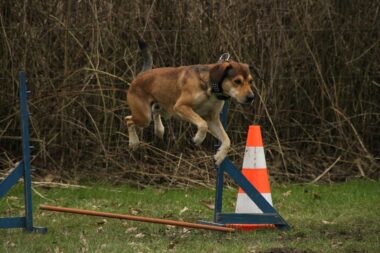
Implementing a structured exercise regimen is equally essential in managing weight while enhancing training effectiveness. A combination of aerobic and anaerobic exercises is suitable for promoting cardiovascular health and building muscle. Aerobic activities, such as running or agility exercises, allow dogs to burn excess calories while enhancing their endurance. On the other hand, anaerobic exercises, involving short bursts of high-intensity effort, can help build strength. Thus, a holistic approach to exercise contributes to muscular development and supports a lean physique, which is essential for training. Consistent exercise should become a part of the dog’s daily routine. Moreover, varying routines can help maintain interest, prevent boredom, and keep energy levels high. Engaging dogs in play can also be beneficial; techniques such as fetching or tug-of-war serve to combine physical exertion with training commands effectively. Trainers can use playtime to reinforce command-learning in a more relaxed setting. Thus, an active lifestyle supplemented by a structured regimen is key to ensuring that dogs remain fit while enhancing their cognitive abilities. The synergy between exercise and training ensures dogs reach their peak performance capabilities.
Monitoring a dog’s circumference and weight becomes integral to managing their health while maximizing training efficiency. Owners should establish a routine to check their dog’s weight regularly; expert advice often suggests monthly weigh-ins. Keeping a close eye on your dog’s nutritional needs will undoubtedly pave the way for effective training sessions. Developing a feedback loop becomes crucial whereby trainers can analyze performance relative to a dog’s weight and fitness level. If a dog struggles to perform commands, gradual adjustments in diet and exercise may be necessary. Regular vet visits can further assist in recognizing any potential issues that may arise from improper weight management. Using progress charts can help owners visualize changes and track improvement effectively, providing insights into how nutritional adjustments impact training. This adaptive management fuels motivation in both trainers and dogs, leading to improved performance. Also, maintaining open communications with trainers allows sharing observations regarding weight fluctuations and any effects on training responsiveness. The awareness that closely-knit management of diet and exercise, complemented by training, can optimize a dog’s well-being is encouraging for all dog owners seeking the best for their pets.
Positive Reinforcement Techniques Associated with Weight Loss
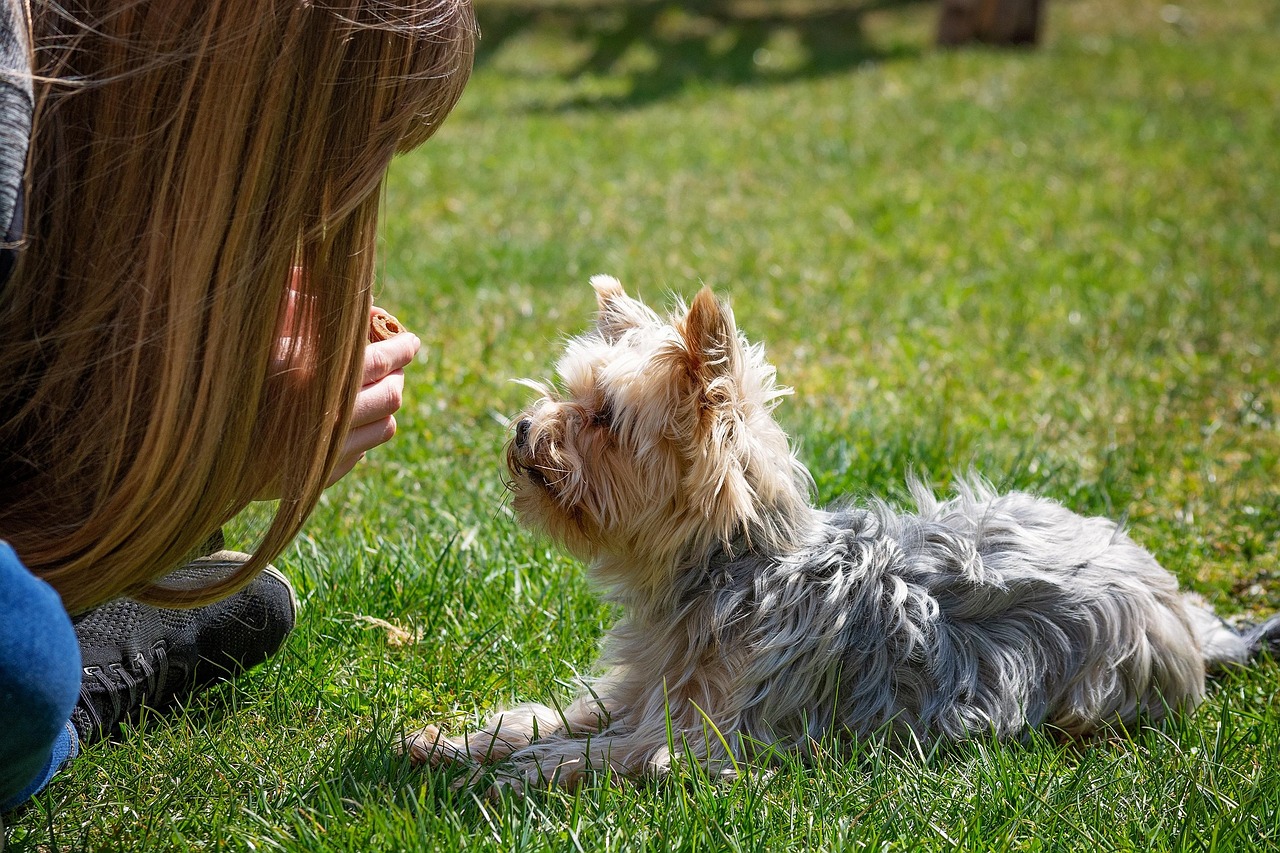
Incorporating positive reinforcement techniques is also viable in supporting weight loss while enhancing training efficacy. These techniques encourage dogs through rewards, praise, and physical affection. Such reinforcement can be particularly effective as a part of managing dietary restrictions; instead of giving high-calorie treats, opting for more nutritious snacks can effectively promote weight loss while still motivating dogs during training. Discovering creative ways to use praise can enhance the learning experience. Trainers can emphasize verbal affirmations, petting, or alternative rewards like extra playtime, contributing to a less calorie-focused relationship. This mindful approach shapes a dog’s behavior not just through traditional treats but enriches training outcomes. Furthermore, ensuring this positive environment fosters trust between the dog and owner or trainer is vital. The outcomes of this training include not only improved listening and obedience but also emotional engagement from the dog, expressing eagerness to learn. Hence, by being mindful about treat choices and creatively employing rewards during training, trainers ensure that dogs remain motivated while managing their weight. Adopting such strategies will ultimately cultivate a healthier, more responsive dog, enhancing the overall training experience.
In conclusion, understanding the connection between weight management and training efficiency offers insights that are vital for successful dog training. Analyzing how food choices, exercise regimens, and overall well-being synchronize creates an effective framework for improving a dog’s training experience. Implementing dietary strategies and physical exercises leads directly to influencing a dog’s ability to learn commands effectively. Regular visits with a veterinarian ensure that the nutritional and physical needs align with performance goals. Awareness of how managing weight enriches the bond between owner and dog further enhances the progression of training regimes. The cumulative effects of mindful training approaches lead to healthy dogs who not only excel in training scenarios but also enjoy enriched lives. With a commitment to maintaining optimal weight, trainers can ultimately ensure a mutually rewarding environment that promotes active participation. Thus, placing emphasis on weight management and its relation to functional training results will reinforce the importance of a healthy lifestyle for dogs. In essence, integrating nutrition and exercise into training regimens creates the perfect storm for enhancing training outcomes, ensuring both dogs and owners reap the benefits of effective training experiences.