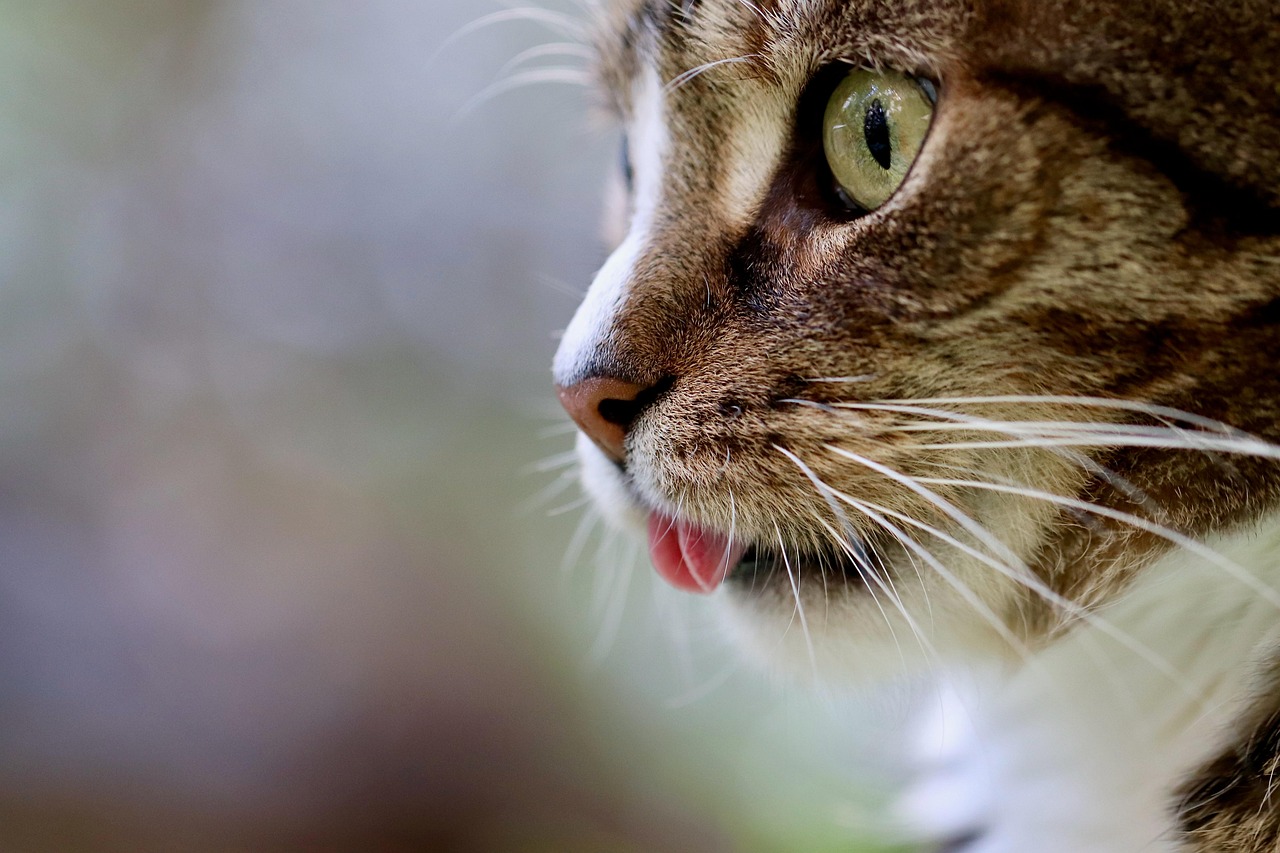

The Evolution of Vaccine Technology and Its Impact on Cat Health
The landscape of feline vaccinations has evolved significantly over the years, reflecting advances in veterinary science and technology. Initially, vaccines were developed from attenuated live viruses, providing critical immunity to diseases such as feline panleukopenia and calicivirus. Innovations in molecular biology and immunology have led to the development of safer, more effective vaccines that minimize risks for cats. Recent trends include the use of recombinant DNA technology, which allows for the isolation of specific pathogens. This method helps eliminate the risk of disease transmission, highlighting a significant enhancement in vaccine safety. Furthermore, the introduction of adjuvanted vaccines stimulates a stronger immune response, providing prolonged immunity. Numerous studies indicate that the frequency of vaccinations can potentially be reduced due to advancements in vaccine efficacy and duration of immunity. Additionally, there are ongoing efforts to create universal vaccines that protect against multiple pathogens simultaneously. These developments not only simplify vaccination protocols but also enhance owner compliance. Therefore, staying informed about these advancements can empower cat owners to make educated decisions regarding their pets’ vaccination schedules.
Understanding Vaccine Efficacy
Vaccine efficacy refers to the ability of a vaccine to provide protection against a specific disease. In cats, numerous studies have demonstrated significant efficacy rates for vaccines against prevalent feline diseases. For instance, feline panleukopenia vaccines have shown effectiveness levels exceeding 90% in field studies. Investigating factors impacting vaccine efficacy is essential, as individual cat responses may vary based on age, health status, and prior exposure to pathogens. By understanding these factors, veterinarians can tailor vaccination protocols to enhance overall protection in felines. Scientific research continues to explore ways to optimize vaccine responses, focusing on specific populations such as young kittens or seniors. It is crucial to recognize that while vaccines are highly effective, no vaccine guarantees total immunity. Adjuvant components, incorporated to boost immune response, can sometimes lead to side effects, though these incidents remain rare. Continuous monitoring and research are necessary to identify optimal vaccination schedules. Overall, understanding vaccine efficacy helps owners and veterinarians appreciate their importance and encourages adherence to vaccination programs necessary for feline health.
In addition to traditional vaccinations, recent studies have explored alternative methods for feline immunization. Oral and intranasal vaccines have been studied and used successfully in various contexts. By offering different administration routes, such alternatives can ease compliance for pet owners and enhance immunity in specific situations. Furthermore, researchers are investigating the potential of therapeutic vaccines aimed not at prevention, but at treating existing infections in cats. Some studies suggest that vaccines targeting pathogens like feline immunodeficiency virus (FIV) could revolutionize care for infected animals. While these therapeutic vaccines are still under development, their potential integration into veterinary medicine might change the landscape of feline healthcare significantly. Additionally, the advent of mRNA vaccines presents exciting possibilities. This innovative technology, recently highlighted in human applications, may pave the way for future feline healthcare solutions, aimed at fostering immune responses against various pathogens. As scientists continue to experiment with these concepts, it is crucial for cat owners to remain informed about emerging therapies and the implications for vaccine technology. Regular discussions with veterinarians can ensure appropriate and timely updates about advancements in feline vaccination protocols.
Assessing the Risks of Vaccination
While vaccines are essential for preventing infectious diseases in cats, it is crucial to assess their potential risks. Although vaccine reactions are generally rare, they can occur and may manifest in various ways, from mild local reactions to severe allergic responses. Acknowledging possible side effects helps set realistic expectations among pet owners regarding vaccination. Veterinarians play a vital role in assessing individual health factors that may predispose some cats to reactions. History of previous reactions, existing health conditions, and age are vital considerations in vaccination consultations. Furthermore, advances in veterinary medicine have led to a better understanding of vaccine-associated tumors in cats, particularly with certain types of injectable vaccines. However, the overall benefits of vaccination in preventing life-threatening diseases often far outweigh potential risks. Educating cat owners about safe vaccination practices is crucial. Information on monitoring post-vaccine behavior and health becomes essential during the pet’s wellness visits. Ongoing veterinary research aims to strike a balance between minimizing risks and ensuring widespread protection against serious diseases, prioritizing feline health in contemporary practices.
Collaboration between veterinary professionals and researchers is essential for advancing feline vaccination practices. A community-based approach ensures transparency and an exchange of information regarding feline health. With rising awareness of vaccine-preventable diseases, strategies for developing comprehensive vaccination programs must be prioritized. These initiatives can streamline efforts to protect cats across various populations, from the urban to the rural settings. Continuous educational outreach efforts can raise awareness about vaccination’s importance, combating misinformation or misconceptions. Veterinary professionals are instrumental in hosting workshops and providing resources for cat owners, ultimately enhancing overall adherence to vaccination schedules. Additionally, incorporating technology, such as mobile applications, can help track vaccination histories and remind owners of upcoming vaccine appointments. Collaborative research on vaccination strategies can also lead to the development of targeted programs tailored to the unique needs of specific feline populations. As veterinary practices increasingly utilize comprehensive strategies alongside community outreach efforts, the impact of vaccines will likely continue to grow. Together, professionals and cat owners can foster a culture of responsibility that results in improved feline health outcomes and higher vaccination rates.
The Future of Cat Vaccinations
Looking ahead, the future of cat vaccinations holds great promise as science and technology continue to advance. Researchers are dedicating efforts to develop next-generation vaccines that enhance efficacy while reducing side effects. Innovations in vaccine delivery systems that employ nanotechnology and other advanced materials may revolutionize how vaccines are administered. The option of combining vaccines in a single dose sparks interest, potentially streamlining vaccination protocols for busy pet owners. Furthermore, enhanced diagnostic methods will likely allow veterinarians to assess individual cat immunity more accurately, informing tailored vaccination strategies that address specific health risks. Emerging research indicates that vaccines could also incorporate targeted delivery mechanisms, allowing for localized immune responses that minimize systemic exposure to adjuvants. Another area of interest is the development of vaccines against emerging infectious diseases that threaten feline populations. This ensures that the veterinary community remains vigilant about the changing landscape of infectious agents. As these innovations unfold, fostering strong communication between cat owners and veterinary professionals will remain fundamental to successfully implementing new vaccination efforts and ensuring the health of cats for years to come.
In conclusion, the evolution of vaccine technology has profoundly impacted feline health, significantly reducing the incidence of life-threatening diseases. With continuous research and advancements in vaccine efficacy studies, cats now have access to a wide range of safer, more effective vaccines. Understanding how vaccines work and attentively following vaccination protocols are crucial for cat owners looking to protect their beloved pets. Awareness of potential risks associated with vaccination is equally essential, ensuring that all health factors are considered before making decisions. Collaboration between veterinarians, researchers, and cat owners will be vital in addressing emerging health threats and ensuring that feline vaccinations remain relevant in the changing landscape of veterinary care. Keeping abreast of the new developments in vaccine research can empower owners to make informed, evidence-based decisions. By engaging in open dialogue with veterinary professionals, cat owners can play an active role in safeguarding their pets’ health and wellness. In lighting the path towards greater awareness and understanding of feline vaccinations, we collectively contribute to improved health outcomes for cats worldwide, celebrating a future less impacted by infectious diseases.