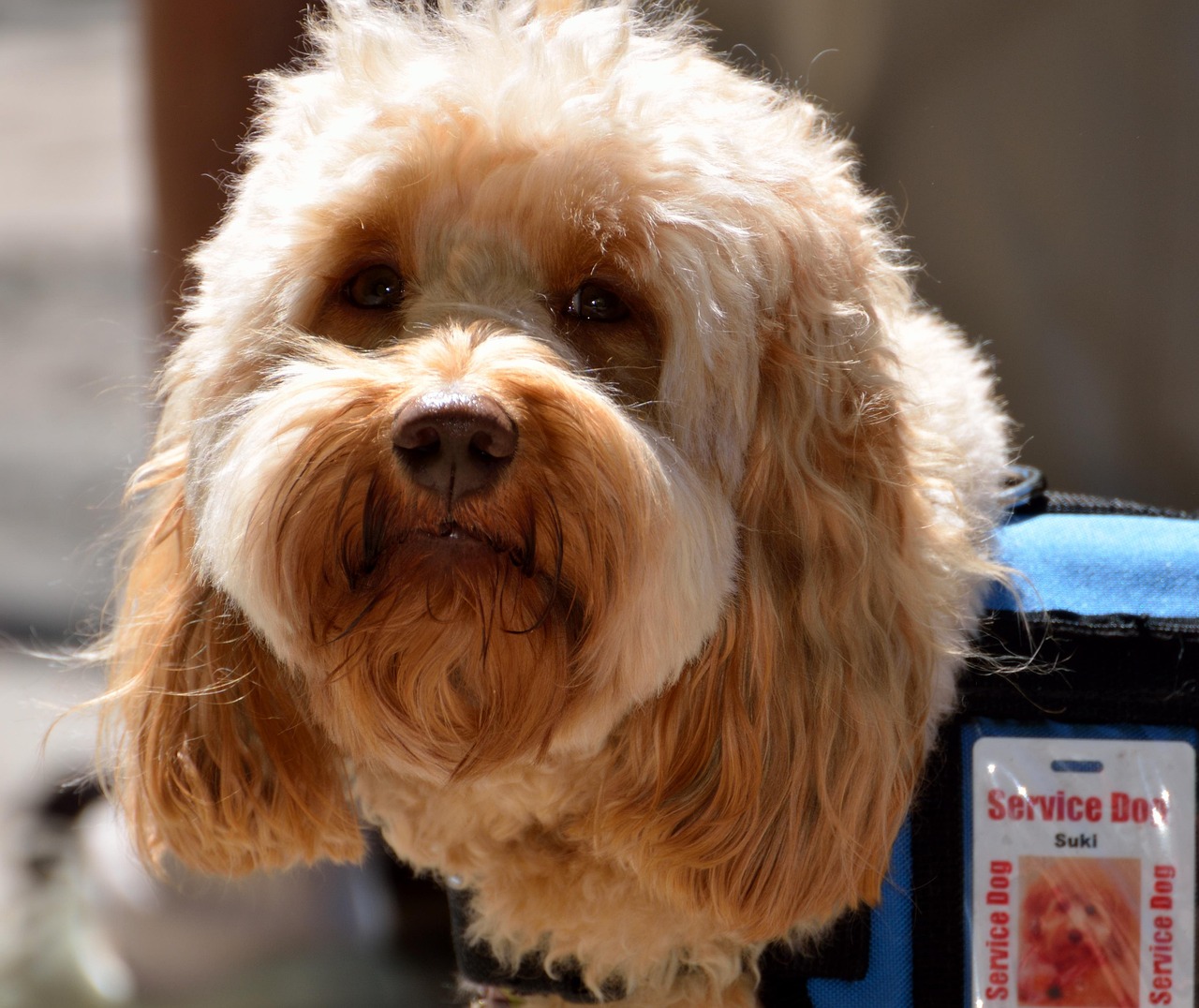

Training Assistance Dogs for People with Disabilities
Training assistance dogs for individuals with disabilities is a specialized process requiring knowledge, patience, and commitment. The process begins with selecting the right breed, as some dogs naturally possess qualities that make them better suited for certain tasks. Breeds such as Golden Retrievers, Labrador Retrievers, and German Shepherds are frequently preferred. These dogs need to be well-tempered, patient, and trainable, making them ideal candidates. Obtaining a suitable puppy or adult dog should be the first step in this guide. Owners should engage with reputable breeders or shelters. This ensures that the dog will undergo essential evaluations for temperament and health. Once the right dog is selected, training must begin promptly. Core skills such as basic obedience are foundational. Owners typically engage in group or private training sessions, where socialization and task-specific training occur. Trainers often use positive reinforcement methods that reward desirable behaviors with treats or praise. Building a strong bond between the dog and the handler is crucial during this stage. This bond ensures the dog feels secure and loves working with the partner, leading to effective assistance in everyday activities.
Dogs that assist with tasks often need to learn a variety of commands and perform specific behaviors that are beneficial to their handler’s daily life. This training involves teaching them to fetch items, help with mobility, or alert their owners to medical issues. Consistency in commands is critical. The same words and gestures should be used each time to avoid confusion. Owners must work patiently with their dogs, ensuring that each command is rewarded appropriately. A key component of training is socialization, which prepares dogs to behave appropriately in public. Exposure to diverse environments and situations is vital. Assistance dogs should be able to navigate crowds, public transportation, and various settings without becoming anxious or aggressive. The training process typically spans several months. Professionals may provide specialized instruction. Furthermore, handlers should also practice continuously in various contexts. This reinforces the skills learned in training. A well-trained assistance dog can improve a person’s independence significantly and provide emotional support. For those living with physical disabilities, mental health challenges, or unique needs, these dogs can be life-changing companions fostering a greater sense of normalcy and capability in their daily lives.
Legal and Certification Aspects
Another essential aspect of training assistance dogs for individuals with disabilities is understanding the legal requirements and certification processes involved. In many jurisdictions, the laws surrounding service animals stipulate that these dogs must be specifically trained to perform tasks that assist their handlers. American with Disabilities Act (ADA) outlines the key regulations regarding service animals in public spaces, but the definitions can vary by region. Therefore, it is crucial that handlers familiarize themselves with their local laws, including potential registration or certification requirements. Having documentation may smooth encounters in public areas requiring proof of the dog’s training. Many organizations certify assistance dogs after thorough evaluations; these evaluations confirm competencies in obedience and specialized tasks. Working with recognized institutions ensures that the training process meets the necessary standards. Additionally, emotional support dogs need different credentials than service animals. Understanding these differences is vital for owners to help avoid confusion when traveling or seeking access to public places. Above all, staying informed empowers owners to advocate for themselves and their assistance dogs, leading to increased independence and social acceptance.
Maintaining the training and skills of assistance dogs requires ongoing practice and reinforcement from their handlers. Just as dogs are trained initially, they must continue exercising their skills and commands throughout their working lives. Regular training sessions not only help solidify the tasks they have learned, but they also maintain the bond between the dog and the handler. Handlers should incorporate practice into their daily routines, integrating commands and tasks into familiar contexts like the home or local parks. It’s also crucial for handlers to observe their dog’s behavior. If any regression or confusion in performing tasks occurs, it’s essential to return to foundational training principles. Consistency in training is important for both the dog’s reliability and the handler’s peace of mind. Additionally, fun socialized activities, like playgroups or field trips, can further enhance the skills and comfort of assistance dogs in public settings. Maintaining this trained behavior helps ensure the dog can effectively support their individual and give them confidence as they navigate their lives. Handlers might consider continuing education courses to advance their dog’s capabilities as needs evolve over time as well.
Emotional and Psychological Support
Training assistance dogs not only focuses on physical tasks but also emphasizes emotional and psychological support for their handlers. Many individuals living with disabilities experience heightened stress or anxiety levels, making supportive companionship vital. Dogs excel at providing comfort. They instinctively respond to their owner’s emotional cues, often offering solace during difficult moments. Part of the training process includes developing the dog’s ability to recognize and react to signs of distress in their handlers. These tasks can range from simple nudges to more complex actions such as alerting someone nearby for help. The emotional bond formed between an assistance dog and their human can significantly enhance the individual’s quality of life. Owners often report feeling more secure and less isolated, thanks to the reliable presence of their canine companions. The training process can nurture these connections when handlers acknowledge and encourage their pets when they provide emotional support. Additionally, handlers learn to communicate their feelings effectively. This practice not only aids in maintaining the dog’s training but also fosters deeper trust. Such relationships benefit all individuals involved in ways that go beyond traditional support techniques.
The journey of training assistance dogs is an ongoing learning process, illustrating the commitment needed for both dogs and handlers. Thus, continuous support from a community, trainers, and peers is beneficial. Joining local organizations or online communities can provide valuable resources and connection opportunities. Having access to experienced individuals can guide new handlers through challenges they may face during training and integration. These communities often celebrate achievements and provide encouragement, which may boost motivation and ensure successful partnerships. Additionally, attending workshops or events focused on assistance dog training can provide further insights. Opportunities for networking with other handlers may also arise. Over time, discussing successes and difficulties can lead to refining skills and techniques. Community bonds often mean sharing best practices and potential resources that aid ongoing training. While training alone can be daunting, these connections foster confidence and reduce feelings of isolation. The relationship built within these supportive networks can lead to enhanced skills for the dog owner, while the assistance dog becomes a cornerstone, enriching daily life through companionship, assistance, and productivity within their social environment.
Conclusion: Lifelong Commitment
Ultimately, the commitment to training assistance dogs for people with disabilities is both significant and rewarding. Recognizing the necessity of persistence and adaptability paves the way for successful partnerships. The journey may come with challenges, but the rewards profoundly impact daily life. Attention to the dog’s emotional needs plays a critical role in solidifying the bond between the handler and their assistance dog. Handlers must be open to learning new techniques throughout their journey together. Further, ongoing training helps ensure that dogs can effectively assist their partners as needs change over time. Realizing that both handler and dog are growing together reflects the bond’s strength and depth. This journey influences daily activities, experiences, and relationships positively. Incorporating lessons learned from training into daily life leads to a more fulfilling partnership. The value of assistance dogs is immeasurable, providing not only physical support but also emotional resilience. Every task they learn enriches the relationship and enhances their owner’s independence. Embracing the trials and triumphs establishes a fulfilled partnership, one rooted in collaboration and understanding as they face challenges together while deepening their connection.
Training assistance dogs for individuals with disabilities involves intentional efforts from both the dog and handler. Throughout the process, adjustments must be made to address changing needs and fostering growth. Engaging with trainers dedicated to teaching assistance animals ensures that the necessary skills are imparted to create reliable companions. Patience and consistent practices will enhance learning experiences. Achieving success requires resilience, commitment, and ongoing education.