
Working with Different Dog Breeds in Photography Classes
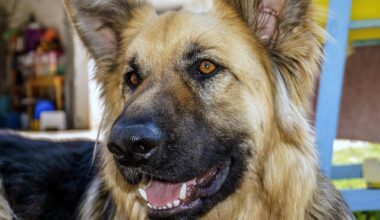
Dog photography workshops are incredible platforms for capturing the unique characteristics of various dog breeds. Every dog breed possesses its specific temperament, movement style, and poses that are essential for photographers to master. Understanding these traits can significantly enhance the quality of photographs taken during workshops. For instance, breeds like Golden Retrievers are generally friendly and cooperative, making them ideal for beginner photographers to practice their skills. In contrast, more energetic breeds such as Border Collies require a different approach to capture their dynamic movements. Photographing these breeds not only involves adjusting camera settings but also anticipating their actions, which adds excitement to the learning experience. Additionally, posing techniques can vary widely among breeds, influencing how the final image is conveyed. For successful outcomes, photographers need to blend their technical skills with an understanding of the breed’s behavior and personality. This combination is essential in workshops, where the focus is not only on the dogs but also on developing the photographer’s unique style. Thus, mastering the art of photographing different breeds is a rewarding endeavor for those passionate about dog photography.
Moreover, in dog photography classes, learning effective communication with dogs is crucial. Building rapport with various breeds enhances the quality of both the photo and the experience. Each breed has a distinct way of relating to humans, which can impact how comfortable they are in front of the camera. Socialization techniques taught in these workshops enable photographers to approach different dog personalities confidently. For instance, aggressive or shy dogs require a more gentle approach, while bold breeds might enjoy playful interactions. These methods not only make the dogs more at ease but also result in genuine, expressive shots that tell a story. In addition, understanding positive reinforcement techniques is vital in these scenarios, as it encourages desired behaviours during photo sessions. Photographers learn to keep treats and toys handy, which can divert a dog’s focus towards the camera. This strategy often leads to spontaneous poses that are visually appealing and reflect the breed’s essence. Thus, communication and interaction are fundamental components in the dog photography workshops, enhancing learning and final photograph quality, proving that technique goes hand in hand with effective canine connection.
Understanding Different Breeds
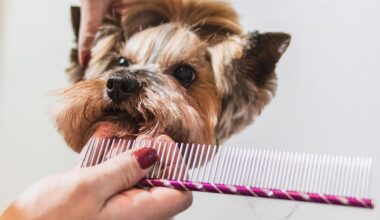
Each dog breed showcases distinct personalities, shaping how they are photographed. In specific classes, instructors often emphasize these differences to help aspiring dog photographers to refine their skills. Recognizing that a Shih Tzu may pose differently compared to a Labrador Retriever is essential for successful photography. Shih Tzus, with their elegant fur, might require controlled poses to highlight their lovely coats, while Labradors naturally exhibit playful energy. This acknowledgment ensures that photographers approach each session with tailored strategies for enhancing their subjects. Knowing the breed’s characteristics allows photographers to predict movements and set accordingly.” Understanding how to create a comfortable environment, with adjustments in light and props, contributes to the overall efficiency of each shoot. Factors such as comfort and safety should never be compromised during these sessions; thus, crafting an environment conducive to each breed’s disposition is essential for capturing the best moments. Furthermore, these unique approaches contribute significantly to the learning experience, making workshops enjoyable and productive. Understanding specific dog breeds ultimately enriches the photographer’s perspective and enhances their artistic capabilities. Connecting with these breeds allows for a more fulfilling photography journey.
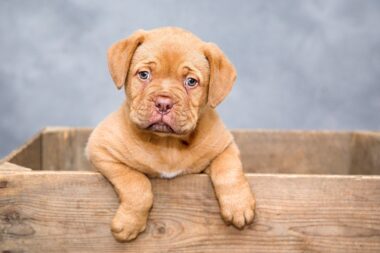
Another significant aspect of dog photography workshops is the teaching of technical skills relevant to various breeds. Each breed may require specific camera settings to achieve optimal results in pictures. For instance, large breeds can offer stunning action shots; therefore, utilizing fast shutter speeds is essential to avoid motion blur. On the other hand, smaller breeds might need different angles and perspectives to accentuate their unique features effectively. Photographers learn to master various techniques, including focusing, exposure, and composition, tailored specifically for the breed being photographed. The unique characteristics of dogs such as color variations, coat textures, and activity levels also influence the choice of background and props. Workshops typically provide tips ranging from selecting the right lens for different breeds to opportunistic shooting, ensuring photographers can adapt to their subjects without compromising the quality of their work. This technical foundation allows them to produce aesthetically pleasing photographs that resonate with viewers while also capturing each dog’s unique personality. Ultimately, gaining hands-on experience in a supportive environment prepares photographers for real-world situations when working with diverse breeds.
Post-Processing Tips for Breed-Specific Styles
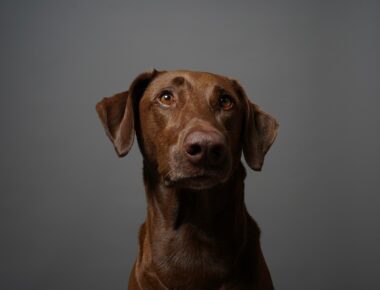
Post-processing plays a pivotal role in enhancing dog photographs. Learning how to edit photos effectively for different breeds is crucial, as each breed may demand unique styles to bring out its true essence. For example, breeds with rich, dark fur may benefit from adjustments in contrast and saturation to ensure their features aren’t lost against backgrounds. Workshops often introduce concepts covering various filters and editing software tailored to specific effects that suit the breed’s characteristics. Understanding how to adjust lighting and colors in post-processing can transform an average photo into a stunning portrayal that reflects the breed’s uniqueness. Additionally, instructors emphasize the importance of maintaining the natural look of each dog, steering clear of over-editing, which may detract from the photograph’s authenticity. This focus on preserving the breed’s identity is critical for ensuring that the viewer connects with the subject. Learning about crop ratios and the ideal aspect ratios is also valuable in enhancing images. Specific ratios can emphasize different aspects of a breed’s appearance, thereby supporting the photographer’s artistic vision while respecting the subject’s true nature.
In conclusion, dog photography workshops play an invaluable role in refining the skills of photographers who are passionate about capturing the beauty of dogs. The lessons learned about different breeds provide essential insights into the nuances of photographing each one. These workshops emphasize the need for photographers to adapt their techniques according to each dog’s personality, helping to create stunning portraits that tell a story. Moreover, the interactions between photographers and dogs create a joyful atmosphere, allowing for genuine moments that translate beautifully into photographs. The knowledge gained from engaging with various breeds and understanding their behaviors not only benefits photography but also fosters a deeper appreciation for canines. Photographers leave workshops equipped with skills that will serve them well in future sessions, leading to an increase in both their confidence and creativity. Ultimately, the combination of technical skills, breed understanding, and individualized approaches contribute profoundly to the art of dog photography. Aspiring photographers should actively seek out sourcing workshops that focus on breed-specific practices, enabling them to embrace this craft enthusiastically and artistically.
Finding the right workshop is essential for those wishing to immerse themselves in dog photography. Dedicated studios and seasoned instructors often host workshops that focus specifically on dogs, providing personalized guidance. These sessions give photographers opportunities to practice skills learned and receive constructive feedback from both instructors and peers. Many workshops also feature a diverse array of dog breeds to work with, ensuring participants can experience varying challenges and scenarios. Photographers can investigate local pet events or organizations, as many frequently arrange photography sessions showcasing different breeds. Additionally, online resources can provide information on workshops, enabling individuals to decide based on their geographical location or breed preference. Remarkably, some workshops even incorporate outdoor settings, allowing dogs to act naturally in their environments. This creates stunning visuals and enhances participants’ skills in adapting to unpredictable situations. Moreover, attending multiple workshops over time can be beneficial, often leading to improved techniques and expanded networks within the photography community. Ultimately, investing time in reputable workshops focused on dog photography can yield significant returns in skill and confidence. As enthusiasm for capturing dog imagery grows, so does the appreciation for their unique presence in our lives.
Finding the right workshop is essential for those wishing to immerse themselves in dog photography. Dedicated studios and seasoned instructors often host workshops that focus specifically on dogs, providing personalized guidance. These sessions give photographers opportunities to practice skills learned and receive constructive feedback from both instructors and peers. Many workshops also feature a diverse array of dog breeds to work with, ensuring participants can experience varying challenges and scenarios. Photographers can investigate local pet events or organizations, as many frequently arrange photography sessions showcasing different breeds. Additionally, online resources can provide information on workshops, enabling individuals to decide based on their geographical location or breed preference. Remarkably, some workshops even incorporate outdoor settings, allowing dogs to act naturally in their environments. This creates stunning visuals and enhances participants’ skills in adapting to unpredictable situations. Moreover, attending multiple workshops over time can be beneficial, often leading to improved techniques and expanded networks within the photography community. Ultimately, investing time in reputable workshops focused on dog photography can yield significant returns in skill and confidence. As enthusiasm for capturing dog imagery grows, so does the appreciation for their unique presence in our lives.