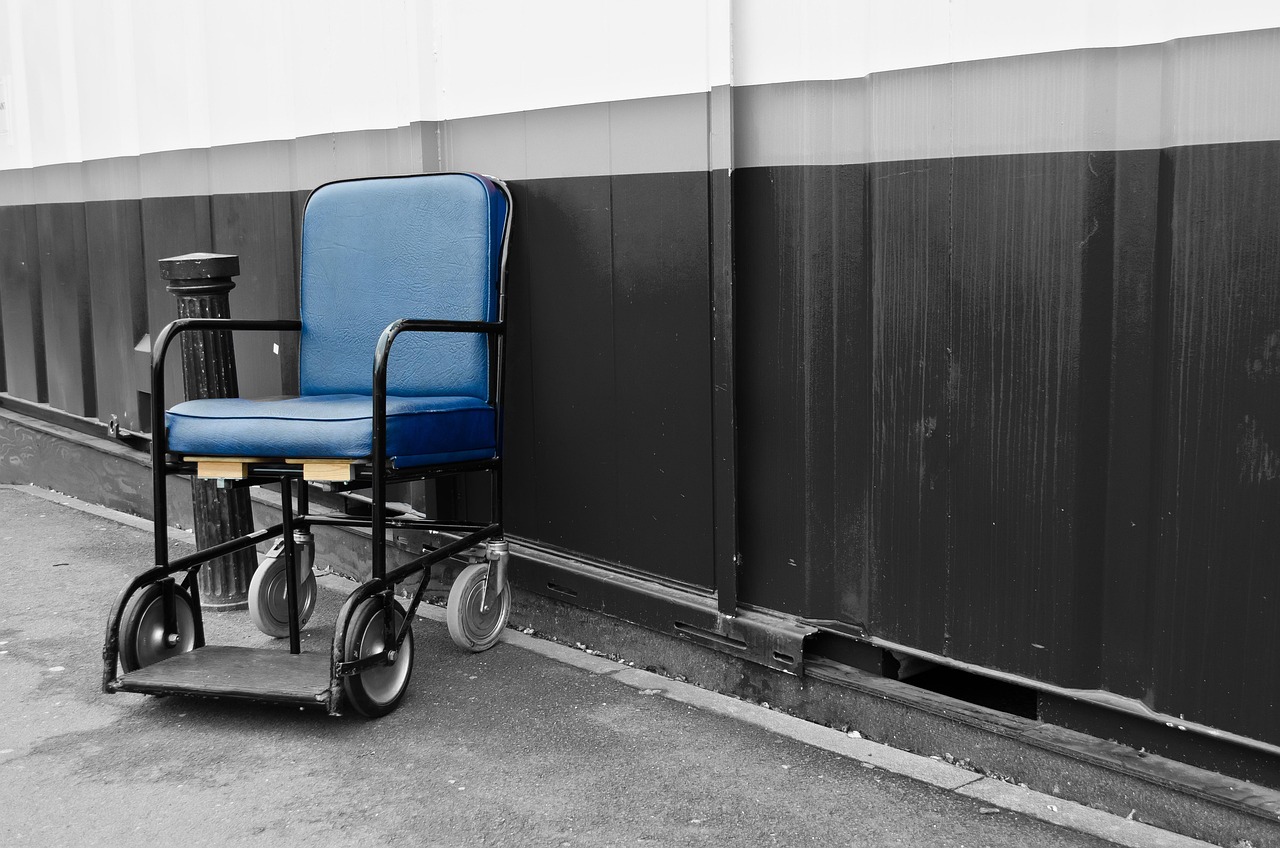

Assistive Devices to Help Disabled Cat Owners Care for Their Pets
For many, owning a cat brings joy and companionship. However, disabled individuals may face unique challenges when caring for their pets. Thankfully, there are assistive devices designed specifically for cat owners with disabilities. These devices can help to enhance the quality of life for both the cat and the owner. Innovative products make it easier for disabled individuals to interact and tend to their pets, ensuring that every cat receives the love and care it deserves. From ergonomic tools to specialized feeding equipment, these devices address common difficulties faced by disabled cat owners. For example, automatic feeders can simplify mealtime, while adjustable litter boxes can help minimize strain. The right tools ensure that cat care remains manageable, allowing owners to maintain their independence. Beyond physical convenience, these devices can also foster a stronger bond between the owner and the pet. Assistance with daily tasks promotes a smoother routine, promoting comfort for both parties. With mindful selections, disabled cat owners can find support, independence, and connection in caring for their feline friends, enriching their lives significantly.
Communication devices can serve as powerful tools for disabled cat owners. Utilizing technology like smartphones and tablets can enhance interactions. For instance, apps designed for pet care allow owners to schedule vet appointments, set reminders, and track medication schedules. Other devices may include user-friendly cameras to monitor cats’ behavior from afar, granting peace of mind. These assistive devices ease daily routines by helping disabled cat owners maintain steady communication with veterinary professionals. Additionally, community support networks can be incredibly beneficial for owners, connecting them with local resources—like cat care services. Online communities provide discussions on challenges and solutions among those with similar experiences. With technology, disabled cat owners can remain informed and supported while navigating pet care. Along with convenience, these devices promote safety, enabling the owner to keep an eye on their cat without the necessity of physical presence. This aspect of technology fosters a harmonious living environment for both the cat and owner, ensuring individuals feel in command of their lives and responsibilities. By embracing communication aids, disabled cat owners can enjoy companionship with their pets while managing their unique circumstances in daily life.
Mobility Aids for Cat Owners
Mobility aids, such as walkers or grab bars, can significantly impact the experience of disabled cat owners. These devices assist individuals in moving safely around their homes and allow them to perform vital tasks. With proper use, mobility aids ensure that owners can explore every corner, making it easier to interact with and care for their cats. For instance, using a walker with a built-in seat allows for rest breaks during routine tasks. This feature can help those who experience fatigue while managing their pet’s needs. Additionally, strategically placing cat essentials within easy reach can reduce the necessity to navigate difficult spaces. There are also specially designed harnesses for walking cats, offering support to both the owner and the pet during excursions. These mobility aids provide security and independence for disabled cat owners, allowing them to explore environments comfortably without worry. The combination of mobility aids and thoughtful home arrangements can help create a nurturing atmosphere for the cats. It ensures owners remain active participants in their pets’ lives, fostering a sense of belonging and fulfillment in caring for them.
Adaptive tools play a pivotal role in enabling disabled cat owners to provide optimal care for their pets. Products specifically designed with ergonomic principles make daily tasks easier and more accessible. For example, easy-grip food dishes prevent slips and spills during feeding, allowing for a smooth routine. Similarly, automatic litter boxes that clean themselves reduce the physical challenges of maintaining a litter area. These tools help owners focus on the joy of companionship instead of overcoming daily obstacles. Many adaptive tools also consider sensory impairments; bright colors or tactile features can provide visual and physical cues for pet essentials. Incorporating these tools into daily routines can bolster confidence in the abilities of disabled cat owners. Furthermore, promoting independence through adaptive tools encourages self-reliance, significantly enhancing the owner-pet bond. Such products enable owners to prioritize their pet’s well-being and nurture their love for cats. This culture of support, confidence, and adaptability fosters a healthier, happier environment for both the owner and cat, illustrating the importance of specially designed products in improving the quality of life for disabled individuals.
Smart Technology for Pet Care
Smart technology can transform the pet care experience for disabled cat owners significantly. Devices like smart litter boxes and pet feeders can alleviate many physical burdens associated with caring for cats. These gadgets use sensors to monitor litter levels and automatically dispose of waste, allowing for minimal human intervention. Similarly, smart feeders allow owners to schedule feeding times through an app on their smartphones, ensuring that cats maintain regular meal schedules without needing constant monitoring. These innovations provide both convenience and peace of mind for cat owners with disabilities. Moreover, smart cameras allow pet owners to check in on their cats remotely, confirming their well-being throughout the day. Additional integration with home technologies, like voice-activated assistants, can simplify tasks further, from feeding reminders to providing companionship through soothing sounds. The marry of technology and pet care highlights a dynamic shift in how disabled individuals can manage the tasks associated with their cats effectively. This integration promotes a nurturing living environment, reducing the physical toll of ownership and making caring for a cat more enjoyable. In this way, smart technology embraces both innovation and compassion in pet ownership.
Volunteer programs and community services offer essential support for disabled cat owners. Many organizations recognize the challenges these individuals face and provide resources tailored to their needs. These programs often connect volunteers with disabled cat owners who require assistance, enabling them to access help for daily tasks like feeding, grooming, or litter maintenance. The commitment of volunteers ensures that pet ownership remains achievable for everyone, regardless of physical limitations. Moreover, community support creates an environment of companionship that can be enriching for both parties. Disabled cat owners often find that volunteer interactions provide not only assistance but emotional support as well. Engaging with volunteers helps combat social isolation and fosters nurturing relationships between the pet and the owner. These services can empower individuals to embrace pet ownership with confidence, knowing they have a safety net in place. Information on local organizations can easily be found online, offering resources for those seeking assistance. By harnessing the collective goodwill of the community, disabled cat owners can find a network of support, allowing them to continue enjoying the benefits of cat companionship without overwhelming stress or anxiety.
Conclusion: A Balanced Approach
Ultimately, the integration of assistive devices and community resources creates a balanced approach for disabled cat owners. Ensuring that all essential tools and support systems are in place can significantly enhance the overall pet ownership experience. A thoughtful selection of adaptive devices simplifies daily tasks, while technological advancements make it possible to remain engaged with their cats responsibly. These combined efforts foster a strong bond between owner and pet, promoting mutual satisfaction and happiness. Additionally, community assistance through volunteer programs ensures that those in need are never alone in their journey. This comprehensive approach enhances not only the quality of care provided to cats but also the emotional well-being of their owners. Many disabled individuals discover that with the right tools and support, they can lead fulfilling lives by nurturing their pets effectively. Pet ownership should be a source of joy and companionship, not a burden. The continual development of new devices and resources confirms that society is moving toward inclusiveness. Supporting disabled cat owners enriches the lives of both owners and their furry companions, promoting a friendly coexistence filled with love and understanding.
Incorporating these devices and services into daily routines emphasizes the importance of community and innovation in enhancing the experience of cat ownership for disabled individuals. Empowering these cat owners reaffirms the notion that every cat deserves a loving home and dedicated care. The journey to responsible pet ownership should be accessible for everyone, regardless of their physical limitations. As society recognizes the unique demands of disabled owners, more resources and technologies will emerge, providing fresh opportunities and solutions to meet those challenges. This progress reflects a broader commitment to inclusivity and compassion within the pet ownership realm, ensuring that no one feels isolated or overwhelmed. With ongoing innovation in assistive products and community engagement initiatives, the future of cat ownership for disabled individuals appears more promising. All cat lovers, regardless of ability, can share in the wonders of companionship. Embracing a community-oriented mindset not only benefits disabled cat owners but enriches the entire pet owning experience. Hence, fostering environments of support and understanding cultivates a sense of belonging, demonstrating that everyone deserves the chance to care for a beloved pet. This nurturing atmosphere invites opportunity for continuous growth and development for all involved.