
Best Practices for Multi-Dog Exercise Sessions
Exercising multiple dogs together can be enjoyable, but it also requires careful planning and attention to safety. To ensure a successful and harmonious experience, it is essential to assess each dog’s individual temperament and exercise needs before beginning any group activity. This can help determine the best activities suited for all dogs involved. While some dogs thrive in a social setting, others may become overwhelmed or anxious in a group format. Be prepared to separate dogs if conflicts arise, ensuring everyone remains calm. Additionally, always keep leashes handy for when you need to gain control swiftly. Creating a structured exercise routine that incorporates basic commands can help maintain order. Implementing breaks is also crucial, allowing dogs to hydrate and rest periodically. Furthermore, remember to monitor the surrounding environment, ensuring no distractions might spark any issues. Use positive reinforcement to reward calm and appropriate behaviors during physical activities, contributing to a more enjoyable time for the dogs. In summary, exercise sessions need careful planning, patience, and an understanding of canine behavior to be successful and safe for everyone involved.
Choosing the Right Location
The right location is essential for successful multi-dog exercise, as it directly impacts safety and enjoyment. Opt for a spacious, enclosed area, such as a dog park or a fenced yard, to prevent any escapes or unwanted encounters with other animals or people. Familiarizing the dogs with the environment beforehand helps alleviate anxiety and boosts their confidence. Avoid tightly crowded spaces or busy neighborhoods, as they can be too stimulating and overwhelming. Ensure the area is free of hazards, such as sharp objects or toxic plants, to prevent injuries. Look for grassy surfaces instead of concrete, as grass is more comfortable for dogs to run and play. Choose a time when the area is less populated, so you have more control over the situation and can monitor the dogs closely. Bring along toys and water to engage your pets and keep them hydrated during play. Most importantly, pay attention to the unique needs of each dog, adjusting the environment and activities accordingly. Ultimately, the ideal location is critical for creating positive, stress-free multi-dog exercise sessions.
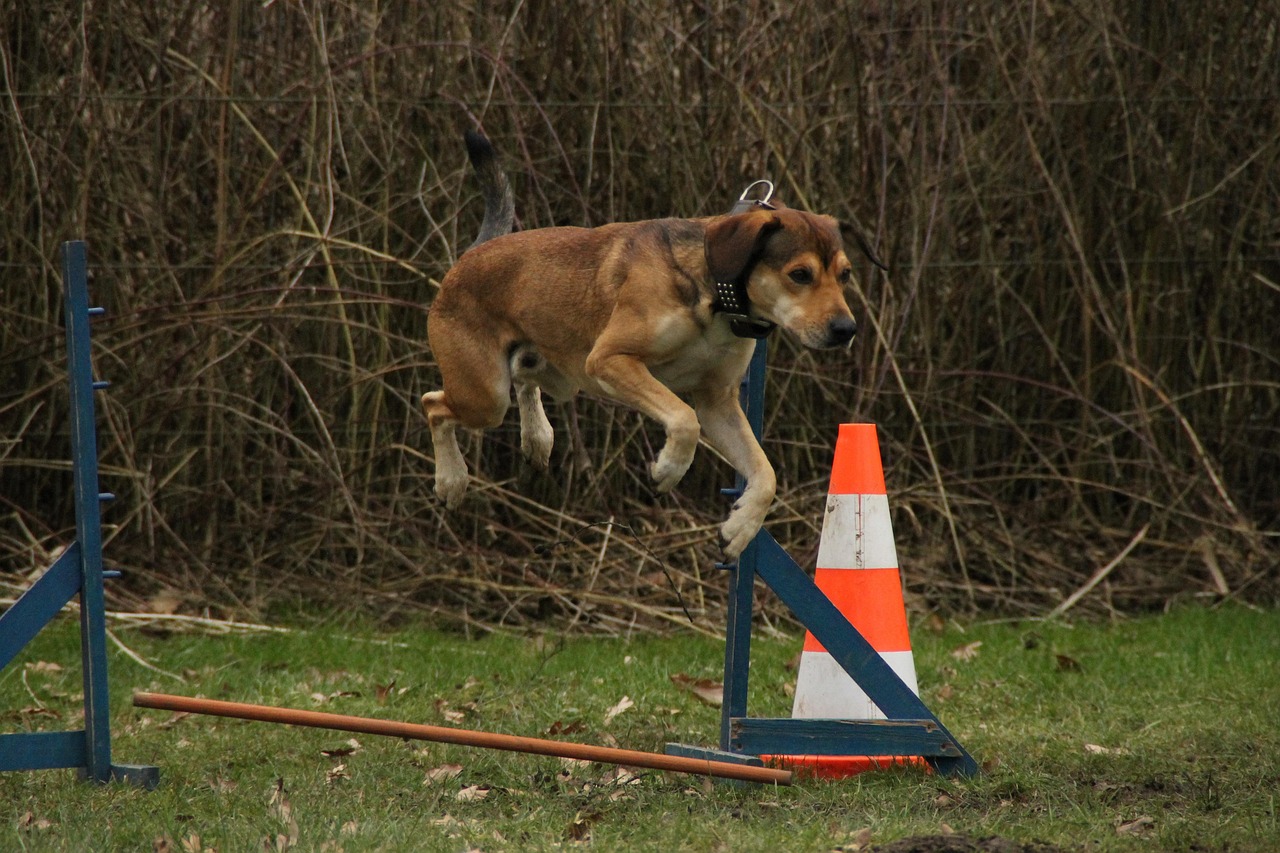
Establishing a routine is another effective approach to ensure the safety and enjoyment of multi-dog exercise sessions. Consistency helps dogs know what to expect and enhances their comfort levels during group activities. Create a schedule that incorporates regular exercise times, encouraging owners to participate together. This not only fosters a sense of community among dog owners but also reinforces socialization for the dogs involved. Familiarize dogs with their exercise partners gradually, introducing them in low-stress environments before engaging in more vigorous activities. Reinforce positive interactions with treats and praise, ensuring all dogs feel supported and confident. It can be helpful to group dogs with similar energy levels, as this will maximize engagement during play and reduce trepidation. Tailoring the routine to accommodate different exercise preferences, such as jogging, fetching, or agility drills, encourages each dog to participate in a way that suits them best. By establishing a consistent routine, dog owners can work together to create a stimulating yet safe atmosphere, ultimately benefiting both the canine and human members of the group.
Using Proper Equipment
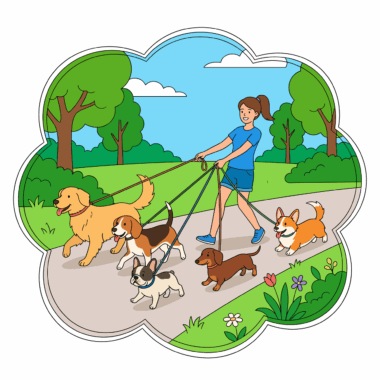
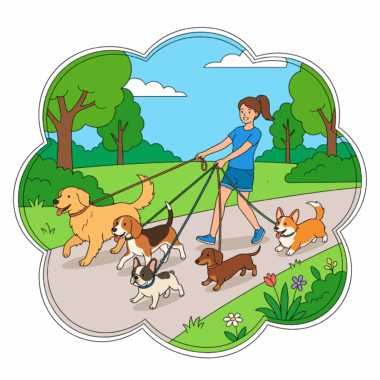
Proper equipment is crucial when engaging in multi-dog exercise sessions. When selecting gear, prioritize harnesses over traditional collars for better control and comfort. Harnesses spread pressure evenly across the dog’s body, reducing the likelihood of injury during enthusiastic movements. Ensure each dog is equipped with a distinct leash that allows for easy handling and visibility in a group. Opt for hands-free leashes or belts for those who want to maintain pace while handling multiple dogs, promoting your ability to assist if necessary. Additionally, consider using portable water bottles and collapsible bowls to keep all canine participants hydrated. Having toys like balls or Frisbees on hand can also stimulate play, enhancing interaction and engagement among the dogs. However, be mindful of introducing too many distractions, as they can lead to overexcitement or conflict. It may benefit you to have a first-aid kit available, just in case of unexpected injuries. Ensuring your dogs have the right equipment not only fosters accountability but also enhances the quality of exercise, resulting in a fulfilling session for everyone involved.
Positive reinforcement techniques can be highly effective when exercising multiple dogs. Implementing training strategies, such as offering treats or verbal praise, encourages desired behavior during group activities. Acknowledge calm behavior and positive interactions to create a happier and healthier social setting, reinforcing good actions throughout the session. Avoid negative reinforcement, as it may lead to fear or aggressive behavior, causing added stress. Instead, focus on establishing a solid foundation of trust and communication with all dogs present. Start with simple commands that each dog knows and gradually progress to more complex tasks as their confidence builds. Make training a fun game, ensuring each dog remains engaged despite their unique energy levels. Regularly challenging dogs mentally as well as physically is also beneficial. Incorporate problem-solving activities, such as scent games or interactive toys, to stimulate their minds while exercising. As dogs learn to trust their owners and their canine companions, it becomes easier to conduct a healthy and enjoyable exercise session that maximizes social play and exercise opportunities, enhancing their physical and emotional well-being.
Observing Body Language
Understanding and observing dog body language is essential in ensuring a safe and enjoyable multi-dog exercise session. By learning to recognize signs of stress, fear, or discomfort, dog owners can take necessary action before any issues escalate. Signs of a relaxed dog include a wagging tail, relaxed ears, and playful behavior. In contrast, a stiff body posture, growling, or excessive barking may indicate that a dog feels threatened or uncomfortable. If you notice this behavior, it may be beneficial to separate the dogs, allowing them to cool off and relax before reintroducing them gradually. Watch for signals that indicate a need for breaks, such as panting or disengaging from play. When dogs communicate effectively, they can successfully navigate social dynamics, ultimately fostering a positive atmosphere. Always intervene if you’re uncertain about a situation, as safety should always be the top priority, even if it means cutting a session short. By paying attention to canine body language, owners can help facilitate positive experiences that strengthen bonds between dogs while keeping everyone safe and happy.
In conclusion, successfully exercising multiple dogs requires a combination of preparation, observation, and adaptability. Understanding each dog’s unique needs is critical, from temperament to energy levels, allowing for a tailored exercise experience. By establishing a structured routine, selecting the right location, and utilizing appropriate equipment, dog owners can create a safe and enjoyable environment for all participants. Utilizing positive reinforcement techniques helps promote trust and creates a fun atmosphere, while keenly observing body language assists in managing potential conflicts. Sharing the responsibility of exercising together not only benefits dogs physically but also fosters socialization among owners. Lastly, prioritizing safety and well-being throughout sessions reinforces successful outcomes, ultimately contributing to the overall health and happiness of each dog. Ultimately, your dedication and commitment will determine the outcomes of multi-dog exercise sessions, and with proper planning and an understanding of dog behavior, everyone can have a wonderful time. Happy exercising!
Emergency Preparedness
Being prepared for emergencies in multi-dog exercise sessions is essential for securing the safety and well-being of all participants. Having an emergency plan allows each owner to know how to react quickly and effectively if an unexpected situation arises. Ensure that all participants have current identification tags and microchips, facilitating a quick recovery if any dogs wander off or become lost. Familiarize yourself with basic canine first aid techniques to address minor injuries during exercise. Knowing the location of the nearest veterinary clinic is also helpful in case of emergencies, reducing stress and improving response time. If possible, carry a few essential items in a first aid kit, such as antiseptic wipes or gauze, to address minor injuries quickly. Communicating the emergency plan to all participating owners fosters a sense of teamwork and accountability, ensuring everyone is on the same page. Preparing for potential emergencies helps all participants feel more secure and confident during group exercise sessions. By proactively addressing potential issues, dog owners create a safer environment for every canine companion involved.