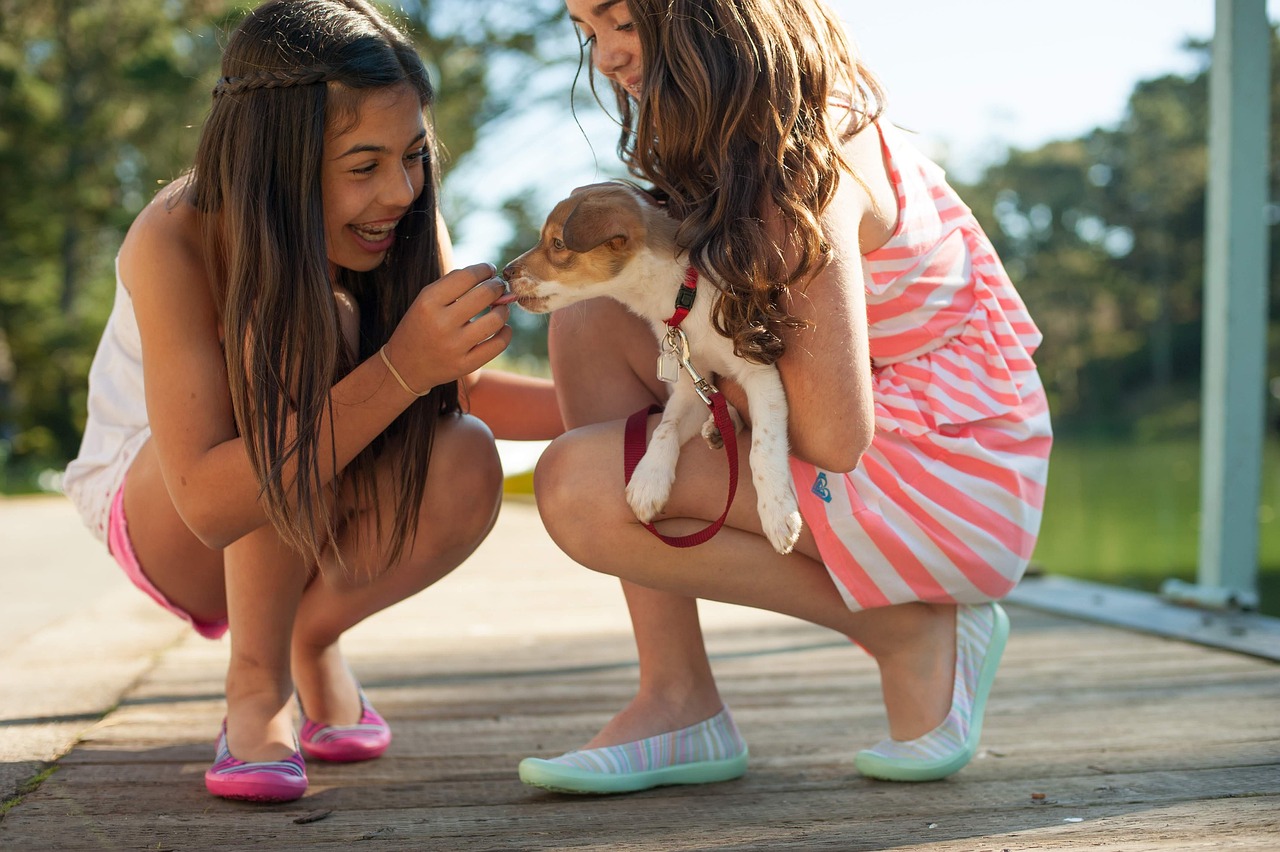

Leash Laws and Children: Teaching Kids About Dog Safety
Navigating leash laws is essential for ensuring safety when kids interact with dogs. The importance of teaching children about these laws cannot be overstated. When children understand that dogs must be on a leash, they become more aware of their surroundings. Explaining why leash laws exist helps kids develop respect for animals and others around them. Leash laws vary significantly across different regions, so parents should educate their children about specific local regulations. This knowledge fosters responsible behavior in children, leading them to advocate for responsible pet ownership. Making learning about dog safety a fun and interactive experience can be effective. Engaging children with activities teaching them about the proper way to approach animals can promote positive interactions. In addition, the family can visit local parks to observe examples of the laws in action. Talking about leash lengths and types of leashes can deepen their understanding. It’s also critical to explain the consequences of ignoring leash laws. Encourage children to always ask permission before approaching dogs, reinforcing the point that not all dogs are friendly. This approach equips them to navigate social settings safely.
Understanding the Importance of Leash Laws
Leash laws are in place to protect both dogs and the community, highlighting their importance in public spaces. Children should learn that not every dog is familiar with them, meaning unexpected encounters can lead to misunderstandings. Teaching kids about these laws also fosters empathy towards animals and their owners. It is important for children to understand that some dogs may feel threatened if approached without permission. This understanding can prevent unwanted incidents and promote a harmonious interaction between pets and people. Parents should lead by example, adhering to leash regulations during walks, showcasing responsible pet ownership. By witnessing their parents following the rules, children learn the significance of compliance. Safety discussions should also encompass how leash laws vary across different environments. Urban settings may enforce stricter guidelines than rural areas, so awareness is crucial while visiting new places. Families can use maps to identify parks with leash regulations, creating an educational adventure. Furthermore, instilling a sense of responsibility in children encourages them to remind their peers about leash laws. This proactive approach cultivates changing behaviors and positively impacts the community safety ethos.
Promoting dog safety includes understanding proper leash handling techniques, crucial for protecting children during dog encounters. Children often feel excited and eager to interact with dogs, making it essential to teach them how to do this safely. Teaching kids the correct way to hold a leash can mitigate risks of losing control. Using a secured, short leash helps ensure children maintain a safe distance from unknown dogs, preventing their over-excitement from leading to unwanted behaviors. It’s helpful to demonstrate techniques through role-play, where one person acts as the dog. Practice situations where kids can see how to keep a steady grip while approaching a dog. Furthermore, create scenarios for them to practice how to communicate with both owners and dogs. For instance, children should learn to stand still so dogs can approach at their comfort level. Address the importance of paying attention to a dog’s body language, explaining signs of happiness, fear, or stress. Reinforcing this knowledge allows children to assess whether it’s safe to interact. Providing children with real-life examples can deepen their understanding, fostering a safer environment during outdoor activities.
Creating Safe Spaces for Dogs and Kids
Creating safe spaces for children and dogs significantly enhances their interactions. Parents must actively seek places that adhere to leash laws to ensure safety. Dog parks are a great example but require close supervision and an understanding of leash policies. Children should learn to identify dog-friendly areas versus restricted zones. Engaging with community resources can highlight where these spaces exist, ensuring compliance with local regulations. Teaching children to respect signage at parks emphasizes the importance of observing dog-owner boundaries. This learning extends to understanding why some dogs may need extra care or socialization. Explain to kids that some dogs are still learning leash manners and may not react favorably during play. Highlighting the difference between trained and untrained dogs informs children about potential risks. Encourage kids to maintain a respectful distance from unfamiliar dogs, advocating for a culture of safety. It’s vital for parents to model this behavior by always managing their pets responsibly. Taking regular trips to safe spaces can be invaluable, reinforcing dog etiquette while enjoying time outdoors. Involving children in evaluating public areas can also ignite their curiosity along with responsibility.
Understanding how to respond to various dog behaviors is crucial for ensuring children’s safety. Teaching kids about different dog temperaments fosters respectful and mindful interactions. Explain how some dogs may bark, growl, or show aggression. By recognizing these warning signs, children can learn how to adjust their behavior. Knowledge around dog behavior isn’t only applicable to strangers; children should also learn to assess their own pets. Encourage kids to observe their dog’s mood, recognizing when they may feel threatened or anxious. Practicing scenarios, such as walking near other dogs, can help reduce anxiety over real encounters. Teach them the importance of staying calm and not running away, as sudden movements might provoke a chase. Reinforce the idea of checking with the dog owner before approaching their pet; this builds mutual respect between families. This educational aspect serves children for life, imparting critical learning that extends beyond immediate situations. Remember, safety discussions must include how to react if a dog approaches them unexpectedly. Role-playing these scenarios can provide children with the necessary skills to respond confidently without panicking, enhancing their safety during interactions.
Encouraging Dialogue About Dog Safety
Encouraging open dialogue about dog safety among children helps cultivate awareness and understanding. Parents should frequently discuss leash laws during family activities, emphasizing their importance logically and empathetically. Meals or story times can foster discussions, making safety protocols part of daily routines. Parents can ask children what they observe while walking the dog: Are other pet owners compliant? Observing these behaviors can reinforce positive actions. Creating a safe space where children feel comfortable expressing concerns about dogs can also enhance their understanding of pet behaviors. Discussing experiences involving dogs they may have encountered can facilitate further learning, allowing children to reflect on appropriate behavior. Turn these conversations into opportunities for teaching. Reading books about dog safety together can create a shared experience beneficial for learning. Moreover, exploring online resources or community workshops on dog safety can engage families in responsible pet ownership. Parents should also remind children that some dogs aren’t as friendly or approachable, reiterating why permission matters before interacting. This repetition builds positive habits and instills a sense of responsibility while navigating outdoor environments with dogs.
In conclusion, equipping children with knowledge surrounding leash laws fosters a culture of safety and responsibility. Understanding dog behavior, leash rules, and appropriate interactions encourages positive engagement. Through consistent education, children learn respect not only for dogs but also for pet owners and the general community. Parents play a critical role in modeling responsible behavior while providing guidance. The growth experienced from outings enhances interactions with dogs for kids and reinforces leash regulations effectively. Schools and community centers can support this initiative by offering informative programs emphasizing the importance of responsible dog ownership. Utilizing these resources can create a shared responsibility for keeping communities safe and enjoyable for all. Ultimately, the key takeaway is the continued emphasis of teaching children the importance of leash laws and respectful engagement with pets. By building responsible communities, we cultivate environments that protect children alongside animals, creating lifelong habits of safety. It is essential to ensure every child feels empowered and safe, equipping them with the skills necessary for respectful pet interactions. Parents and guardians should commit to these discussions regularly, developing a culture of awareness, respect, and shared responsibility.