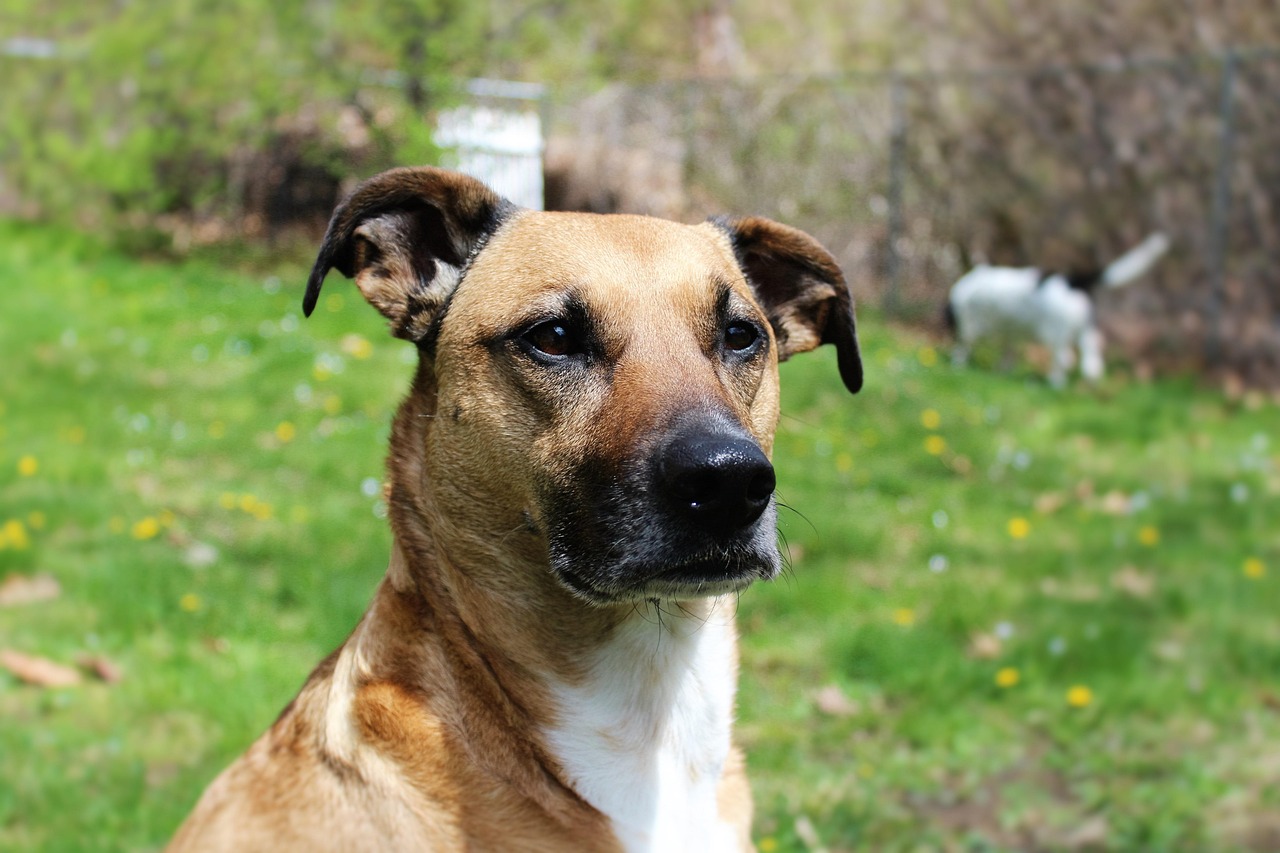

Mental Stimulation for Rescue Dogs: Helping Them Adjust and Thrive
Mental stimulation is crucial for rescue dogs as they often face unique challenges adapting to their new environments. A dog’s background may involve neglect or abuse, making their adjustment period vital. Engaging their minds through interactive games can significantly help reduce anxiety and behavioral problems. Dogs inherently need physical and mental stimulation to thrive, enhancing their emotional well-being. By providing a variety of games, you are not only enriching their lives but also establishing a strong bond. Consider incorporating puzzle toys that reward them with treats, encouraging ingenuity. Furthermore, simple tasks such as hide-and-seek with their favorite toy can stimulate both mind and body. Training new commands can also be rewarding, fostering a sense of achievement. Utilizing grooming time for training can boost their confidence while deepening your connection. Remember, a tired dog is a happy dog, so keep their minds working to curb boredom behaviors. Use regular playtime to build trust and reinforce your relationship. Adapting these mental stimulation techniques will ensure that your rescue dog adjusts well and leads a happy, fulfilling life.
Engaging Games for Rescue Dogs
When considering mental stimulation games, it’s important to focus on activities that suit your dog’s individual needs. Rescue dogs may have varying levels of anxiety and confidence, so tailor these activities accordingly. Start with basic obedience training, which not only sharpens their mental skills but also establishes a routine. Incorporating agility courses can be both challenging and exciting for your dog. Set up simple obstacles at home, encouraging your pup to navigate them. Rotating through different toys occasionally brings novelty; try offering interactive toys, which require problem-solving skills. Fetch variations can be adjusted by introducing different objects like frisbees or balls, ensuring excitement during playtime. Additionally, scent-tracking games allow them to utilize their strong olfactory abilities, hiding treats around the home encourages their natural instincts. Engage them using nice rewards for successes, which boosts confidence, reinforcing positive behavior. Most importantly, remember to keep sessions short yet engaging, as endurance may vary among rescue dogs. Finally, patience and understanding go a long way in helping your dog feel secure and cherished while exploring these games.
The Importance of Routine
Creating a structured routine plays a significant role in the mental well-being of rescue dogs. They thrive on predictability, which helps alleviate anxiety and provides a sense of safety. Establish regular feeding times, walks, and play sessions to instill a sense of normalcy and security. Schedule active hours followed by relaxation periods to foster a healthy balance. This makes your dog less susceptible to stressors and enhances their overall happiness. Consistent routines allow both you and your dog to develop mutual understanding, easing communication and learning. Be sure to integrate interactive games into these routines; this variety avoids monotony. Consider using food puzzle toys in their feeding routine to engage their minds further. Simple training sessions can also become a joyful part of their schedule, reinforcing good behavior while providing mental stimulation. Introduce new commands or tricks weekly, keeping stimulation fresh and exciting. Remember to celebrate their achievements, reinforcing their trust in you. Moreover, don’t shy away from setting boundaries: clear expectations help them feel secure within their environment while they navigate their adjustment period.
Socialization is another critical aspect of a rescue dog’s adjustment and mental health. Regular interactions with other dogs provide cognitive benefits and emotional satisfaction. Aim for controlled meet-and-greets to ensure a comfortable environment. Start with neutral territory, like parks, which can introduce new social experiences. Personalize these introductions based on your dog’s comfort level; some may need time away from an overly energetic companion. Additionally, enrolling in dog parks or group training classes can positively impact their acclimatization process while offering engaging activities. These social settings help develop crucial skills, teach doggie etiquette, and provide endless mental enrichment. Remember, supervision is necessary as every encounter does not guarantee a positive experience. After socialization, engage your dog with fun games to reinforce social bonds developed. Praise and treats can help build your dog’s confidence during these moments. Also consider planned playdates with familiar dogs to ease anxiety, creating memorable and positive experiences. Ensuring a safe and enjoyable environment will not only enhance their social skills but also strengthen your relationship over time.
Adapting to Changes in Environment
Rescue dogs often face rapid changes in their environments, which can increase stress levels. To mitigate this, ensure their surroundings remain consistent yet enriching. Include familiar items like their favorite blankets or toys to provide comfort during the adjustment phase. Gradually introducing new spaces offers cognitive stimulation while easing the transition. Explore your home or yard, allowing them to familiarize themselves with the area at their own pace. Spatial enrichment within your home can be accomplished by providing visual stimuli such as windows they can observe through. Mobile games can also be beneficial; change the location of toys occasionally, encouraging cognitive exploration. Outdoors, exploring diverse environments—like local parks or hiking trails—constructs a stimulating adventure while allowing them to discover scents. Use these experiences to bond further and reinforce trust in you. Rule out overwhelming situations by monitoring their behavior and keeping sessions short if needed. Empower your dog through small victories during outdoor activities, creating powerful confidence boosters. Adapting these environmental factors promotes a positive demeanor in your rescue dog, making them more resilient to future changes.
Understanding Your Dog’s Behavior
A critical aspect of effective mental stimulation for rescue dogs is understanding their unique behaviors. Observing their responses during interactive games can reveal underlying issues or preferences. Notice during training when they seem disinterested or confused; this is an opportunity for you to shift your strategy. Every dog has different stress triggers—external noises, sudden movements, or unfamiliar objects might cause distractions. Evaluate their body language to gauge comfort levels; a wagging tail shows excitement, while a tucked tail suggests fear. Thoroughly analyzing these signs can help tailor games and training methods to suit their needs better. Pay attention to your dog’s engagement during activities: some might prefer puzzle games, while others enjoy scent work. Regularly assessing their emotional state prevents pushing them into discomfort and ensures a positive experience. Incorporate these observations into your daily routine, working on building their confidence and willingness to engage. This understanding further strengthens your bond, establishing a trusting relationship founded on security. A passionate commitment to these learning experiences guarantees your dog thrives mentally and emotionally.
Conclusion: A Happy and Stimulated Dog
In conclusion, mental stimulation is essential for helping rescue dogs adjust to their new lives. Through various interactive games, the effects of mental engagement are profound, leading to happier and more balanced behaviors. Develop a structured routine that incorporates playtime, training, and socialization, allowing them to thrive emotionally and cognitively. Understanding rescue dogs as individuals, we can address their unique challenges while using playful methods for training and social engagement. Establishing exploration of their new environment ensures a smoother transition while stimulating their senses. Create exciting experiences that lead to better stress management, increased confidence, and a deepened bond. Furthermore, utilizing puzzle toys and interactive games fosters problem-solving skills while nurturing trust between the owner and the dog. Focus on patience and observance: adjusting mental stimulation activities based on your dog’s responses creates a fulfilling journey for them. As you nurture a meaningful relationship, remember the importance of providing a safe space where your dog can happily explore their potential. The result is a happy, engaged, and well-adjusted rescue dog, enhancing both your lives.