
Morning vs Evening Exercise Routines for Cats
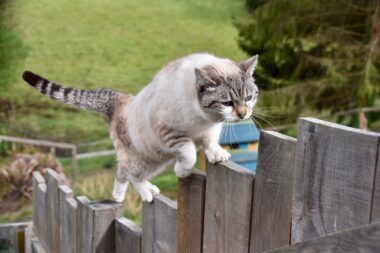
Understanding the ideal times for cat exercise can greatly enhance their health and well-being. Morning routines tend to be energetic, coinciding with a cat’s natural instinct to hunt. Early morning playtime can involve interactive toys, laser pointers, or feather wands, providing mental stimulation and physical activity. Utilizing these tools can inspire agility and alertness, ensuring your feline starts the day energetically. Cats usually have heightened activity levels at dawn due to their instincts, making mornings perfect for engaging them in play. Regular morning sessions can aid in weight management and prevent health issues. Engaging activities like these can also foster a bond between you and your cat. Additionally, considering your cat’s current health and age is important when determining the right exercise intensity. Varied morning exercises enhance their daily routine, making them more dynamic and interesting. Challenges according to your cat’s ability will help maintain their enthusiasm. A structured morning routine can also create a sense of stability for your cat, which is essential for their emotional well-being. Keep a consistent schedule to maximize the benefits of morning exercise for your feline friends.
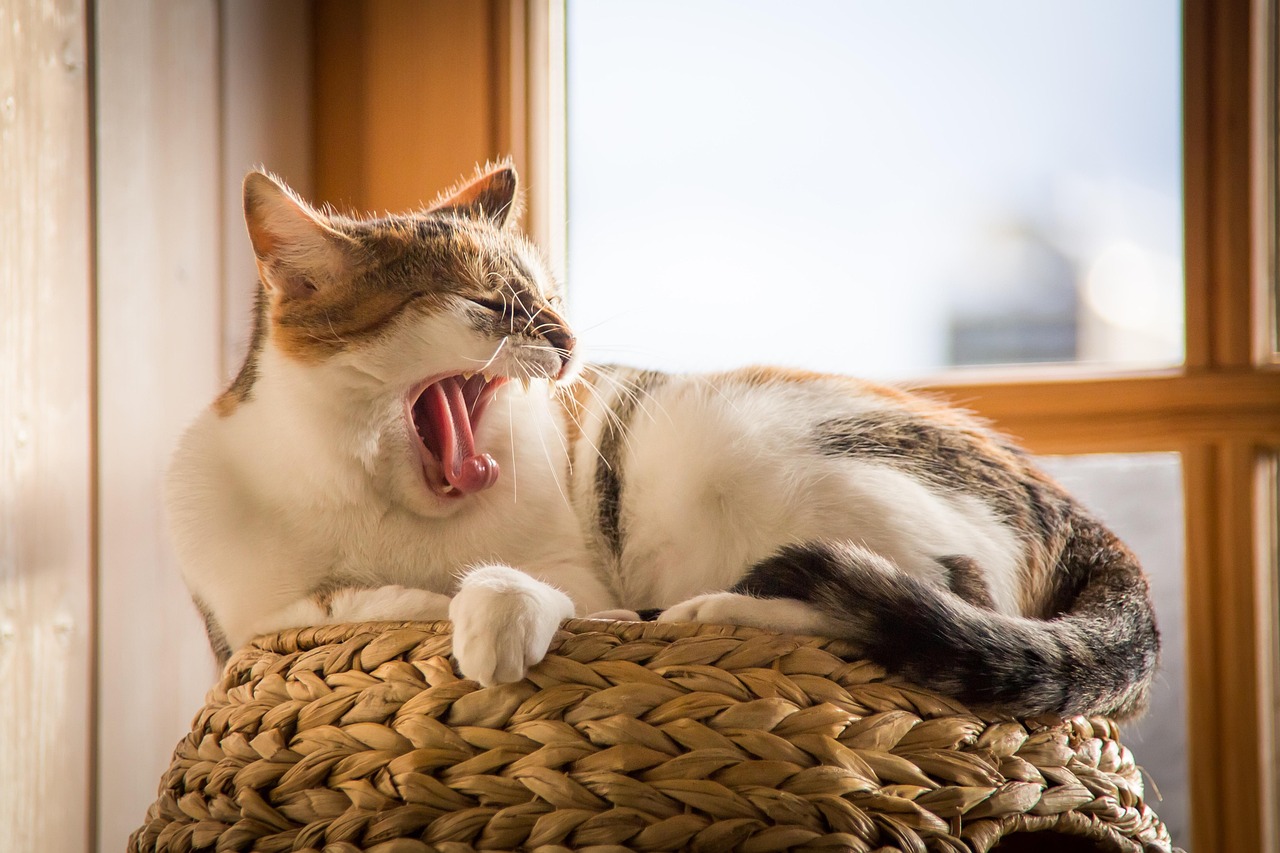
Evening exercise routines for cats are equally important and can be just as engaging. After a long day of relaxation, many cats become more playful at dusk. By the evening, providing stimulation can harness that energy effectively, allowing your cat to unwind after their nap time. Interactive play sessions can include using toys that replicate hunting behaviors, such as crinkle balls or battery-operated mice. Evening exercise can be a great way to prepare your cat for bedtime, encouraging calmness before sleep. This can also help alleviate excess adrenaline that might cause restlessness during the night. Incorporating short bursts of playtime followed by periods of gentle brushing can be beneficial. Evening sessions can help set boundaries for your cat’s behavior during the night. Having a dedicated space for these activities can further help your cat understand when it’s time to play. Remember that varieties in evening exercises will keep your cat interested. Provide them with access to scratching posts and climbing structures. These activities stimulate their natural instincts while also promoting overall health, ensuring they get the exercise needed for a happy, healthy life.
Comparing Morning and Evening Activities
Both morning and evening exercises serve distinct purposes and can be incorporated into your cat’s routine for balance. Morning routines can be seen as energy-boosting sessions to kickstart their day. They engage them actively, while evening routines may focus on winding down before bed, helping to establish a calming pre-sleep state. Each routine affects your cat’s behavior throughout the day and night cycles. Integrating both types of activities ensures your cat’s physical and mental needs are met, fostering a healthy lifestyle. The key is to assess your cat’s energy levels and preferences. Some cats may prefer the lively engagement of morning sessions, while others may thrive during quieter evening playtimes. Maintaining consistency makes a huge difference in your cat’s adaptability to the routine you set. Choosing specific toys suitable for either to encourage their natural instincts is essential. These exercises can be varied weekly to add excitement to their routine. Don’t forget to monitor your cat’s response to each session. Keeping an eye on their physical condition can help you adjust the intensity and duration as needed.
Establishing a routine that optimally fits your cat’s lifestyle can greatly enhance their experience. Many factors, such as age, health, and personality type, play a role in determining the ideal exercise times. For instance, older cats may prefer shorter sessions filled with less intense activities, benefiting from low-impact options like slow-played fetch. Conversely, younger cats tend to have bursts of energy, and they may thrive more with high-energy toys during either morning or evening sessions. Hence, paying attention to their preferences allows you to tailor activities specifically designed to keep them engaged. Establishing set times for these sessions also helps to instill a sense of security. Consider introducing new exercises progressively instead of overwhelming your cat with changes. That way, they can adapt to new experiences with confidence. Along the same lines, observe how your cat interacts with you during different exercises. This observation will lead to an interactive bonding time, combining physical activity with emotional connection, fostering trust and companionship. Such exercises can also promote desirable behaviors, reducing the likelihood of nocturnal disturbances and unwanted behaviors stemming from excess energy.
Equipment and Toys for Cat Exercise
Choosing the right equipment and toys can make a significant difference in your cat’s exercise routines. The variety can cater to their instincts and preferences, encouraging them to remain active. Popular options include laser pointers, feather wands, and interactive toys like puzzle feeders, which challenge them mentally while promoting physical activity. Cats are natural hunters, so toys that mimic prey movements are invaluable. Consider texture and noise because many cats are attracted to crinkly sounds or feathered textures which add excitement. Rotate the toys regularly to keep their environment stimulating. Avoid toys that can break easily or pose a choking hazard. Always monitor playtime to ensure safety. Simple household items like cardboard boxes can also serve as great entertainment. They can explore, jump in, and hide, satisfying their curiosity. Enhance engagement by providing spaces to climb and scratch. Cat trees or shelves can offer superb outlets for both physical exercise and natural instincts. Furthermore, providing spaces that replicate their wild habitats, such as climbing structures or tunnels, will allow them to embrace their playful nature. Enhanced engagement through imaginative toys can promote fitness and mental stimulation within your cat’s daily routine.
Regular engagement with your cat through both morning and evening routines fosters a deeper bond. Tailoring activities to their preferences enhances their physical fitness and provides emotional benefits. Observing their preferences allows you to adjust routines while maintaining their enthusiasm. Cats thrive on predictable schedules, so ensuring consistency in timing helps them learn what to expect from your interactions. Also, consider including treat rewards during playtime, reinforcing positive behavior and making activities more enticing. Make sure to spread out play sessions throughout the day to prevent boredom and maintain mental stimulation. Cats love variety, so mixing engaging exercises keeps them excited about each session. Furthermore, keeping track of their reactions to daily exercises can help you identify their preferred times, which enhances their satisfaction and leads to better health. Lastly, create a peaceful environment to transition from playtime to quiet time when needed. Implementing simple calming techniques such as soothing music or dim lighting can make winding down easier. Once they associate playtime with fun and positive experiences, your cat may be more eager to participate in future activities, strengthening your connection while improving their overall well-being.
Final Thoughts on Cat Exercise
In summary, establishing regular morning and evening exercise routines is vital for your cat’s health and happiness. These activities foster a stimulating environment, offering both physical and mental stimulation which is beneficial at any age. Monitoring your cat’s energy and activity levels guides how to tailor their experiences. Keep an eye on their response to each play session, adapting routines based on their preferences and reactions. Further, utilizing a variety of toys enables them to express their natural instinct while ensuring continual engagement. Don’t underestimate the importance of emotional bonding through play, which helps build trust and companionship between you and your cat. Allowing them to explore different activities encourages learning. Adhering to a consistent schedule not only reinforces security but can also enhance your relationship with your feline friend. Lastly, remember the significance of incorporating rest and relaxation between exercise sessions for balanced routines. Developed properly, these habits lead to happier, healthier cats. With dedication, you can significantly enhance their quality of life, creating an enriching partnership filled with fun, companionship, and excitement for both you and your beloved cat.
This concludes the article on different types of exercise routines for cats. By exploring both morning and evening sessions, you can create a comprehensive activity plan that enables cats to thrive.