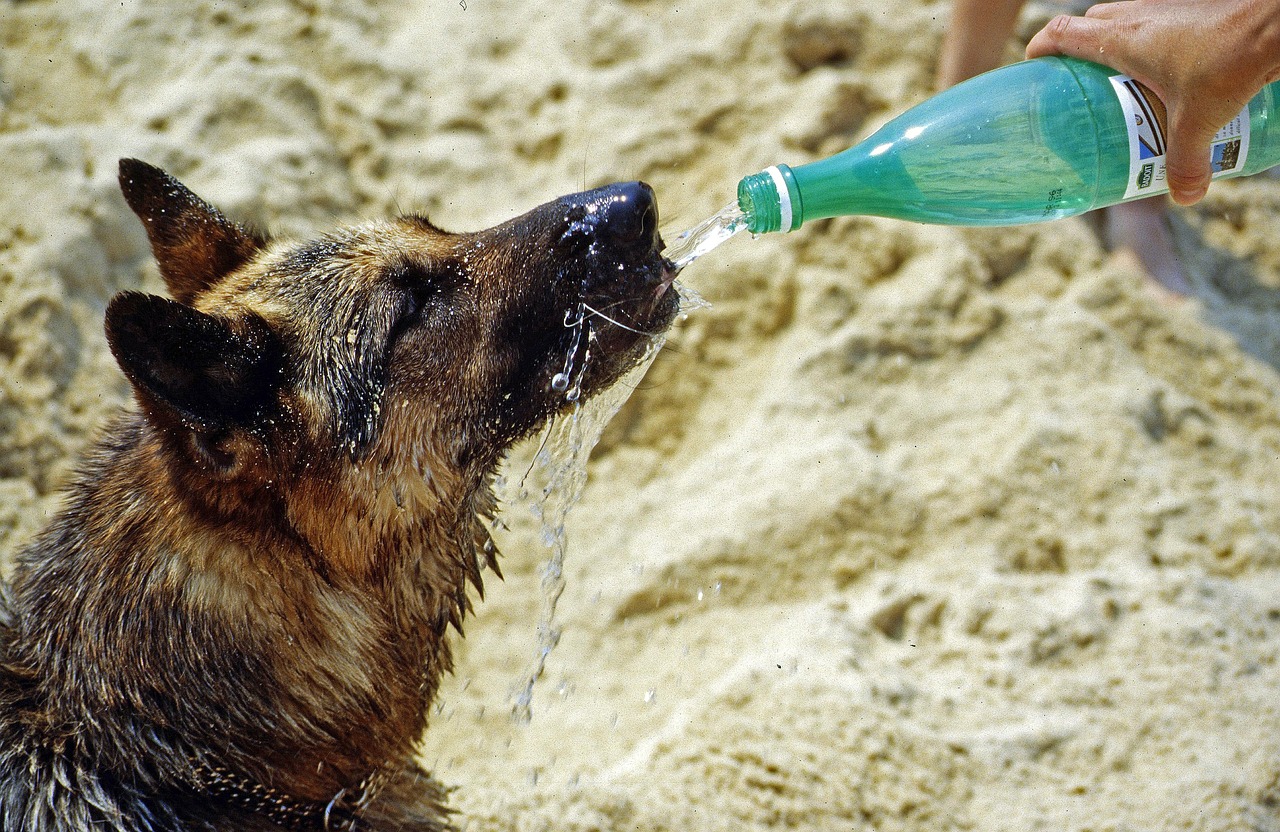

Recognizing Symptoms of Heat Stress in Your Dog
Heat stress is a serious condition that can affect dogs, particularly during the hot summer months. It is essential for dog owners to recognize the symptoms early, as prompt action can save a pet’s life. Common signs include excessive panting, drooling, and weakness. If you notice your dog acting lethargic or unresponsive in hot conditions, it may be a warning sign. Furthermore, observing the dog’s breathing becomes crucial, as rapid or shallow breaths indicate distress. Additionally, pay attention to their heart rate; elevated heartbeats could suggest overheating. If your dog begins to vomit or has diarrhea, it could signal heat stress, leading to dehydration. Keep in mind the breed of your dog, as brachycephalic breeds such as Bulldogs and Pugs are more prone to heat-related issues. During walks or outdoor play, always ensure your dog has access to water and shade. Avoid strenuous exercise during peak heat hours, which typically occur between 10 AM and 4 PM. If symptoms persist, consult a veterinarian immediately to assess the situation and provide care.
Prevention is Key
Preventing heat stress is vital to ensuring your dog’s health and safety. During hot weather, monitor the temperature and humidity before taking your dog outside. Generally, if the temperature is above 85°F, be cautious about prolonged exposure. On the dog’s walk, opt for early mornings or late evenings when it’s cooler outside. Providing fresh water often is essential, especially after exercise. Always carry water and a portable bowl to avoid dehydration during outings. In addition, consider using a cooling vest or bandana that can lower your dog’s body temperature. Keep your dog indoors in a shaded area or air-conditioned home during extreme heat. Design a cozy spot in a shaded area of your backyard for outdoor activities. Remember, dogs can’t regulate their body heat as effectively as humans; they rely on panting and behavior changes to cool down. Look for signs of discomfort, such as finding a cool spot to lie on or showing reluctance to move. Always prioritizing your dog’s comfort will significantly contribute to preventing heat-related issues.
The risk of heat stress increases for dogs that suffer from obesity or have underlying health issues. Regular check-ups with your veterinarian can help you monitor your dog’s health status. If you notice any fluctuations in weight or energy levels, it may be time for a consultation. Understand the breed’s characteristics as well; some are naturally more susceptible to heat. For instance, dogs with thick coats may retain more warmth and need extra attention during high temperatures. Conversely, short-haired dogs may not tolerate cold as well. In addition to monitoring body weight, maintain a healthy diet suitable for your dog’s specific needs. Proper nutrition contributes to an overall robust immune system that enhances heat tolerance. Adequate exercise should be a part of your dog’s routine, but tailor it to the season and temperature. Incorporate water sports during summer heat, such as swimming, which is often more enjoyable and safer. Create a daily routine that accommodates the weather while ensuring your dog remains active and healthy.
Identifying Severe Symptoms
Severe heat stress may escalate into heatstroke, a life-threatening condition. Knowing the signs that indicate a severe state becomes necessary for every dog owner. If your dog exhibits confusion or tries to escape from normal surroundings, take this as a warning. Gums may become bright red at first, eventually turning pale or bluish in more severe cases. A dog brewing heatstroke may also experience seizures or loss of consciousness. If you believe your dog might be suffering from heatstroke, it’s critical to seek emergency veterinary care immediately. While waiting for help, take action by moving your dog to a cooler environment. Start cooling them down gradually using cool (not cold) water; apply it to their body while ensuring their head remains elevated to prevent choking. Never use ice or extremely cold water, as it may shock their system. Also, give them small amounts of water to drink if they are responsive. This initial emergency care can make a significant difference in their chances of recovery.
Post-recovery care for dogs that experience heat stress is equally vital for their well-being. Once a dog shows recovery signs, ensure they remain indoors or in a shaded area for proper monitoring. Gradual re-introduction to outdoor activities should only occur after consulting with a veterinarian. It is essential to keep an eye on their hydration levels, as they may still be vulnerable to dehydration after an incident. Carefully observe their behavior to ensure they show no signs of distress or recurrence of symptoms. Provide them with a comfortable place for rest and increase the frequency of short walks in the early mornings. Regularly engage with your dog without pushing their limits, allowing them to dictate the pace during recovery. Additionally, educate everyone in your household about heat stress symptoms and prevention strategies, promoting a safer environment for your furry friend. Aim to create a supportive atmosphere that prioritizes their health; consider making a checklist for outings that includes hydration reminders and safe play areas. This proactive planning can significantly reduce future risks for heat stress.
Conclusion
Recognizing and addressing the symptoms of heat stress in dogs is crucial in protecting their health during warmer months. Owners must remain vigilant, observing their pets for signs of overheating and acting quickly if symptoms arise. Education and awareness of prevention methods can significantly reduce the risk of heat-induced health complications. Dog owners should prioritize providing fresh water, shade, and a controlled environment. Regular exercise is important, but it should be adjusted to the season and dog’s needs. Overexertion during hot periods can lead to severe consequences. Understanding your dog’s breed characteristics regarding heat tolerance is also a vital part of responsible pet ownership. Always stay informed about effective cooling methods, not just for travel but also at home. Remember that a well-informed pet owner contributes to the pet’s lifelong well-being and prevents unnecessary suffering. Creating a habit of monitoring your dog in extreme weather conditions will protect them. Consult with your veterinarian for personalized advice on managing your dog’s heat exposure. Their guidance complements your commitment to keeping your dog happy, healthy, and safe from the dangers of heat stress.
In conclusion, every dog should be treated with love and care, particularly when it comes to their health. Understanding the risks associated with heat stress and hypothermia will help every dog owner make better choices. Tuning into your dog’s body language and behavior will also enhance your ability to respond to their needs effectively. Always watch for signs of discomfort and readiness to play outdoors responsibly. By educating yourself on the best practices for temperature regulation, you can nurture a healthy bond with your furry companion. Engage with your dog regularly, offering enriching activities that promote exercise without risking their well-being. A happy dog leads to a happy household, so prioritize their needs and safety. Be proactive with regular veterinary visits that ensure they remain in shape and address any underlying concerns. Lastly, share this information with fellow dog owners, fostering a community that values responsible pet ownership and awareness. Heat stress can be managed with a combination of knowledge, prevention, and attentive care.