
The Impact of Dirty Dog Toys on Your Pet’s Well-being
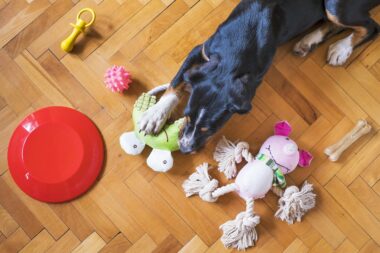
As a dog owner, you may not realize the hidden dangers encompassing dirty dog toys. These seemingly innocent items can harbor bacteria, mold, and allergens that can harm your beloved pet’s health. Dirty toys can lead to infections like kennel cough or gastrointestinal distress, which can cause discomfort and require veterinary care. Regular cleaning prevents these health issues and enhances your pet’s quality of life. Moreover, I’ve seen cases where toys were swarming with germs, leading to serious health complications, particularly among puppies and older dogs. They are usually more vulnerable and may not handle illness as well. A critical aspect that all dog owners must be aware of is how often toys are chewed and licked. These behaviors increase direct exposure to bacteria. Additionally, cleaning methods vary – some owners use soap and water, while others prefer natural cleaning solutions. However, not all methods are equally effective in eliminating harmful pathogens. Taking proactive steps toward maintaining your dog’s toys is essential for their long-term health, and should never be neglected.
Pet owners frequently overlook the significance of regularly sanitizing dog toys. Just because a toy seems clean on the surface doesn’t mean it’s free of pathogens that could affect your pet. Many dog toys are designed for durability, but they can accumulate dirt and grime over time. This accumulated filth can create an ideal breeding ground for harmful microorganisms. Fungi and harmful bacteria thrive in dark, damp environments. If a toy has been in your backyard and exposed to dirt or moisture, pet owners should ensure it is cleaned at least once a week. Items like soft plush toys should be washed and dried frequently to avoid mold buildup. In addition to washing, inspecting toys for damage is important, as broken pieces can pose choking hazards, especially for enthusiastic chewers. Dogs tend to put their entire mouths on toys, so hidden bacteria can make their way into their systems, leading to illness. This emphasizes why incorporating regular cleaning into your pet care routine is essential; it ultimately protects your furry friend from potentially serious health issues.
Signs Your Dog’s Toys Need Cleaning
Recognizing signs that your dog’s toys require cleaning is crucial for their health. One of the most obvious indicators is simply an odor emanating from the toy. If you detect an unpleasant smell, it often indicates the presence of bacteria or mold. Visible dirt or discoloration should not be ignored either, as these are clear signals that a cleaning is overdue. Additionally, if your dog seems more reluctant to play with certain toys, it could indicate that they’re uncomfortable or even repulsed by their current state. Another sign is excessive sneezing or coughing after playing, suggesting airborne allergens have accumulated on their toys. Check for wear and tear, as older toys are likely to harbor more germs than new ones. Lastly, if your dog develops an upset stomach or experiences digestive worries, consider the last time their toys were sanitized. Every pet owner should create a simple cleaning schedule based on their dog’s specific usage. Such vigilance can greatly enhance your pet’s overall well-being, creating a healthier playing environment in your home.
Many pet owners are curious about the best cleaning methods for dog toys to keep them safe and healthy. Different materials require different methods for effective cleaning. For rubber and plastic toys, a mixture of vinegar and water works wonders. Soaking these toys for a few minutes can help eradicate stubborn bacteria. Following this, rinsing with fresh water ensures that no cleaning solution is left behind. For plush toys, most can be thrown in the washing machine along with pet-safe detergent, while others may need more delicate handwashing methods. Always check the care instructions for your pet’s toys; some may even require air-drying. Additionally, consider using a steam cleaner for certain toys, especially if there’s a need to kill pesky germs. If your dog enjoys playing with toys in muddy or wet environments, a thorough cleaning should be part of your routine. Prioritizing this task ensures that they minimize potential health risks while still keeping playtime fun. Moreover, a well-maintained toy will last longer, proving to be a benefit for your pocketbook as well.
The Frequency of Cleaning Dog Toys
The frequency of cleaning dog toys can vary widely depending on several factors, including your dog’s lifestyle and health. Generally, you should make it a habit to clean rubber and plastic toys weekly. Soft toys may need washing every couple of weeks or after particularly messy outdoor adventures. However, if your dog has been ill or is prone to infections, sanitation should be more frequent to avoid recontamination. Moreover, if the toys tend to accumulate saliva and dirt quickly, they should be cleaned several times a week. An excellent approach is to establish a specific day for cleaning where all toys can go through a thorough wash. This routine can seamlessly integrate into your pet-care practices. In homes with multiple pets, a more frequent schedule is recommended to mitigate any cross-contamination of germs. Keeping a calendar or reminder can help you stay consistent with these cleaning efforts. Ultimately, the cleaner the toys, the more willing your dog will be to engage and have fun, reflecting on a much happier pet!
While some may overlook cleaning dog toys as a simple task, paying attention to this area can have profound implications. It reflects a broader commitment toward your pet’s health and well-being. A simple, regular cleaning schedule can vastly improve your dog’s quality of life, allowing them to enjoy their playtime healthier and happier. When dogs encounter toys with an unpleasant or unclean texture, they may lose interest, impacting their mental stimulation. This can restrict their physical activity, leading to boredom and potential behavioral issues. Moreover, a clean play environment fosters an emotional bond between you and your dog. Sharing their toys while ensuring they’re sanitized adds a layer of trust and safety to your relationship. The opportunity to play with clean, safe toys enhances your pet’s overall happiness and emotional well-being. In the long run, prioritizing cleaning dog toys can lead to a reduction in vet visits and unnecessary medical expenses. As a pet owner, you want to ensure your furry friend leads a happy, healthy life, making cleaning their toys a crucial part of that journey.
Conclusion
Ultimately, the impact of dirty dog toys cannot be overlooked. By taking the proactive steps to clean and sanitize your dog’s toys—which may seem trivial—you are making a significant, positive impact on their health. It’s essential to create and maintain a consistent cleaning schedule while employing effective cleaning methods tailored to the specific materials in the toys. Beyond just hygiene, clean toys enhance your dog’s overall environment, promote safety, and foster greater excitement and interaction during playtimes. Your dog deserves to play with safe, healthy toys; that means investing time into their cleaning. Moreover, you help build a healthy space for your pet while minimizing risks associated with bacteria and harmful allergens. Establishing a routine not only protects furry friends but also enhances the relationship you share with them. The cleaner the environment, the happier the pet! If you’re unsure about cleaning methods or frequency, consulting with your vet is a reliable step. Make cleaning dog toys part of your responsibility as a pet parent—your dog’s health and happiness depend on it!