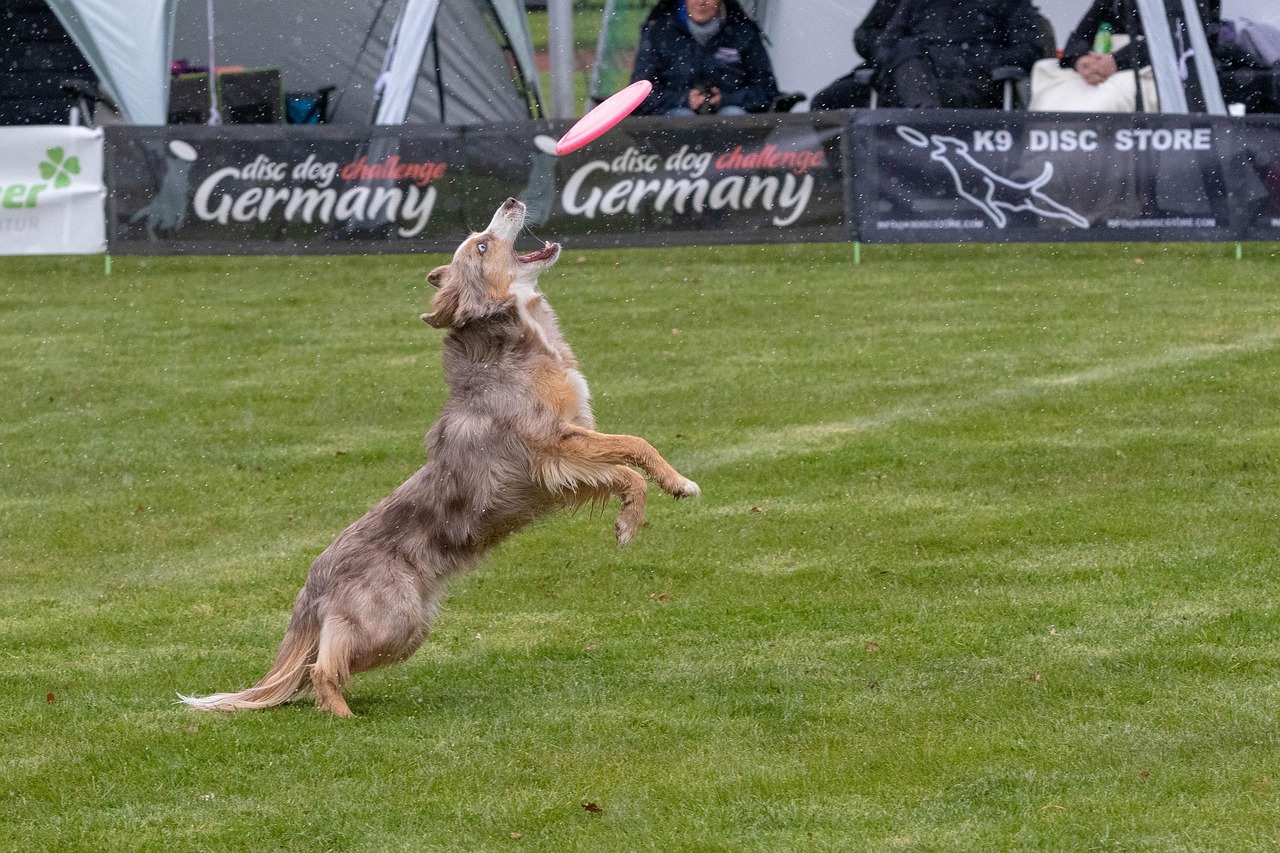

Top Dog Sports Easily Adapted for Disabled Dogs
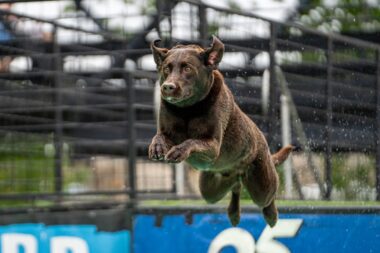
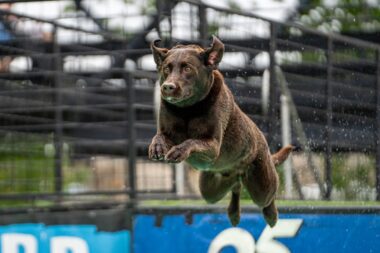
Dog sports are an excellent way for dogs to engage physically and mentally, providing healthy exercise and socializing opportunities. Adapting these sports for disabled dogs requires creativity and understanding of each dog’s unique needs. Fortunately, numerous dog sports can be modified effectively. Agility is one of those sports that can suit various dogs, including those with mobility issues. By using alternative equipment, like lower jumps and ramps, even those with physical limitations can participate. Additionally, using encouraging techniques, such as positive reinforcement, helps build confidence in disabled dogs during practice. For dogs with few mobility challenges, scent work can offer exciting engagement, as it relies more on exploration than physical prowess. Setting up scent trails involving both familiar and unfamiliar objects can make this sport fun while also enhancing focus. This adaptive sport thrives in collaboration with the dog’s handler, creating a bond of trust and teamwork. Furthermore, swimming is another sport ideal for disabled dogs, as water buoyancy reduces impact on joints. Many dogs enjoy swimming, and it significantly helps improve their physical health and stamina.
Various equipment modifications enhance sports participation for disabled dogs. For example, using specially designed harnesses, wheelchairs, and orthotic devices can enable movement and performance without causing strain. Soft surfaces for running or playing also lessen impact and allow for comfortable participation. Rally Obedience is another adaptable sport that focuses on communication between the handler and the dog. This sport involves navigating through various stations with obedience tasks, which can be adjusted according to each dog’s ability. Incorporating clear visual cues and practicing on leash can help facilitate this sport for dogs needing more support. The next sport worth considering is Barn Hunt, which focuses on a dog’s ability to detect scents associated with hidden rats. This sport can be particularly enjoyable for dogs that thrive on scent detection, requiring minimal physical activity. For visually impaired dogs, utilizing different surfaces can enhance their tracking skills. Always adapt the environment or layout to ensure safety and enjoyment, helping keep the disabled dog engaged and relaxed during the activity. In conclusion, finding the right activities tailored to a disabled dog can make all the difference in their fitness and overall enjoyment.
Building a Supportive Community in Dog Sports
Being part of a supportive community can significantly enhance the experience for both the dog and the handler. Many local dog clubs provide resources and training for managing different types of disabilities and engaging in sports. Connecting with other owners and trainers experienced in adaptive dog sports helps establish valuable support networks. These interactions can promote knowledge sharing, and participants often discover proven techniques or hacks for adapting activities further. Dog sports organizations frequently hold workshops that focus on inclusive practices. Such events offer opportunities to learn from professionals specializing in adaptive sports, ensuring that all dogs can have fun regardless of their physical limitations. Establishing friendships during these events allows handlers to become part of a supportive community, providing motivation for continued improvement. Online forums and social media groups can also facilitate discussions around adapting dog activities and sports, showcasing inspiring stories. In these spaces, individuals share successes, innovations, and product recommendations that can aid in adapting sports for disabled dogs. Collaboration amongst members fosters an environment where everyone feels included and encouraged, facilitating better outcomes for both pets and their humans.
Participating in dog sports benefits disabled dogs immensely. These activities foster positive reinforcement, increase physical health, and strengthen bonds between dogs and their handlers through teamwork. Developing skills in sports helps the disabled dog build confidence, much-needed mental stimulation, and well-rounded socialization. Additionally, engaging in structured activities boosts the dog’s overall well-being and happiness. Building exercises specifically designed for the dog’s needs can prevent boredom and destructive behaviors, making for a happier household. Handlers can monitor their dog’s progress and enjoy the inherent satisfaction of helping their pets flourish. Socializing with other dog owners and their pets during sports events creates opportunities for friendship, knowledge sharing, and community building. As dogs engage with others, owners learn to appreciate the diversity and strengths of each breed, regardless of disabilities. Optimizing training techniques tailored to individual animals keeps the focus on positive interactions, ensuring that each moment spent in practice reflects a rewarding experience. Collectively, adapting sports for disabled dogs illustrates the commitment to the belief that every dog deserves to enjoy life to the fullest, promoting inclusivity and fun.
Safety and Well-Being Considerations
When adapting dog sports for disabled dogs, prioritizing safety and well-being is essential. Always perform thorough assessments of the dog’s physical capabilities and limitations to effectively tailor activities. Before initiating any sport, consult with a veterinarian or canine physiotherapist to ensure your dog can handle the physical demands safely. Owners should recognize signs of fatigue or discomfort, closely monitoring their dog’s reactions throughout training sessions. It may be beneficial to start with short, gradually increasing durations, allowing dogs to build strength and confidence over time. Adequate warm-up exercises help prevent injuries and keep dogs physically prepared for the activities ahead. Furthermore, always ensure that dogs participate in safe, secured environments to avoid unexpected accidents. Take care to adjust the sports equipment, ensuring it fits well and is appropriate for the dog’s size and condition. Understanding pacing and allowing the disabled dog adequate time to rest during activities creates a more enriching experience. In this context, consider personalizing training plans or working with professional trainers to maximize proficiency while adapting sports safely for the dog’s unique requirements.
To sum up, adapting dog sports for disabled dogs is both a fulfilling and gratifying journey. It requires thoughtful adjustments, creativity, and support from those within the community. Handlers can enjoy watching their pets succeed and thrive through tailored activities that inspire confidence. While initial adaptations may take time, establishing routines is vital in solidifying the dog’s participation. Thus, exploring various dog sports and modifications is essential to discover the perfect fit for each dog. Currently, a wide variety of dog sports suits diverse capabilities, including agility, obedience, scent work, and swimming. Engaging with dogs in these adapted sports helps cement relationships between owners and their pets while promoting an overall healthier lifestyle. Community resources, including clubs, trainers, and online forums, serve as priceless assets in navigating this journey. Moreover, handlers should prioritize safety when considering options. As they adapt sports, they can also share success stories that inspire others to embrace the achievement possible for all dogs, regardless of their disabilities. Everyone can find joy in creating opportunities for disabled dogs and prove that the love and spirit of these animals are boundless, enriching lives.
Conclusion: Celebrating Every Dog’s Potential
Embracing an adaptive approach to dog sports means acknowledging the limitless energy and enthusiasm of our canine companions. Through commitment and adaptation, dogs with disabilities can lead vibrant, fulfilling lives. Owners are empowered to explore creative modifications and learn strategies that enable their pet’s participation in various activities. Each dog’s achievements serve as a testament to the remarkable resilience and positivity these animals possess. As we adapt these sports, we facilitate shared experiences, advocating for inclusivity and support among fellow dog owners. In doing so, we can foster an enriching environment where every dog, regardless of ability, finds joy and purpose through sport. It is a journey that not only enhances their physical capabilities but also strengthens emotional bonds between dogs and their owners. Remember, every dog has a unique potential waiting to be discovered. By offering adaptive opportunities through sports, we celebrate that potential while inspiring others to embrace adapted canine sports as a positive and meaningful contributor to their dog’s happiness and well-being.