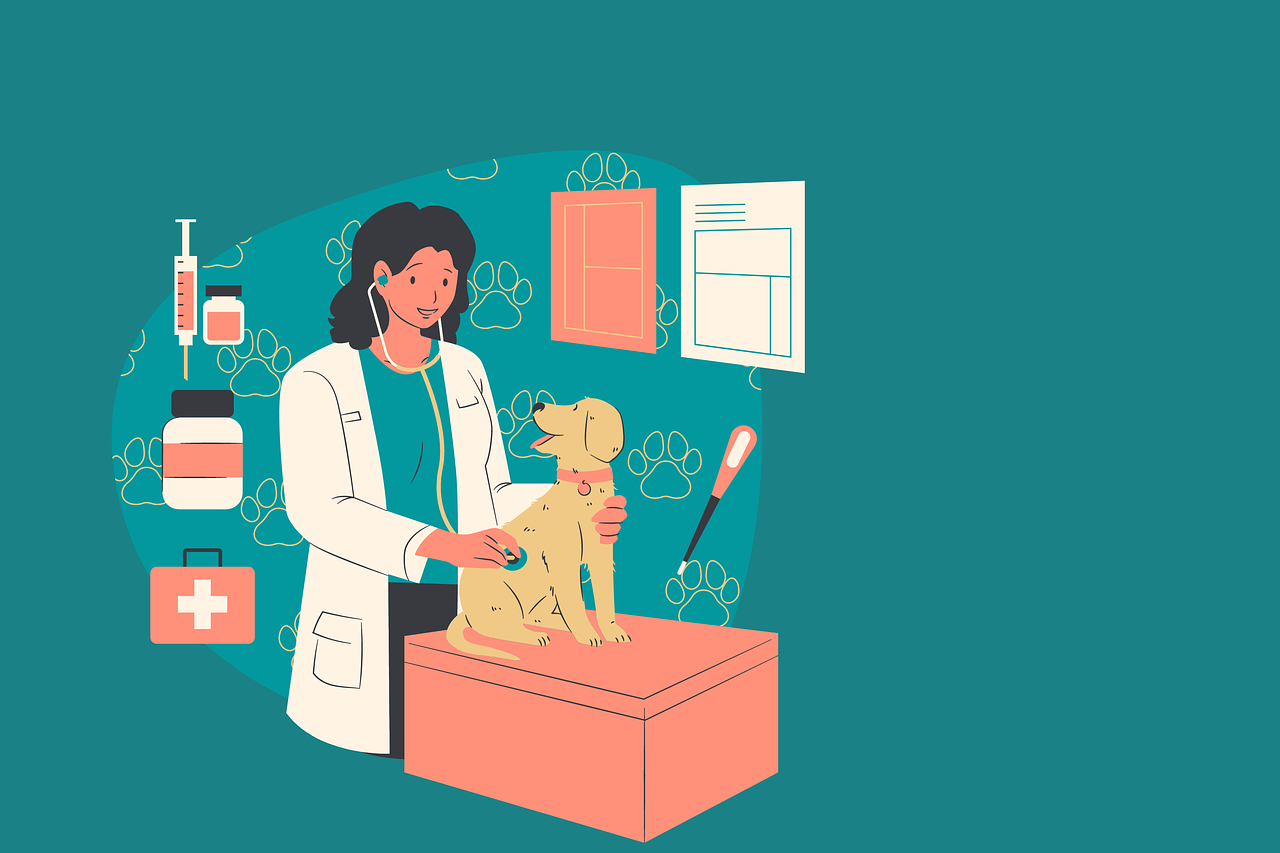

Training Staff for Emergency Responses in Dog Breeding Facilities
Emergency care in dog breeding facilities is crucial for ensuring both the health of the dogs and the safety of staff. When staff are well-trained, they can respond effectively to any unforeseen situations that arise. Essential topics for training should include recognizing early signs of distress in pregnant dogs and newborn puppies. Workshops would enhance understanding of potential complications during labor. Regular drills help prepare the team for medical emergencies, ensuring they are ready to act quickly. By simulating various scenarios, staff can become familiar with the proper response protocols. It’s also important to note that maintaining supplies is critical; emergency kits equipped with necessary medications can save lives. These kits might include supplies such as antiseptics, bandages, and veterinary contacts. Regularly reviewing the contents of emergency kits can prevent shortages during critical times. Incorporating interactive training sessions and up-to-date best practices can enhance staff preparedness. To achieve optimal results, facilities should evaluate their protocols periodically, ensuring continuity in education. Implementing a culture of safety can enhance the overall well-being of both the animals and the staff in dog breeding establishments.
Establishing clear protocols is essential for any dog breeding facility. Staff members must be aware of their roles during an emergency. Training should be comprehensive, covering both medical and behavioral emergencies. Behavioral issues can escalate, causing stress for both dogs and humans. In addition to addressing health emergencies, staff should learn de-escalation techniques. This dual-focus approach ensures that staff are equipped to manage various crises efficiently. Guidelines should outline the steps to take in specific situations, allowing for quick decision-making. Furthermore, staff should be familiar with local veterinarians and emergency clinics. Knowing when and how to contact these resources is vital for effective emergency responses. Collaboration with veterinary professionals aids in gaining insights into best practices. Regular feedback sessions following drills can be useful for discussing improvements. Open communication fosters a supportive environment where staff feel empowered to share challenges. Staff morale is significantly affected by their level of preparedness; feeling equipped can boost confidence. Facilities might consider keeping logs of incidents to learn from experiences. This continual improvement can enhance the capability of staff, ultimately leading to better outcomes for the dogs.
Communication Strategies in Emergencies
Communication during emergencies is paramount for effective action. Clear lines of communication ensure that all team members are informed and engaged. Training staff on the use of communication tools, whether digital apps or two-way radios, can facilitate efficient information sharing. Establishing a communication hierarchy helps streamline the process during crises. Team leads should have designated roles, particularly when organizing evacuations or medical interventions. It is essential that staff can practice communication in realistic scenarios. This can include role-playing exercises where staff can simulate emergencies. Instructions should be presented in a straightforward manner, minimizing confusion. Documentation of emergency protocols should be readily available for all team members. Facilities could create quick-reference guides for staff during stressful situations. Developing a culture of regular communication builds trust among team members, making it easier to relay vital information. Investing in ongoing training sessions ensures that staff are aware of any updates or changes in procedures. Consistency in communication protocols can also prevent misunderstandings, preserving the team’s effectiveness during emergencies. By enhancing communication, dog breeding facilities can elevate their readiness to handle emergencies efficiently.
Another key aspect of training involves physical handling of dogs during emergencies. Staff must be trained in safe lifting and handling techniques to prevent injuries to both themselves and the dogs. Knowing how to approach distressed animals is also crucial; a calm demeanor can do wonders in de-escalating fearful situations. It’s essential to teach staff how to assess a dog’s body language for signs of stress or aggression. Certified trainers can conduct workshops on handling various breeds safely and humanely. Skills learned here are invaluable when time is of the essence, such as in medical emergencies. Refresher courses can be organized frequently to keep the skills top of mind. The use of calming techniques, such as soothing voices or gentle touches, can aid significantly in handling emergencies. Coordination with veterinary professionals for additional training can enhance practice standards. Staff should also be trained in how to use restraints properly, ensuring safety for both humans and animals. Proper restraint can also facilitate necessary medical examinations without stressing the animals further. Comprehensive training provides an additional layer of safety and comfort for breeding dogs during emergencies.
First Aid Certification for Staff
First aid training is indispensable for the staff working in dog breeding facilities. When emergencies occur, having trained personnel can make all the difference in saving a life. Ensuring that a proportion of staff members are certified in first aid can optimize response efficiency. Certification programs should include canine CPR, wound management, and emergency protocols. By becoming familiar with first aid techniques, staff can reduce anxiety when faced with medical crises. Moreover, regular drills that incorporate first aid practices can enhance retention of knowledge. Refreshing these skills annually can ensure that the staff is prepared for unusual situations. Facilities might partner with local veterinary clinics to provide training opportunities for their team. This collaboration can foster relationships and enhance resource sharing. Keeping a log of training participants encourages accountability and compliance with protocols. Staff should also engage in discussions about their experiences to learn from one another. These interactions reinforce the importance of preparedness in emergency situations. With continual investment in first aid training, facilities can uphold high standards of care while promoting health and safety. The overall welfare of the dogs is directly influenced by the competence of the staff trained in first aid.
Creating a culture of emergency preparedness is essential for a breeding facility’s success. By fostering teamwork and commitment among the staff, facilities enhance their readiness for emergencies. This commitment can be cultivated by holding regular meetings to discuss challenges and solutions. It’s beneficial to face emergencies as a cohesive group, addressing concerns collectively. Staff motivation increases when they see genuine investment in their safety and the welfare of the dogs. Recognizing diligent workers and their contributions can have a profound effect on morale. Celebrating achievements boosts the sense of community within the facility. Encouraging staff input about emergency protocols can lead to better practices. Their firsthand experiences are valuable; learning from the ground level enhances credibility. Facilities can also implement peer mentoring where experienced staff guide newcomers. This builds camaraderie and increases overall competency. Lastly, by ensuring a well-stocked emergency supply inventory, facilities show their dedication to preparedness. Facilitating access to supplies enables immediate response during emergencies. Staff confidence grows when they know they can access necessary resources quickly. Ultimately, maintaining a focus on preparedness creates a safer environment for both employees and the breeding dogs.
Evaluation and Improvement
Continual evaluation of emergency response protocols is vital for dog breeding facilities. After each incident, staff should engage in reflection on what went well and what can be improved. This critical evaluation allows teams to identify gaps in their training or preparedness. Documenting incidents offers insights for future training and development, leading to enhanced care for the dogs. Utilizing feedback from staff helps tailor training programs to meet their needs and challenges effectively. With each evaluation, facilities can adapt protocols to fit current best practices in emergency care. Regular assessments of supplies ensure readiness; it’s important that staff check inventory frequently. Keeping updated lists of emergency contacts, including local vets, complements the training. Moreover, fostering an environment of open communication encourages staff to share experiences and recommendations. Together, these strategies lead to an adaptive approach toward emergency preparedness. Understanding that improvements are necessary contributes to overall growth for the facility. Each step taken towards evaluation and adjustment strengthens not only the staff’s capabilities but also enhances the well-being of the dogs in the breeding program. This commitment ensures a thriving, safe environment for all involved.
The importance of a well-trained staff in dog breeding facilities cannot be overstated. During emergencies, the effectiveness of the response significantly affects outcomes for the dogs involved. Investing in training creates confidence among employees, equipping them to deal with a range of scenarios that may arise. Continuous education models, such as e-learning and interactive workshops, can supplement traditional training methods. Facilities can also implement monthly safety briefings to keep topics fresh in team members’ minds. Documenting training sessions, as well as sharing results, contributes to maintaining safety standards. Satisfactory emergency care reduces injuries; hence, improving the overall operational health of the breeding facility. Animals thrive when they are in a stable environment where staff feel capable of handling crises. Strengthening the bond and communication between staff members nurtures a supportive workplace. Over time, fostering such a culture amplifies staff retention and attracts quality professionals who prioritize animal welfare. Ultimately, the holistic approach toward training and preparedness reinforces the facility’s reputation and operational success. As staff become more adept and the environment improves, the benefits are evident in the health and well-being of both the breeding dogs and the entire operation.