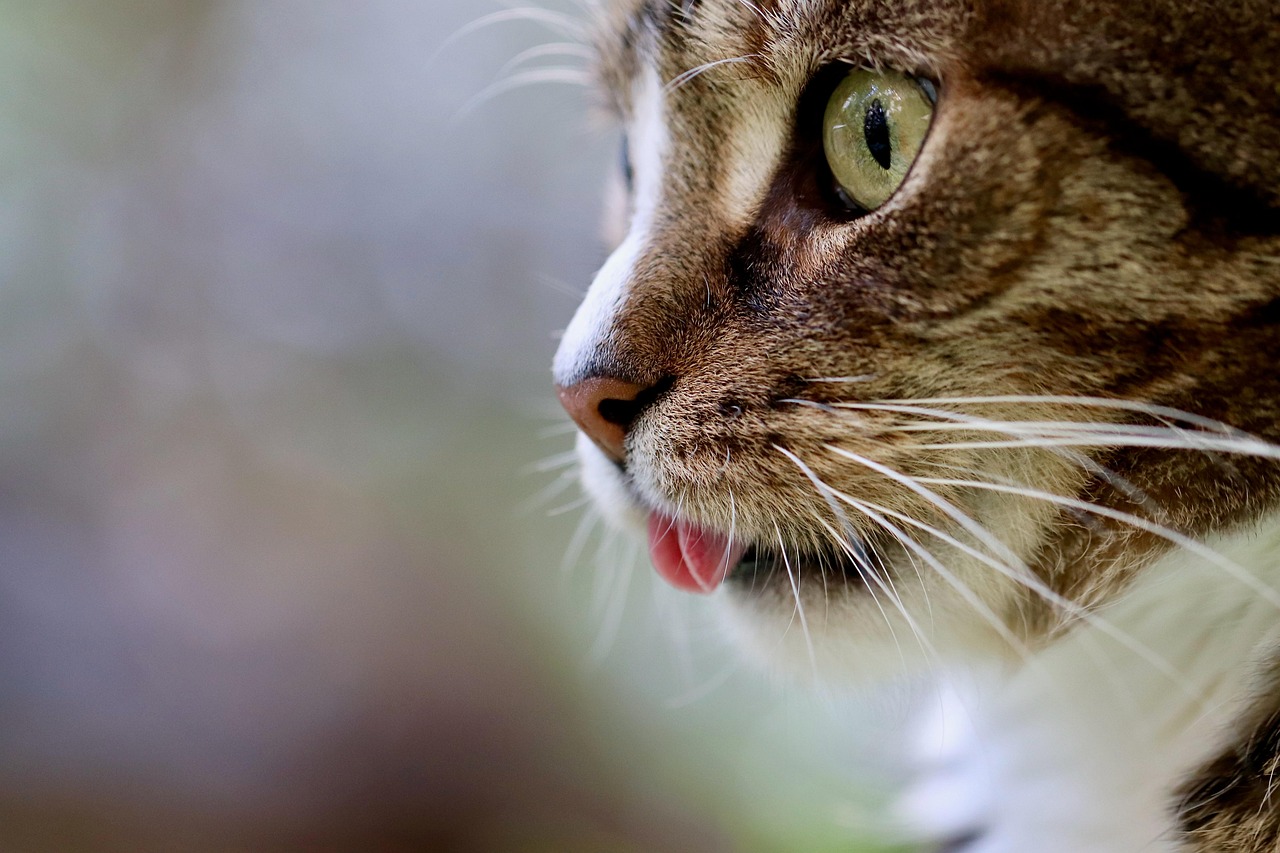

Understanding Cat Body Language for Safer Photography Experiences
When preparing for a cat photography session, understanding cat body language is essential to ensure both the photographer’s and the cat’s safety. Cats communicate through various body signals, and as a photographer, recognizing these signs can prevent mishaps. For instance, a cat with its ears flattened against its head is indicating stress or discomfort. By observing this, you can choose to give the cat some space. Likewise, if a cat’s tail is held high, it often means they are feeling friendly and secure. This signal indicates that the cat might be more willing to engage with you. Always watch for these physical indications, as they provide valuable insight into the animal’s mood. Furthermore, noticing the cat’s posture can help; an arched back usually means fear or aggression, while a relaxed stance may indicate calmness. Thus, creating a positive photography session starts with understanding these non-verbal cues. The more you learn about their body language, the better equipped you will be. After all, respecting your subject’s comfort leads to successful and enjoyable photo sessions.
Approaching a cat for photography requires a gentle and patient demeanor. Before taking any pictures, take time to observe the cat from a distance to assess its behavior and comfort level. If the cat appears agitated or anxious, it’s wise to back off for a moment. You can also consider talking softly or using treats to help establish trust. This approach creates a calmer environment where the cat feels secure, allowing for more natural and authentic photography. It’s essential to let the cat come to you instead of forcing an interaction, as cats are naturally independent and may shy away from direct advances. Additionally, utilize toys or props that will encourage play. Play can capture a cat’s attention, leading to spontaneous and lively photos. When utilizing toys, ensure they are safe and non-toxic to maintain the cat’s safety throughout the session. By incorporating these methods, you can create a more relaxed atmosphere and improve your chances of capturing great images of your feline friend. Remember, patience is vital, as the best pictures often come when both parties feel comfortable and at ease.
Creating a Comfortable Environment for the Cat
The environment plays a significant role in how a cat reacts during photography. A calm and quiet setting helps minimize distractions, allowing the cat to settle into the session. Consider choosing locations where the cat feels at ease, such as its favorite sunny spot or play area. Additionally, ensure that all items within the vicinity are cat-friendly and free from hazards. If necessary, execute a safety check to prevent any accidents that could occur. Soft lighting also contributes to the environment; bright flashes of light can be startling or uncomfortable for cats. Instead, opt for natural light or soft diffused light sources that create a soothing atmosphere. You can also create cozy spots using blankets or soft bedding where the cat can relax. Furthermore, provide plenty of breaks during the photography session, giving the cat time to recharge and refocus. This foundational approach enables you to capture the cat’s personality truly while also respecting its boundaries and comfort. The ultimate goal is to achieve beautiful images without stressing the pet, fostering a more enjoyable experience overall.
In addition, the choice of equipment can significantly impact the cat’s comfort and safety during a photography session. Large cameras and heavy lenses can create a sense of intimidation for some cats, leading them to retreat or display fearful behavior. Therefore, using a smaller, quieter camera can be beneficial. Some photographers also prefer to use silent modes or take advantage of features like burst shooting to capture moments without abrupt sounds that may frighten the cat. Moreover, using a tripod can provide stability, reducing the need for physical movement that may disturb the cat. Using remote triggers can further decrease any disruptions. Prioritize your gear to ensure it is lightweight and manageable, making it easier to adjust the angle or position without causing stress for the cat. Finally, consider having an assistant who can help monitor the cat’s behavior. This collaboration allows you to focus on getting the perfect shot while maintaining a supportive and safe environment for the feline subject. By using appropriate equipment, you are contributing positively to the overall experience.
Recognizing Cats’ Personal Space
Respecting a cat’s personal space is another critical factor behind safer photography sessions. Each cat has its unique comfort zone, varying in distance from others, including humans. Getting too close too quickly can result in defensive reactions, such as hissing or even swatting. Take time to build rapport with the cat slowly. Allow it to approach you rather than rushing in for the perfect shot. Maintain a gentle and relaxed posture, avoiding sudden movements to keep the atmosphere calm and friendly. If a cat moves away, it may be trying to communicate its need for more space. Understand and respect these boundaries; forcing an interaction can negatively impact your session. Instead, remain observant and patient, allowing the cat to decide when it’s comfortable enough to interact. Incorporating breaks will give the cat time to feel less pressured, encouraging it to come back to you when it’s ready. This practice not only improves the overall experience of the cat but enhances your odds of capturing stunning and authentic photographs that genuinely reflect its personality.
Furthermore, it’s important to be aware of the background settings in which you are photographing the cat. Noisy or chaotic environments can trigger stress, thereby affecting how the cat behaves. Creating a conducive environment involves not just the immediate area around you but also planning for any potential distractions. Always scout your surroundings ahead of time and eliminate noise sources where possible. If you are in a home setting, consider moving objects or shutting doors to confine the area. Additionally, using soft, neutral-colored backdrops can prevent loud patterns that might distract from the subject. Simple setups often result in more appealing pictures, as they allow the cat to shine without overwhelming elements in the background. Moreover, consider the time of day for natural lighting conditions, which can greatly enhance your photos. Early mornings and late afternoons typically provide balanced light, which is ideal for emphasizing photos of your pet. Overall, a mindful approach toward the session’s environment fully supports the cat’s comfort and safety.
Involving a Friendly Human Companion
Including a calm and friendly human companion during cat photography can enhance safety and comfort for the subject being photographed. This additional person can help alleviate concerns from the cat that may arise in solo sessions. By having someone familiar remain present, the cat may actually feel less anxious and more inclined to participate. This supportive individual can also take on the role of calling the cat or using its favorite toys to attract attention. Their calming energy can help make the entire experience more enjoyable for everyone involved. Additionally, a second set of hands may be very beneficial when managing the camera or adjusting lighting. They can also assist in monitoring the cat’s emotions throughout the shoot; if they sense discomfort, they can step in to provide reassurances and breaks that the cat might need. Ultimately, teamwork can turn a potentially stressful experience into a pleasant one, allowing photographers to create unforgettable images while ensuring the well-being of their feline subjects remains a priority throughout the photography session.
Finally, editing the photos can also play a role in enhancing the feelings the cat experienced during the session. During editing, consider the tone and style that reflect the cat’s personality. Incorporating soft filters and gentle adjustments can ensure the final product resonates with audiences while promoting a sense of warmth and connection. Likewise, highlight the cat’s eyes and unique features, which can help build the emotional tone of the images. Also, consider sharing these photos with their owners, as many cat enthusiasts appreciate having images that showcase their beloved pets in natural settings. Involving them in the final selection can build trust, encouraging future photography sessions. Make sure to ask for feedback on the types of shots they prefer. By doing this, photographers can better understand the cat’s family while collecting input to improve future sessions. These artworks can then be shared on social media platforms to inspire other cat owners while showcasing how important it is to create a safe environment for enjoying feline photography. Ultimately, these experiences can provide opportunities for growth and connection amongst cats and their owners.