
Using Back Button Focus to Enhance Dog Action Photography
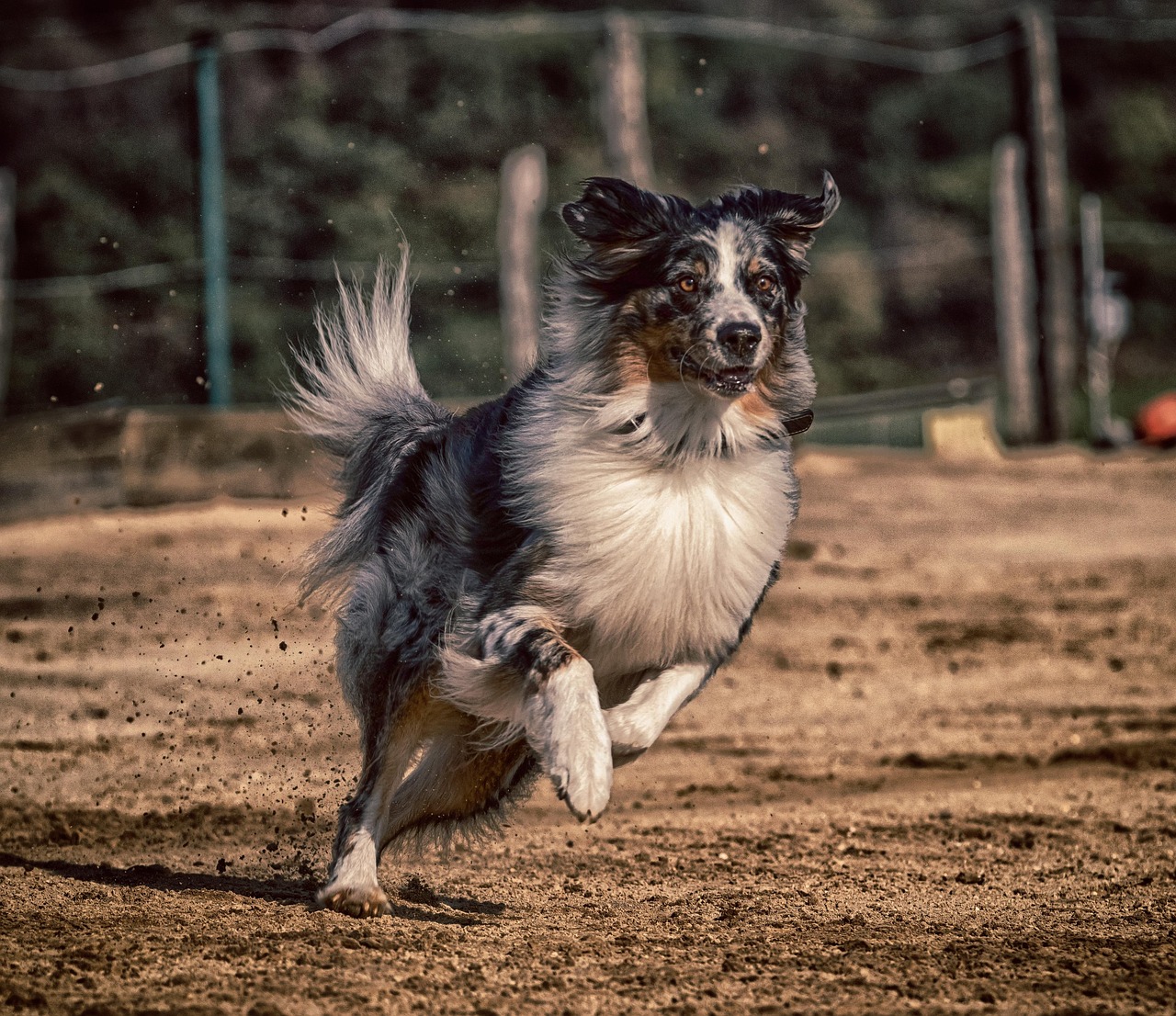
Back button focus is an essential technique that can greatly enhance your dog action photography. By enabling back button focus on your camera, you can separate the focusing function from the shutter release. This allows you to focus more quickly, especially when capturing fast-moving dogs in action. When shooting outdoors at a park or beach, it’s common for dogs to run unpredictably. With back button focus, you can simply press the button with your thumb to lock focus on your dog, then recompose the shot without needing to refocus. This technique also helps in avoiding unwanted blur in your images. Additionally, it can be particularly beneficial in scenarios where background elements might interfere with your focus points. Instead of fumbling with the shutter release button, you can focus confidently and take multiple shots, knowing that you have control over your focal point. In the following paragraphs, we will discuss settings and tips to make the most out of this technique for capturing stunning dog action shots. Ultimately, back button focus improves your efficiency and greatly increases your chances of getting that perfect shot.
Setting Up Your Camera for Action Shots
To make the most of back button focus, you need to configure your camera settings correctly. Begin by adjusting your autofocus settings. Set your camera to AI Servo or Continuous Focus mode, which continuously adjusts focus on moving subjects. This is vital for photographing active dogs, as they can change direction suddenly. Next, ensure your camera is in shooting mode that allows for high-speed continuous shooting. This way, you can capture multiple frames per second, increasing the chances of getting a great shot. Also, consider using a fast shutter speed to freeze the action. Generally, a shutter speed of 1/1000 second or faster will work well to capture quick movements without motion blur. Alongside this, adjust the aperture based on your desired depth of field. A wide aperture can help blur the background, making your dog the focal point of the photo. Lastly, make sure your ISO setting is adequate for the lighting conditions. An ISO of 400 or higher is usually necessary for outdoor shots in varying light conditions.
Another important aspect is ensuring your lens is suitable for action photography. A zoom lens with a focal length of at least 200mm is ideal, as it allows for flexibility when framing. You may also want to invest in a lens with image stabilization to reduce camera shake, which can be particularly helpful when tracking a fast-moving subject. When you’re out in the field, remember to focus on your dog’s energy and expressions. Anticipating their movements can also contribute significantly to capturing stunning shots. Waiting for the right moment, such as a leap or an excited run, often results in more dynamic images. Utilize bursts of shots during pivotal moments to ensure you don’t miss anything special. Moreover, practicing your timing with back button focus can yield a more intuitive response in high-action situations. With experience, you’ll become adept at pressing the button at just the right time. This level of control will not only make the shooting process more fluid but will also enhance your skill set as a photographer. Above all, ensure to stay patient yet proactive while shooting.
Post-Processing Techniques for Action Shots
Post-processing can significantly improve your dog action photographs, making them more vibrant and appealing. Start by importing your images into editing software like Adobe Lightroom or Photoshop. Adjusting the exposure and contrast can help make your images pop. Use the adjustment brush to enhance specific areas, such as the dog’s fur or eyes, to draw attention. Additionally, consider utilizing cropping tools to improve composition. When using back button focus, you may have captured several frames of a single moment, allowing for different angles to be explored during post-processing. Save and highlight the best shots, discarding any that are not up to your standards. Enhance the colors for a more lively feel. Increasing saturation can often yield eye-catching results in outdoor action shots where dogs are surrounded by greens and blues. Noise reduction is also essential, especially if you had to use a higher ISO setting. Lastly, consider adding a subtle vignette to direct focus to your subject. Final touches will make your action shots stand out on social media or in print, showcasing your skills effectively while compelling audiences.
When showcasing your dog action photography, consider how the environment can affect your images. Different locations offer diverse settings, lighting, and backgrounds that can enhance or detract from your work. For instance, shooting at sunset can produce warm hues, enhancing the overall aesthetic. Beaches can add elements like splashing water, while parks can provide bright greenery. Remember to adjust your camera settings according to these environmental changes. In low-light conditions, you may need to raise your ISO, use a wider aperture, or lower your shutter speed cautiously to avoid motion blur. On the other hand, bright sunny days may require using a polarizing filter to cut glare. Choose your shooting times thoughtfully. Early morning or late afternoons offer softer light, making for more flattering shots. Avoid harsh midday lighting, which can create unwanted shadows on your dog’s face. Always be aware of your surroundings and incorporate elements that effectively frame your canine subjects. Whether it’s flowers, a fence, or even other dogs, these elements can add dimension to your photos and make them more engaging for the viewer.
Getting Creative with Angles
Creativity in angles can increase the appeal of your dog action photography significantly. For dynamic shots, consider getting down to your dog’s level. Shooting from their perspective often provides an intimate view, showcasing their energy and excitement. Engage in playful angles—try shooting from below when your dog is jumping or from above while they run through tall grass. These variations will create an index of styles different from standard eye-level shots. You can also play with composition; the rule of thirds is a guide, helping to create balance in your images. Experiment with framing techniques, such as capturing your dog framed by tree branches or vibrant flowers, adding layers of interest. Additionally, look for reflections in water or use leading lines to guide the viewer’s eye through the frame. Furthermore, try to capture candid moments where the dog’s personality shines through; these authentic shots often resonate more deeply than posed photos. Remember to adapt to various situations by varying your angles continuously. This practice will cultivate your style and enable you to produce consistently exciting content, whether for personal use or professional showcases.
Finally, remember the importance of practicing patience and consistency in dog action photography. Dogs can be unpredictable, and waiting for the perfect moment may require time. Your experience will grow alongside your ability to predict the right moment for action shots. Continually testing your skills with different dogs, locations, and conditions will sharpen your understanding of how back button focus works in conjunction with other techniques. Your enthusiasm for photographing dogs can fuel your dedication as well. Networking with other photographers can also help you learn new tips and tricks. Sharing experiences and gear recommendations can provide you with insights beyond your initial knowledge. Additionally, attending workshops or online courses can refine your technical skills while igniting your creative vision for dog photography. Above all, enjoy the process. Each day with a camera in hand and a dog nearby can provide opportunities for unique captures and personal growth as a photographer. Celebrate your progression as you embrace this rewarding art form. By committing to the craft, you will create lasting memories for dog lovers everywhere.
In conclusion, using back button focus effectively can significantly enhance your dog action photography experience. When combined with proper camera settings and techniques, this method allows you to capture dynamic moments beautifully. Don’t forget to experiment with various angles and adapt to your environment to find creative ways to showcase your furry subjects. Taking time post-processing images ensures your final product is polished and appealing. Your engagement in the entire process, from pre-shooting to post-processing, contributes to capturing the perfect shot. Forge connections with fellow photographers and continue learning about this fulfilling art form. Each experience can enrich your photography journey and open doors to new opportunities. Celebrate improvements, both big and small, as you develop your unique style and storytelling through dog photography. The memories and joy you create will resonate with dog lovers, bringing out the best in each moment spent with these magnificent creatures. Remember, practice with techniques like back button focus can produce remarkable results, so embrace the journey. Happy shooting!