
Using Positive Reinforcement Training for Show Success
Preparing your dog for a show demands consistency and patience, making positive reinforcement a highly effective method. This training technique encourages desired behaviors by rewarding them with treats, praise, or play. Enhancing bonds between you and your dog builds trust and motivation. Start by introducing basic commands, such as sit, stay, and heel, using rewards immediately after they perform a desired action. Gradually increase the complexity of commands, always ensuring to reward accordingly. Understand that this process may take time; don’t rush your dog. Consistency in your signals and rewards helps them learn faster. You might also want to mix in high-value treats that your dog doesn’t get regularly, enhancing their motivation. When preparing for a dog show, practice in varied environments to mimic show conditions. Use distractions to gauge their focus during training. As your dog becomes more accustomed to positive reinforcement techniques, you will notice improved performance and confidence. Remember, the ultimate goal is to create enjoyable experiences for both you and your dog. This will lead to better results at shows while also strengthening the bond you share.
Building confidence in your dog is critical for show success. Start by socializing your dog from a young age, ensuring they experience different people, pets, and environments, which is essential to mitigate anxiety. Use positive reinforcement techniques throughout this process to develop adaptable skills. Gradually introduce the show environment, allowing your dog to explore the venue confidently. You should familiarize your dog with the layout, sounds, and potential distractions typical of a dog show setting. Through positive reinforcement, reward your dog’s willingness to approach new situations and objects, using treats and encouragement. Remember, creating a positive atmosphere is vital; you’ll want to practice consistently, keeping sessions short and engaging not to overwhelm your pet. Time management and structure will also help your dog adjust well. As they become comfortable in show-like settings, simulate short practice sessions, gradually increasing the duration and complexity. Allowing your dog to experience the excitement will foster a well-rounded temperament, essential for a competitive edge in dog shows. Always reinforce calm and composed behavior during these practices, rewarding them when they remain relaxed in various settings.
Essential Commands and Skills
Teaching specific commands enhances your dog’s performance during shows. Start with essential commands such as stand, sit, and stay. Use clear signals and consistent rewards whenever they complete the tasks correctly. Repetition will solidify these skills, ensuring your dog executes them with confidence during evaluations. Creating a routine that incorporates these commands will be beneficial. Set aside daily training time, focusing on one command at a time to maximize results. Pay attention to your dog’s body language; if they show signs of frustration or disinterest, take a break. Short, upbeat sessions yield better outcomes than long, tedious practices. Additionally, refining your handling skills contributes significantly to your dog’s performance. Learn how to present and move your dog correctly, showcasing their strengths. Observing other handlers during shows can provide valuable insight into best practices. Incorporating fun games while practicing commands can also maintain your dog’s interest. Engage them with toys or additional rewards, ensuring fun throughout your training. Consequently, this will create a strong connection, leading to better performances and enjoyment of the dog show experience.
The choice of rewards can significantly impact your dog’s motivation during training sessions. Utilize treats, toys, or verbal praise. Each dog is different, so identifying what excites your dog is key to successful positive reinforcement training. Treats should be high-value, particularly when learning new commands or when your dog is showing resistance. Gradually phase out treats as the behavior becomes reliable. However, maintain praise and affection to reinforce that they are doing well. The right toys can also act as great rewards, especially the ones your dog doesn’t get to play with often. Toys can fuel excitement, turning a training session into a thrilling game. Celebrate achievements, no matter how small, as reinforcing success builds confidence. Incorporate a variety of rewards into your training to keep your dog engaged and excited about learning. Unexpected rewards can create a fun and dynamic environment enhancing the learning experience. Consistently changing your approach can make training enjoyable and help your dog look forward to future sessions. Remember, joyful experiences through rewards contribute significantly to your dog’s progress in preparing for shows, ultimately leading to success.
Handling and Presentation Techniques
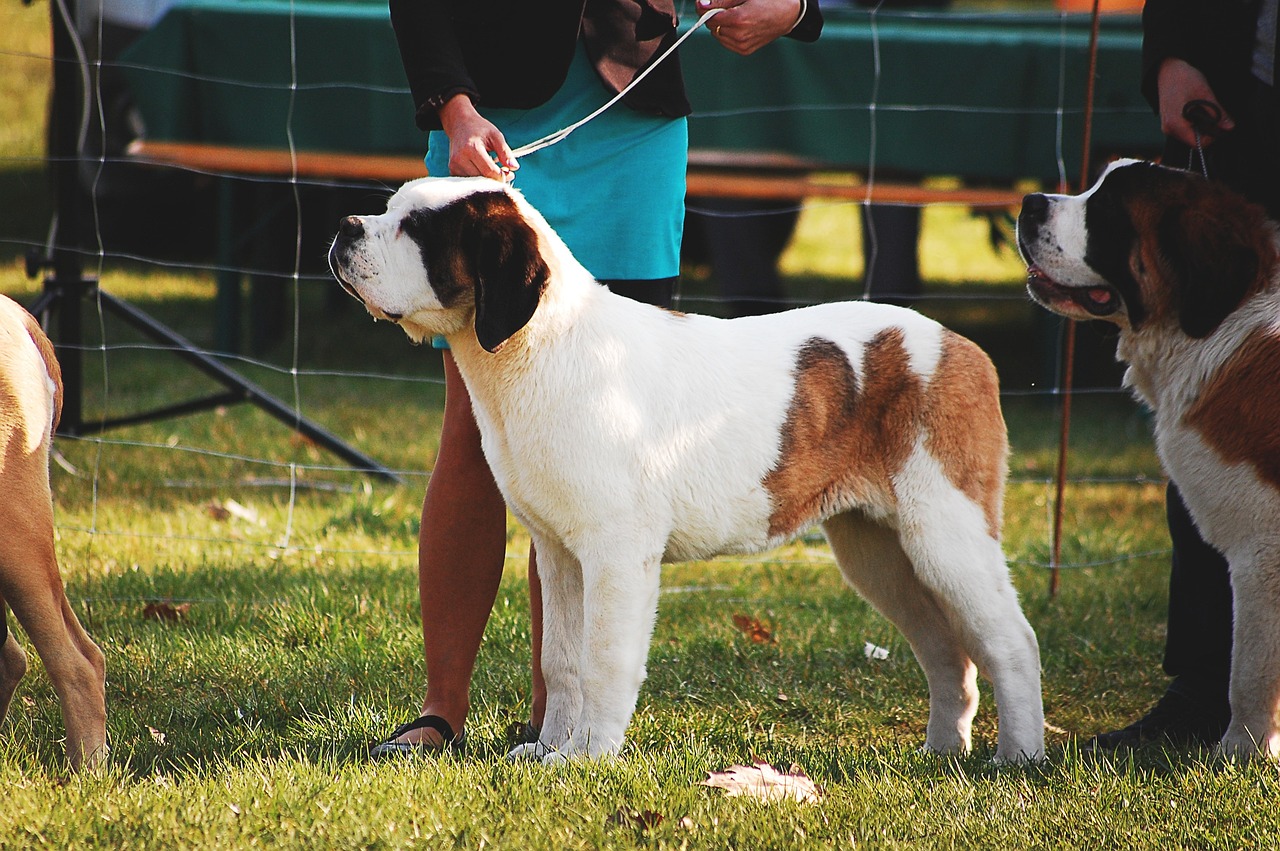
Learning proper handling and presentation techniques is vital for showcasing your dog effectively. The way you present your dog can influence a judge’s impression. Start with your dog’s posture; ensure they stand straight with their feet squarely positioned, showcasing their structure. To achieve this, practice stand commands continuously until your dog displays confidence in this position. During shows, maintain a calm demeanor, as dogs often reflect their handler’s emotions. If you’re anxious, your dog may become uneasy as well. Train in various environments, simulating show scenarios to ensure both you and your dog adjust comfortably to the atmosphere. Develop a strong routine for entering and exiting the show ring, emphasizing poise and confidence. Teach your dog to walk calmly at your side, using free-flowing movements to enhance their natural grace. Regularly practice these presentations, focusing on both the visual appeal of your dog and the bond between you. Utilizing these techniques will establish a harmonious connection, ensuring their best qualities are highlighted. Over time, this dedication to handling and presentation will reflect positively on your dog’s performance during competitions.
Physical fitness plays a crucial role in preparing your dog for shows. Regular exercise will ensure that your dog maintains optimal condition and energy levels, allowing them to perform their best. You should tailor a fitness routine suited to your dog’s specific needs and age. Incorporate activities such as walking, jogging, or playing fetch to keep them physically active. During show preparations, you may also want to include structured exercises focusing on developing muscle tone and endurance. Swimming is an excellent low-impact activity that builds strength without risking injury, especially for high-energy dogs. Consistent exercise not only keeps your dog fit but also significantly contributes to their mental well-being. A well-exercised dog is often a happier and less anxious dog, which is essential in the bustling show environments. Additionally, consider incorporating puzzle toys and training games to stimulate their minds. Keeping your dog engaged mentally and physically will foster a positive training atmosphere. Balancing both elements is significant in ensuring your dog excels during shows, ultimately leading to impressive performances that make you proud.
Final Tips for Show Success
As you approach the dog show, focus on fine-tuning your strategy for success. Establish a structured routine that includes practicing commands, handling, and socialization. Regular short sessions are more impactful than sporadic long ones. Start observing other successful handlers or breeders at shows, gaining insights and techniques that can enhance your training program. Don’t forget to keep your training positive and enjoyable; this remains paramount, as a stressed dog will underperform. During the run-up to the show, avoid introducing new commands or experiences that could cause confusion or anxiety. Stick to what they know, reinforcing existing skills. Take care of your dog’s grooming and presentation; a well-groomed dog not only looks appealing but also reflects your commitment. Make sure to maintain a balanced diet leading to the show; nutrition impacts your dog’s health and energy levels. Lastly, have fun and remain flexible! Shows can be unpredictable, so remaining adaptable will ensure a more enjoyable experience for both you and your dog. With dedication, consistency, and positive reinforcement training, you will set your dog up for show success.
In conclusion, preparing your dog for dog shows revolves around a blend of positive reinforcement techniques, routine handling, and physical fitness. With the right approach, both you and your dog can navigate the world of dog shows successfully. Remember, the relationship you build with your dog will be instrumental throughout the training and show processes. Prioritize communication, trust, and understanding between you both, making every training session enjoyable. Consistency in commands and positive encounters fosters a collaborative spirit during practices. This adaptability in handling and grooming will enhance your dog’s ability to shine in the competitive atmosphere. Ensure that physical conditioning is balanced with mental stimulation to maintain a well-rounded experience for your dog. As you embark on this journey, keep in mind the importance of celebration—recognizing the small victories along the way fuels motivation for future efforts. Ultimately, when you invest in your dog’s success with love, patience, and knowledge, the rewards will follow. Whether it’s winning a ribbon or simply enjoying the experience together, you’ll create lasting memories that deepen the bond you share.