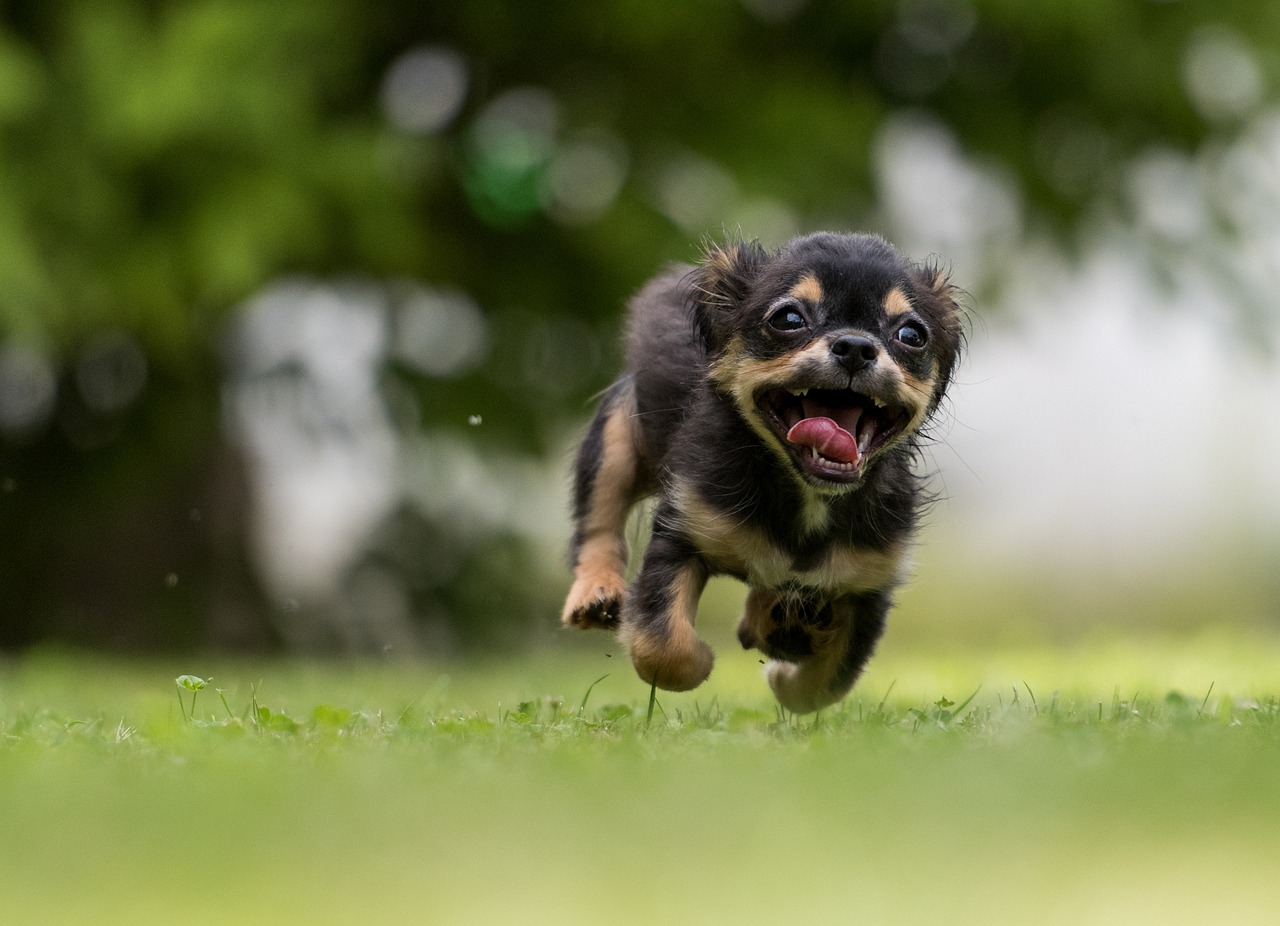

Why Dog Photography Requires a Unique Approach
Pet photography encompasses various approaches to capture the beauty of animals, yet dog photography insists on its own unique techniques. Dogs possess distinct behaviors and dynamics that require attentive strategies to highlight their expression and personality. Unlike other pets, dogs frequently exhibit playful energy, curiosity, and affection. Understanding each dog’s individual temperament is essential to capturing their best likeness. Photographers must practice patience, establishing a comfortable environment for the dog. This helps in achieving candid, heartwarming photos that resonate with dog owners.
Furthermore, ensuring safety while shooting adds another layer of complexity. An off-leash dog may dart into traffic, creating a need for photographers to remain vigilant. Props and scenery also influence how dogs are framed, thus enhancing or detracting from their natural beauty. The ideal environment often includes familiar settings, such as a favorite park or garden. By mastering the distinct aspects of dog photography, professionals showcase a dog’s essence. This focus on unique traits fosters a deeper connection between the photographs and their audience, often leading to memorable captures that evoke feeling and joy, turning dog photography into an art form.
Unlike general pet photography, dog photography emphasizes attention to the dog’s expressions and emotions. Dogs are highly expressive creatures, consequently, capturing their unique traits insists on expert timing and instinct. A photographer who specializes in dog photography needs to identify moments that genuinely represent the dog’s character. This may involve anticipating an energetic bark, a playful hop, or a soulful gaze. Understanding breed differences also plays a vital role. For example, capturing a Dachshund’s distinctive stance requires different angles than photographing a Greyhound’s sleek elegance.
Photographers can use specific techniques that highlight those traits. Utilizing natural daylight reveals the finest details in the dog’s coat, while experimenting with depth of field ensures pleasing portraits. Another important aspect is to build trust with canine subjects. This might be accomplished with treats or familiarization prior to the photo session. Engaging with animals through play can invoke genuine smiles and expressions that resonate with their owners. Ultimately, the art of dog photography demands an understanding of canine behavior, skilled techniques, and patience, culminating in memorable images that capture not just a moment but the spirit of the dog itself.
Understanding the Final Delivery of Photos
Feedback is vital after a successful dog photography session, marking another dimension that often distinguishes it from broader pet photography. After working with the dogs, photographers must tailor the final delivery of images to reflect the individual personality of each dog. This not only includes editing to enhance the overall quality but also selecting the best shots that represent the unique character captured in the session. Depending on the dog’s disposition, some images may need more artistic editing, while others may shine without alteration.
Furthermore, delivering a selection of different prints, canvas options, or digital albums ensures pet parents can choose ideal formats to cherish their special moments. Photographers can engage clients further by offering consultations on how to showcase their artwork in their homes. Simply sending unattractive pictures fails to honor the quality of a proper photograph. Tailored deliveries often leave a lasting impression, creating an emotional connection for the clients. This ensures that dog photography doesn’t merely remain visual art but evolves into sentimental keepsakes, embodying cherished moments spent with their beloved furry friends.
Another crucial element to dog photography is the consideration of equipment suited specifically to the needs of both the photographer and the subjects. Different lenses and camera capabilities can significantly enhance the quality of photographs taken. For instance, a fast lens helps capture movement without blurring, essential for energetic dogs in dynamic poses. Choosing the right equipment contributes greatly to achieving superior shots, aiding photographers in capturing individual characteristics
Moreover, additional gear such as reflectors or diffusers can adjust light settings, generating a softer and more appealing visual texture. Understanding these elements allows even novice photographers to enhance their shots remarkably. Additionally, it’s important for photographers to keep backup batteries and extra memory cards on hand, as furry models often demand longer sessions than anticipated. Technical knowledge surrounding equipment should complement a photographer’s intuitive understanding of canine demeanor. Balancing technical skill with an animal’s unpredictable nature instills confidence in the photographer and allows for spontaneous moments. This harmony greatly enhances the storytelling aspect of dog photography, captivating broader audiences and illustrating the powerful bond between dogs and their humans.
The Importance of Client Interaction
Equally pivotal to dog photography is the interaction between the photographer and the pet owner during the session. Establishing a rapport builds trust and understanding, ultimately resulting in a more productive shoot. The pet owner plays a vital role in helping to engage the dog and ease any potential anxieties. Besides providing treats, it can help to motivate their dog with familiar voices or toys. Maintaining an environment where both the dog and owner feel at ease drastically improves the session’s flow.
This collaboration serves as the backbone for successful dog photography. Engaging both subjects can lead to delightful moments of connection, which the camera is adept at capturing. Essential communication can also illuminate specific preferences for the pet owner, such as preferred settings or poses. After all, the images should reflect both the dog’s essence and the owner’s vision. When both parties work together, they create magic that transcends standard photography. Their collaboration ensures stunning images that evoke emotion, memory, and love, ultimately leading to photographs that speak volumes about the unique relationships shared between dogs and their humans.
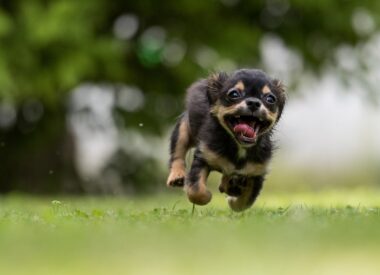
Understanding dog photography also involves recognizing various styles that can be employed to suit different client preferences. From candid action shots to posed portraits, each style captures the unique story of the dog in a distinct way. Dynamic action shots effectively portray a dog’s playful and vibrant character. This style captures the essence of their energetic spirit, often depicting thrilling moments of jumping, running or fetching. Conversely, posed portraits provide a more serene and controlled way to showcase a dog’s beauty and elegance.
Additionally, incorporating themes or outfits can enhance those portfolios, showcasing individuality. Some photographers specialize in seasonal themes, while others may focus on whimsical costumes. These creative choices reflect the personalities of the dogs they photograph, adding depth to each image. Understanding these varied styles helps photographers cater to the desires of their clients. Adapting styles leads to broader appeal, resulting in a diverse portfolio that resonates with a plethora of dog lovers. Ultimately, dog photography transforms a mere snapshot into an art form, showcasing the charm, individuality, and exuberant spirit that defines our canine companions.
Conclusion: The Art of Dog Photography
In conclusion, it’s clear that dog photography represents a specialized niche within the broad realm of pet photography, emphasizing a unique approach. The techniques employed are crucial in capturing the energetic and affectionate essence of dogs. Through understanding canine behavior, incorporating suitable equipment, and fostering collaboration with clients, photographers can create remarkable images that speak volumes about the relationship shared between dogs and their human companions.
This evolving profession constantly embraces innovation, relying on effective communication, strong rapport with animals, and adept technical skills. As the demand for personalized pet photography continues to rise, mastering dog photography becomes increasingly essential. The results yield more than just photographs; they transform into heartfelt commemorations of cherished moments that endure through time. Through this artistry, we see not merely dogs, but beloved members of families captured in vivid portrayals that echo the bond shared. As dog photography flourishes, it reaffirms the indelible role animals play in our lives, forever inspiring photographers to refine their craft and capture the magic of dogs, one photograph at a time.
By valuing the unique intricacies of dog photography, photographers are able to depict the extraordinary relationship shared between humans and their dogs. This area of photography offers immense possibilities and realizes the tremendous joy dogs bring to everyday lives. With each click of the shutter, the narrative unfolds – an untold story of loyalty, love, and companionship. The art of dog photography not only captures moments but also reflects the unique personalities of each furry subject, creating timeless works of art.