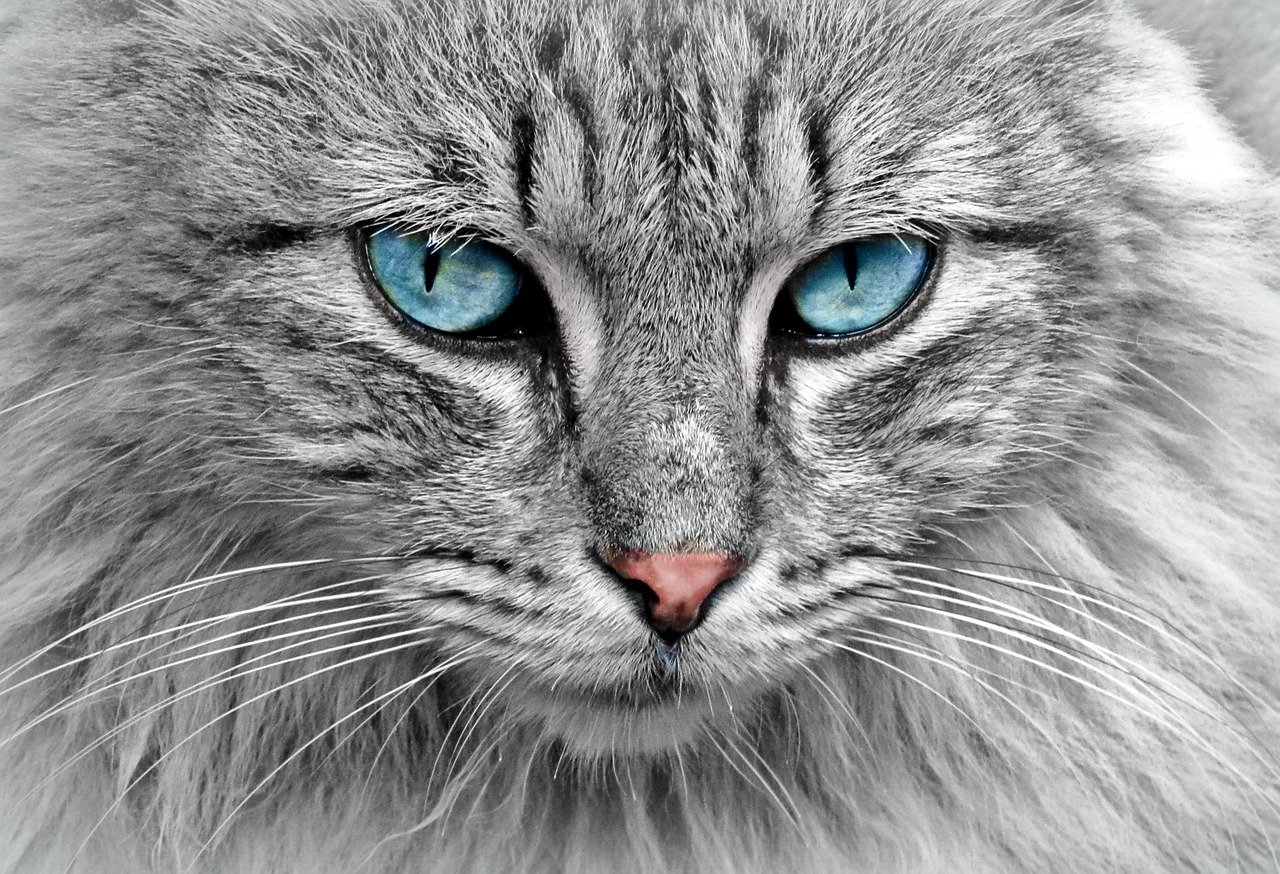

Age-Related Causes of Excessive Vocalization in Senior Cats
Senior cats often experience changes in behavior, including excessive vocalization. This behavior can be attributed to several age-related factors. One common cause is cognitive dysfunction syndrome (CDS). Like humans, cats can suffer from dementia, leading to confusion and distress. This results in increased vocalization as they try to communicate their needs or feelings. Additionally, sensory decline plays a significant role. As cats age, their hearing and vision might deteriorate. They may vocalize more to compensate for their diminished sensory input, expressing what they perceive as threats or changes in their environment. Pain is another critical factor contributing to excessive vocalization. Senior cats often develop arthritis or dental issues, causing discomfort. They may vocalize more when in pain to communicate their distress. Moreover, health problems such as hyperthyroidism can lead to increased vocalizations. Regular check-ups with a veterinarian are essential in identifying these conditions. Understanding these underlying causes is vital for cat owners to address vocalization problems, ensuring their feline companions maintain a good quality of life as they age. Proper attention and care can help mitigate this behavior, improving the well-being of senior cats.
In addition to cognitive and sensory factors, environmental changes can significantly influence vocal behavior in senior cats. Cats are territorial animals, and any alteration in their surroundings may provoke stress, leading to excessive vocalization. Senior cats are particularly sensitive to disruptions, such as moving to a new home, the introduction of new pets, or even changes in the household routine. All these shifts can create anxiety, causing cats to vocalize more often in an attempt to cope with their discomfort. It is essential for owners to recognize these triggers and provide a stable environment. Creating a familiar space with familiar smells, sounds, and places to rest can reduce anxiety and vocalization. Moreover, engaging senior cats in play and interaction can also minimize excessive vocal sounds. Activities such as puzzle toys or gentle playtime give them mental stimulation. This mental engagement can distract them from the feelings of anxiety that sometimes lead to vocalization. Furthermore, consulting with a veterinarian or animal behaviorist can provide tailored solutions to these issues, ensuring the vocalization does not interfere with the cat’s overall happiness. Proper interventions can enhance the experience and well-being of senior cats significantly.
The Role of Health Issues
A wide range of health problems could also lead to excessive vocalization in older cats. Conditions such as hyperthyroidism, diabetes, and kidney disease manifest through various peculiar behaviors, with increased vocalization being a notable one. Hyperthyroidism causes hormonal imbalances, resulting in restlessness and increased demand for food or attention. As a result, these cats vocalize more frequently to express their needs. Like humans, older cats who experience discomfort due to illnesses may seek comfort through vocalization. This behavior may be an attempt to seek help, signaling that something is wrong. Owners must watch for any changes in their cat’s vocal patterns alongside other symptoms such as weight loss or changes in appetite. Regular health check-ups are crucial in diagnosing these health issues quickly. Early detection and treatment can significantly improve the quality of life for senior cats. In addition, holistic approaches, such as dietary changes and medications, can manage underlying health issues, thereby reducing excessive vocalization. Owners should prioritize their health and vocal patterns, seeking veterinary guidance for any concerning behaviors as soon as possible.
Understanding the emotional needs of senior cats is also vital to addressing excessive vocalization. As cats age, their social needs may change significantly. Senior cats often experience a deepened bond with their owners or may seek more interaction due to feelings of insecurity or loneliness. Increased vocalization could signal a desire for companionship, encouragement of owners to spend more quality time together. Social enrichment can alleviate feelings of isolation and lead less to vocalization. Owners can help by engaging them regularly and creating a routine that fosters interaction. Another emotional consideration is the impact of loss or change. If a senior cat has lost a companion, whether a fellow pet or a human family member, they may vocalize more in response to their grief. Providing comfort and understanding during these challenging times can help mitigate excessive vocalization. Additionally, using calming aids or pheromones may offer relief in creating a more peaceful environment. Owners should be aware of their cat’s changing emotional needs throughout the aging process, ensuring they are met with affection and care to minimize vocal behavior.
Strategies for Managing Excessive Vocalization
Managing excessive vocalization in senior cats requires a multi-faceted approach. First, identify the root cause. Regular veterinary check-ups can help rule out or treat any underlying health problems contributing to vocalization. Secondly, provide a consistent and safe environment for the cat. Familiar surroundings reduce anxiety, allowing for calmer behaviors. Enrichment activities should also be included in daily routines. Toys, scratching posts, and playtime can help keep senior cats mentally stimulated and relaxed. Incorporating interactive play can also bond the owner and the pet, decreasing anxious vocalization. Further, consider environmental enrichment with soft bedding and safe areas to explore, which is crucial for older cats. Additionally, managing your cat’s diet can also contribute to improved well-being. Consult with a vet to ensure the cat receives proper nutrition tailored to their age and health. Finally, consider introducing calming products, such as pheromone diffusers or calming collars, which may ease anxiety and reduce excessive vocalization. Patience and consistency in applying these strategies are essential for gradually managing your senior cat’s vocal behavior effectively.
It is also crucial to understand that excessive vocalization in senior cats should not be dismissed as a mere behavioral issue. When observed, it often indicates that the cat is attempting to communicate something important regarding their comfort or well-being. Understanding this communication is key to providing proper care and attention. Observing patterns in vocalization can help owners determine if it correlates with specific situations or changes in environment or health. Furthermore, bear in mind that some vocalization might be their way of expressing needs, wanting attention, food, or simply social interaction. Owners should encourage positive interactions by responding to their cat’s needs with love and gentle care. Training techniques can also be applied, rewarding quiet behavior and discouraging excessive noise through gentle correction. Fostering a nurturing environment contributes to reduced vocalization, making senior cats feel loved, secure, and understood. Learning and adapting to these changes is vital for the relationship between owner and feline friend. Creating a suitable home environment can lead to enhanced mental health, reducing the need for vocal expressions of distress.
Conclusion and Final Thoughts
Ultimately, recognizing the importance of age-related vocalization in senior cats influences both their well-being and the owner’s experience. Through awareness and understanding of the causes behind excessive vocalization, pet owners can cater better to their furry companions’ needs. Regular veterinary assessments play a pivotal role in maintaining the cat’s health and addressing potential health issues early. Besides health, providing a stable environment with emotional support caters to their social needs, crucial during the aging process. Engaging senior cats in stimulating activities, creating a cozy environment, and promoting positive interactions can significantly reduce excessive vocalization. Owners should remember that their senior cats communicate their distress or needs through vocalization, making it critical to respond with empathy and understanding. Building a routine focused on care, affection, and enrichment further enhances the quality of life for senior cats. Fostering this understanding within the human-feline relationship strengthens bonds over time. With a little patience, love, and knowledge, owners can manage excessive vocalization effectively, ensuring their senior cat enjoys a peaceful, happy, and fulfilling life.