
Capturing Rescue Dogs’ Unique Markings and Features
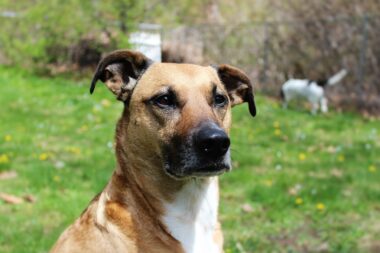
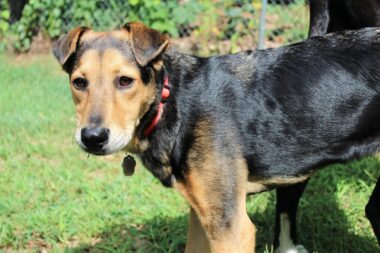
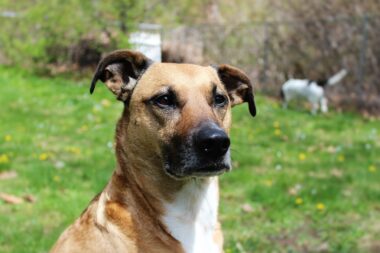
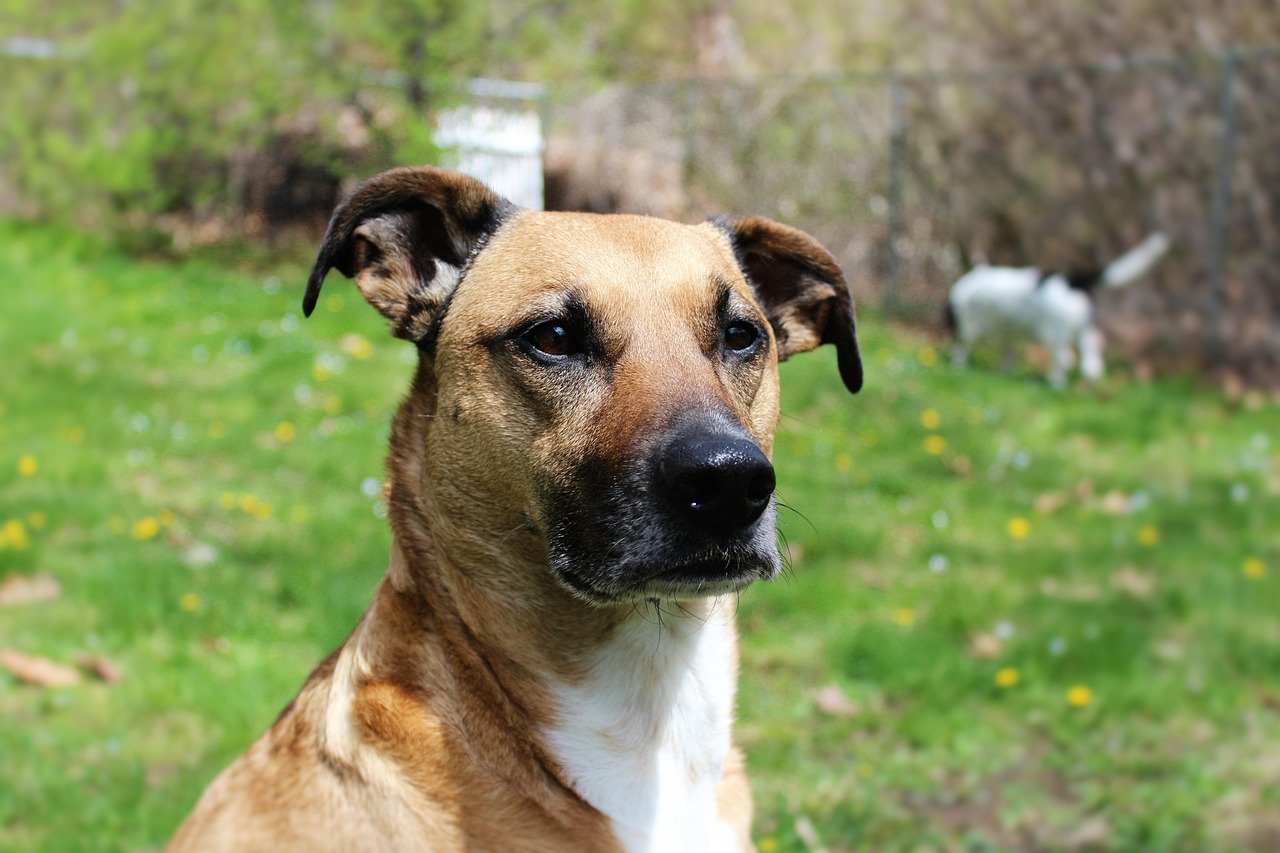
Dog photography plays a crucial role in the lives of rescue dogs, showcasing their unique markings and features that make them special. Many rescue dogs carry scars or differences that tell a story, often reflecting their resilient spirit. As a photographer, your task is to capture not just their physical appearance but their personalities as well. Understanding these unique traits will help create a bond between the dog and its potential adopters. Each photograph should focus on the distinct characteristics that make these canines stand out, inviting viewers to see their beauty. Lighting and angles are important elements that can enhance the details of the dog’s coat and expression. Use natural light wherever possible, as it emphasizes their features more vividly. Always aim to highlight their eyes, as they often reveal their emotions. By showcasing each dog’s individuality, your work can raise awareness about the importance of adopting rescue dogs. Through your lens, you can inspire others to see these dogs for who they truly are and the love they have to offer. Your photographs have the power to transform lives, leading to forever homes that every dog deserves.
To enhance your photography skills specifically for rescue dogs, consider these essential tips. First, get to know each dog’s personality and history before shooting. Spending time with them helps to build trust and capture genuine expressions. Use treats or toys to encourage playful poses; this can result in dynamic images. Always be patient and flexible, allowing the dog to find comfort in front of the camera. It’s beneficial to shoot in a familiar environment where they feel at ease. Capture the moments when they’re relaxed or engaged in play, as those candid shots often reflect their true selves. Consider including their special people in some photos, as showing the human-dog bond can add depth to your images. Always prioritize the well-being of the dogs, ensuring they aren’t stressed. Explore various viewpoints—shoot from their level to emphasize their unique markings and features. Editing your photos for clarity and color can help to highlight these distinctive traits even further. Great dog photography invites potential adopters to see the allure of rescued canines, providing a sneak peek into the love and joy they can bring to a family.
When photographing rescue dogs, remember that every dog is unique, with stories embedded within their markings. Some may have spots, stripes, or unusual fur textures that provide visual interest. It’s vital to pay attention to these details, ensuring they are showcased compellingly. Utilizing composition techniques, like the rule of thirds, can create more impactful images. Photographers should be mindful of backgrounds—selecting simple, unobtrusive settings helps the dogs stay the focal point of your images. Avoid busy environments that might clash with the dog’s features. Working with a variety of colors against the dog’s coat can create visual harmony. Dogs often express themselves through their body language; capturing these subtle cues is crucial in conveying their emotions. Don’t shy away from close-up shots, as they can reveal intricate details about the dog’s fur and markings. By focusing on these features, you can convey a sense of personality and spirit that resonates with potential owners. Take the time to edit your photos properly; adjustments in contrast and brightness can highlight the charming characteristics of rescue dogs, making them irresistible to prospective adopters.
The Importance of Background in Dog Photography
In dog photography, the background serves a critical role in enhancing the appeal of your subject. Rescue dogs often have diverse coats, so it’s essential to choose backgrounds that complement their fur colors. Neutral or soft-color backdrops can create a striking contrast, drawing attention to the dog itself. Look for locations with natural beauty, such as parks or gardens, that will not only frame your subject beautifully but also reflect the vibrancy of their personalities. Make sure there are no distractions in the background that might take away from the dog’s features. Simple settings, like grassy fields or a wooden fence, often work wonders in achieving professional-looking photographs. When shooting indoors, consider using plain walls or soft furnishings that enhance the dog’s markings. Changing the distance between the camera and the dog can also blur any distracting elements in the background. This technique helps ensure that your rescue dog remains the center of attention in each photograph, allowing their unique beauty to shine through clearly. Ultimately, a well-chosen background reflects the context of their rescue stories and adds depth to your photography.
Utilizing props in your dog photography session can bring enthusiasm and creativity when capturing rescue dogs. Props can include simple items like a favorite toy or scarf that reflect the dog’s character. These additions help promote a playful atmosphere during the shoot. You might also want to incorporate seasonal elements for additional context and charm, like pumpkins in fall or flowers in spring. Props can create unique compositions that emphasize the dog’s unique qualities. Consider using signs that share the dog’s name or rescue organization’s message—it can engage viewers, prompting them to learn more. When working with props, ensure they are safe and comfortable for the dog; the last thing you want is to distract them or make them uncomfortable. Encourage interaction with the props; this can elicit natural expressions, enhancing the emotion of your capture. Remember to incorporate both candid and posed shots for a range of images that showcase the dog’s personality in different lights. Ultimately, props can enrich the storytelling aspect of your photography, leading prospective adopters to connect with the dogs on a deeper level.
The editing process for dog photography is where the magic often happens. Once you have captured your images of rescue dogs, it’s essential to refine them for maximum impact. Start by selecting the best shots, focusing on those that highlight the dog’s unique markings and personality. Adjustments to exposure and contrast can bring the dog’s fur to life, while cropping can eliminate distractions and better frame your subject. Fine-tuning colors enhances the captivating hues you want to spotlight; consider sharpening details to make their eyes sparkle and fur textures pop. However, moderation is key: avoid over-editing as it can lead to an unnatural appearance. Create a cohesive style for your photography series that reflects the character of the dogs and enhances their stories. Remember, many adopters look for authenticity and heart in these pictures, so stay true to the dog’s real appearance. After completing the editing process, curate a selection of images for your portfolio or social media. These captivating representations of rescue dogs can inspire many potential adopters, highlighting the importance of rescue efforts in the community and the love these dogs have to offer.
Conclusion: The Impact of Dog Photography on Rescue Efforts
Dog photography serves not only as a form of artistic expression but also plays a significant role in promoting rescue dogs and their journeys. By capturing the unique features of rescued canines, you can convey their resilience and individuality effectively. Each photograph helps to narrate a story, creating emotional connections for potential adopters. Social media platforms have revolutionized the visibility of rescue dogs, and striking images are far more likely to capture attention in scrolling feeds. High-quality, compelling images foster the idea that rescued dogs can become beloved family members, paving their way toward a loving home. Photography can shed light on various challenges these dogs face, raising awareness for issues like abandonment and neglect. Consistent sharing of quality images and rescue stories can mobilize communities to support rescue organizations. Each photo you take is a piece of art that influences hearts and changes lives for the dogs in need. As a dog photographer, your work is vital in showcasing their beauty and igniting passion for adopting these incredible companions.
In conclusion, the art of dog photography, particularly focusing on rescue dogs, serves multiple functions that extend beyond beautiful imagery. By carefully capturing and showcasing the unique markings, features, and personalities of these dogs, you have the chance to bridge the gap between uncertainty and adoption. The photographs you create can drive not only awareness but also inspire action from viewers who may be thinking about bringing a rescue dog into their home. Every dog deserves to be seen and loved, and your images play a vital role in telling their stories. Strive always to evoke emotion and connection through your photography, aiming for the raw beauty that rescue dogs possess. As you refine your craft, you can use these moments of joy, resilience, and love to change the narrative surrounding rescue pets in your community. The work you do can lead to countless success stories, transforming lives one photograph at a time. Never underestimate the profound impact of showcasing the stories of these extraordinary creatures, as they will inevitably change lives, both for the dogs and the humans they touch.