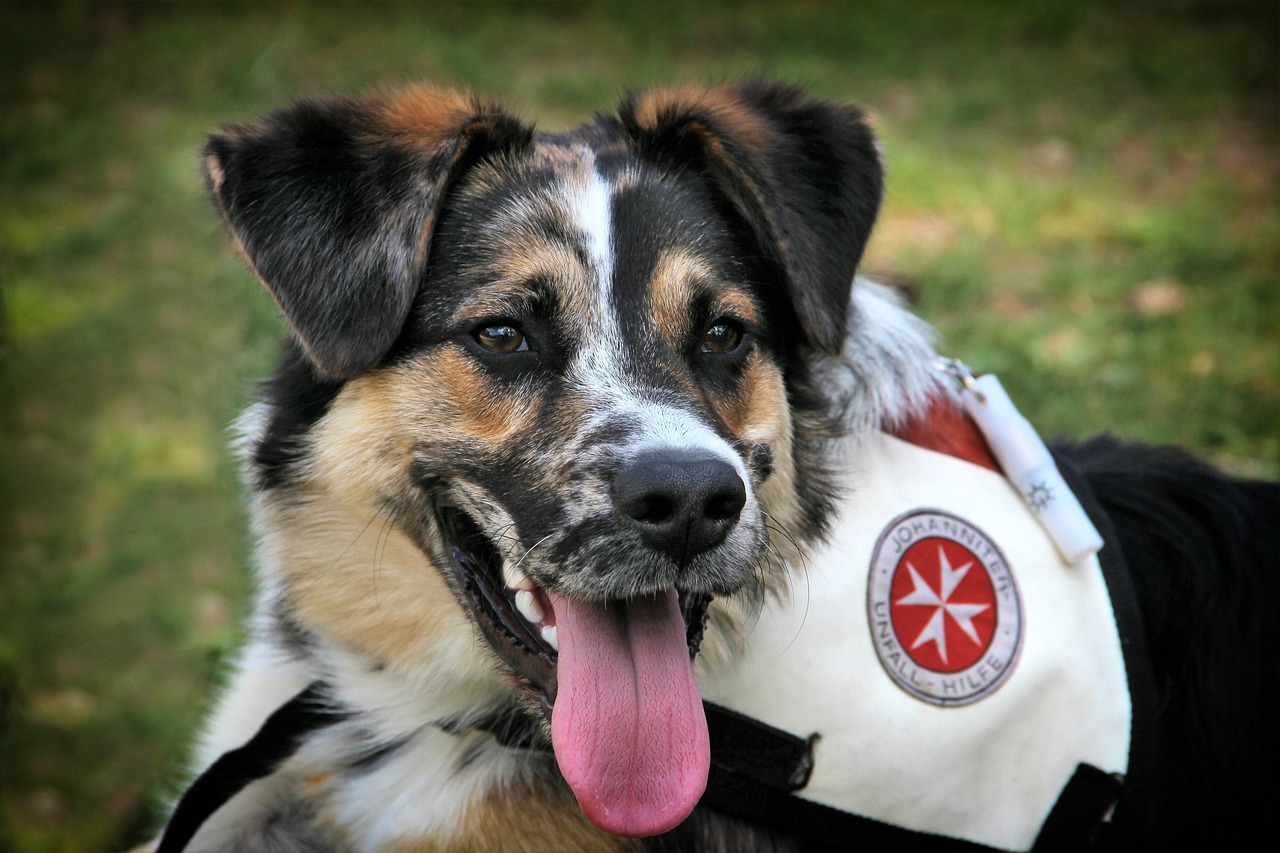

First Aid and Emergency Response in Dog Rescue Workshops
Dog rescue workshops play a crucial role in equipping enthusiasts with necessary skills to assist animals in distress. When dealing with emergency situations, the first step is to remain calm and assess the environment for safety, both for the rescuer and the dog. It is vital to understand how to approach an injured dog cautiously, as its instinct may be to retreat or react defensively due to fear or pain. Training in first aid can include understanding the basic anatomy of dogs, which helps responders locate injuries accurately. Rescuers learn how to administer basic treatments such as applying bandages, performing CPR, or managing shock. Workshops often include practical demonstrations that simulate real-life rescue scenarios, teaching techniques to minimize a dog’s stress and help stabilize its condition until professional help is available. Participants are encouraged to practice these essential skills repeatedly, gaining the confidence to perform them effectively when needed. First aid training can be a lifesaver in emergencies, ensuring that both the rescuer and the dog are prepared for challenging situations that may arise during rescues.
Understanding the importance of communication during rescues is another vital aspect taught in these workshops. Rescuers must not only be aware of their communication with the dog but also with fellow rescuers and veterinary staff. Effective communication ensures a smoother rescue operation, with each team member informed about their roles and responsibilities. Participants learn to use calming vocal tones that can help reassure scared or injured dogs, making the rescue process less traumatic for everyone involved. They practice how to create a safe zone for the animal, allowing it to feel secure while being handled. Workshops also introduce tools and equipment essential for these operations. For instance, muzzles may be necessary for certain dogs to prevent biting, while harnesses can help safely lift injured pets. Additionally, attending organizations may provide access to resources and accreditation, validating the training offered. Understanding these tools significantly increases the success of rescue missions. Workshops are structured to maintain engaging, hands-on learning environments where participants can ask questions and share personal experiences with fellow rescuers.
The Role of Nutrition in Dog Recovery
Nutrition plays a significant role in the recovery of rescued dogs. Workshops often highlight the importance of providing proper nutrition to the dogs in their care, especially post-rescue. Rescuers learn how to evaluate the nutritional needs of dogs based on their size, breed, age, and health status. Providing the right food can aid in recovery, help maintain energy levels, and promote a healthy coat and skin. This knowledge is essential, especially when a dog has been neglected or abused. Understanding dietary requirements empowers rescuers to make informed decisions about the foods they provide, ensuring the animals receive balanced meals. Workshops often include demonstrations on preparing meals tailored to different dogs and their unique needs. This can include homemade recipes, supplements, and how to choose high-quality commercial foods. Moreover, the psychological benefits of proper nutrition cannot be overlooked. Dogs that receive adequate nutrition tend to exhibit better behavior, aiding in their socialization and adjustment post-rescue. Overall, understanding the challenges of transitioning dogs into permanent homes is crucial, and nutrition forms a foundational part of this effort.
Moreover, workshops emphasize the importance of understanding the emotional and psychological aspects involved in dog rescues. Many dogs have suffered trauma that affects their behavior and interaction with humans. Rescuers learn methods to help dogs adjust positively in new environments, reducing anxiety and fear. Training often addresses behavioral issues such as aggression or severe shyness found in many rescue dogs, equipping volunteers with strategies to manage these challenges effectively. A significant focus of discussions also includes the need for patience and empathy during the rehabilitation process. Recognizing that changes do not happen overnight is essential for the dog’s well-being and recovery. Participants engage in role-playing exercises that simulate various behavioral scenarios, allowing them to practice the strategies they have learned. These practical experiences foster a supportive environment where everyone can share their insights and struggles. Workshops aim to create a community of well-informed rescuers who understand the unique challenges that come with rescuing dogs. By cultivating a deeper emotional understanding, volunteers are better equipped to handle the complexities of dog rescue operations successfully.
Handling Dogs in Emergency Situations
Handling techniques during emergencies are a significant focus of training in dog rescue workshops. Participants learn crucial skills for safely managing dogs in urgent situations. One major point is to recognize signs of stress or aggression in dogs, ensuring they approach each situation with caution and strategy. Use of equipment such as leashes, muzzles, or collars becomes an essential part of the training, allowing the rescuer to maintain control without causing further distress to the animal. Trainees are taught the best practices for loading a dog into vehicles, administering basic first aid, and the correct positioning of dogs during transport to veterinary services. Additionally, workshops address the factors that contribute to a dog’s stress and anxiety during rescues. Knowledge gained in proper handling minimizes risks for both rescuer and dog. Attendees often engage in role-playing scenarios to practice these techniques, fostering confidence and quick thinking in real-life situations. With the heightened awareness of an animal’s body language, rescuers can ensure they provide safe and effective assistance to dogs in need, while also maintaining their own safety during the rescue process.
Rescue workshops also teach the vital importance of teamwork. Each dog rescue operation often involves multiple volunteers, making effective teamwork essential for success. Participants engage in team-building exercises that promote collaboration, communication, and camaraderie. Understanding each team member’s strengths allows them to assign roles effectively during rescues. These exercises encourage sharing of best practices and experiences that can improve future rescues. Training often involves simulations where participants must work together to resolve rescue scenarios under pressure, helping to reinforce strategies and lessons learned. Volunteers learn that keeping a positive attitude in challenging situations significantly impacts the outcome of rescues. Moreover, fostering a spirit of collaboration enhances both the efficiency of operations and the overall experience of rescuing dogs. Resource sharing can enhance the effectiveness of different teams, combining knowledge to result in quicker responses to emergencies. By building relationships among rescuers, workshops aim to create a supportive network that extends beyond training sessions, providing a reliable support system for all involved in dog rescue efforts. This sense of community nurtures a collective commitment to animal welfare.
Conclusion: The Impact of First Aid Training
In conclusion, first aid and emergency response training in dog rescue workshops profoundly impacts animal welfare. By equipping volunteers with the skills necessary to assess and stabilize animals in distress, these workshops significantly improve rescue outcomes. Knowledge gained from proper first aid techniques can make the difference between life and death in emergency situations, further emphasizing the need for comprehensive training. The integration of nutrition and emotional support training alongside practical rescue skills ensures a holistic approach, reflecting the complexity of animal rescue efforts. Participants continually share experiences, fostering a culture of learning that enhances both individual and group skills within the rescue community. As dog rescue efforts adapt to new challenges, ongoing training proves essential. Workshops encourage constant growth, enabling the community to respond to an evolving environment effectively. This dedication ultimately leads to better outcomes for dogs in need of care. With a strong foundation in first aid and emergency response, rescuers become empowered advocates for the animals they work hard to save. The impact extends beyond just sessions, inspiring a dedicated commitment to the welfare of every dog in their lives.
Whether you are new to dog rescue or an experienced volunteer, participating in workshops can be incredibly rewarding. Continuous learning and skill enhancement ensure that rescuers maintain a high level of preparedness for any situation. Engaging with other passionate individuals in the community fosters a sense of belonging and collaboration, strengthening efforts to help dogs in need. As knowledge spreads and skills develop, more lives can be positively impacted through effective rescue operations. Rescuers become leaders in their communities, guiding others on the best practices for assisting dogs. The potential for positive change can inspire many, prompting a ripple effect throughout dog welfare organizations. Participation in these programs creates a powerful network of like-minded individuals devoted to animal advocacy. Every skill acquired in workshops contributes to improved rescue techniques. Additionally, participants are likely to build long-lasting relationships that stand the test of time. Thus, investing time in dog rescue workshops is beneficial for both the self and the animals being helped. Everyone involved finds fulfillment in their collective mission to make a significant difference in the lives of dogs.