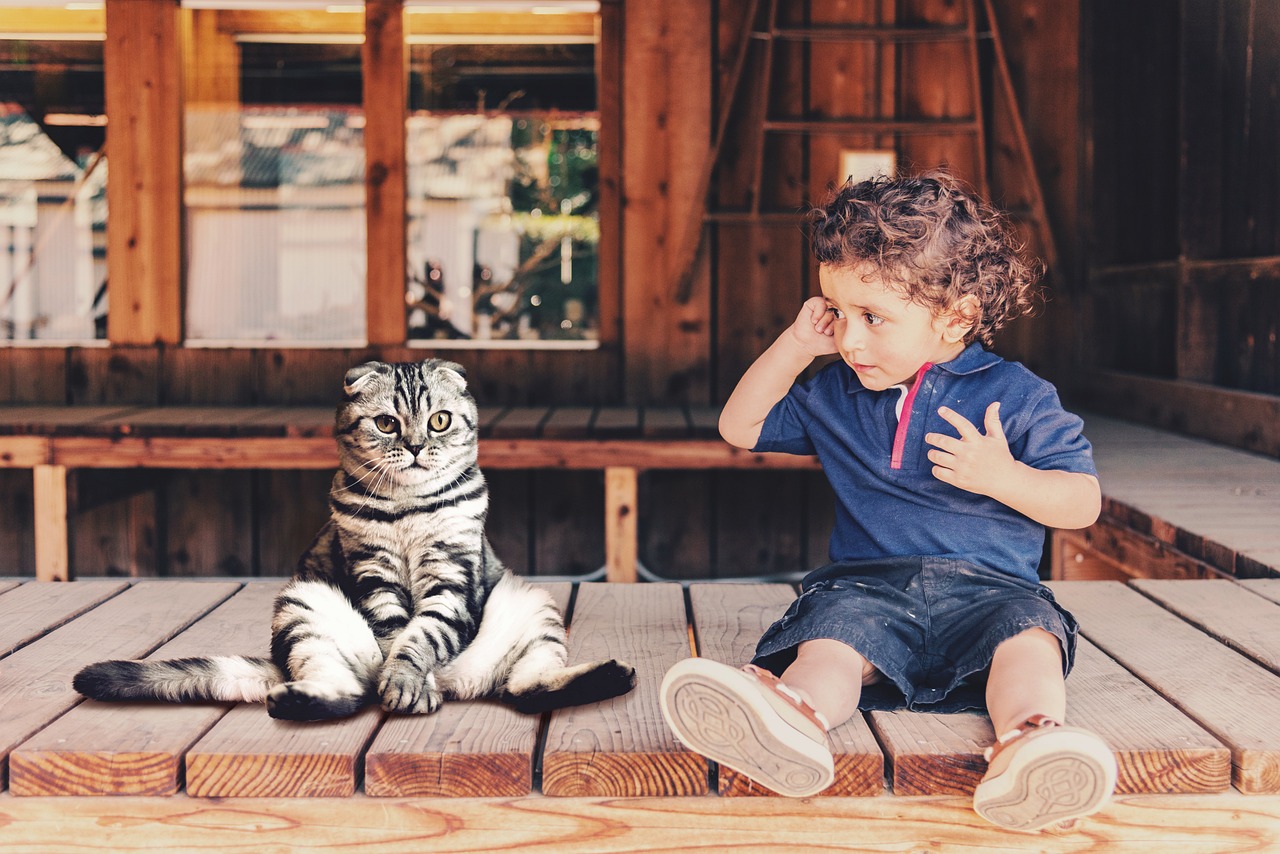

How to Introduce Your Cat to a New Child in the Family
Introducing your cat to a new child can be an exciting yet daunting experience. Start by preparing your cat ahead of time. Ensure they have a safe space they can retreat to, such as a cozy area or a cat tree, where they can observe from a distance. Allow your cat to adjust to new sounds and smells associated with the child, such as toys and baby smells. It’s important not to rush the introduction, as this can lead to stress for both your cat and the child. Children should also be educated about how to approach and interact with cats. Teach them to be calm and gentle. Remind your child that sudden movements or loud noises may scare the cat. Supervised interactions are crucial; this allows you to observe both your cat’s and your child’s behaviors and adjust accordingly. Provide guidance on how to pet the cat appropriately and what signs of discomfort to look out for. In short, creating a secure environment for both will ease the transition for your growing family.
After setting up a safe space, it’s time to slowly introduce your cat to the new family member. Begin with short, supervised visits where the child can see the cat from a distance. Over time, this can gradually become closer, allowing the child to sit on the floor quietly near the cat’s safe space. Encourage the child to gently speak to the cat, using a soft voice to avoid startling them. It’s beneficial to use treats to form a positive association: give the cat treats while the child is present, so they learn that good things happen when the child is around. Monitor the cat’s reactions closely; if they seem stressed or frightened, allow them to retreat to their safe space. Always prioritize the cat’s comfort while teaching your child to respect those boundaries. Each interaction is an opportunity for both to learn. Take your time during this phase, adjusting the pace based on your cat’s behavior. Remember, every cat is different, and some may take longer to adapt than others. Your patience here will foster a healthier relationship between your cat and child.
Monitoring Behavior
As your child becomes more comfortable with the cat, observe their interactions closely. Look for signs that indicate how well the cat is adjusting. For example, if the cat is exhibiting relaxed body language—such as a straight tail, slow blinks, or even approaching the child—these are positive signs. Conversely, if the cat hides, hisses, or shows other signs of stress, it’s essential to reassess the situation. Creating positive experiences is vital, so consider interactive playtime sessions where the child can engage the cat with toys like feather wands or laser pointers. This can promote bonding and trust while allowing the cat some control over the interaction. Also, teach your child to recognize when the cat wants space and how to respond accordingly. For instance, a cat that flicks its tail or flattens its ears may be signaling discomfort. Reinforcing these signals helps children learn empathy towards animals. Over time, consistent, positive experiences will build a strong bond, leading to rewarding companionship for both your child and your furry friend in the family.
Encouraging safe play is equally important. If your child is eager to play with the cat, supervise all sessions to ensure safety for both. Equip your child with appropriate toys that can be shared, which minimizes the risk of scratching or biting. Toys like soft balls or interactive puzzles are excellent for engaging your cat while keeping the interactions enjoyable for the child. Avoid using hands or feet as playthings, which can lead to misunderstandings and encourage rough play. Instead, demonstrate appropriate ways to engage with the cat using toys. Be consistent about the rules of play, ensuring the child understands that pulling tails or grabbing the cat is unacceptable. It’s good practice to teach your child how to read the cat’s cues and respond accordingly. Having an understanding of body language will teach them respect for boundaries. Reinforcing these guidelines will not only protect the cat but will also help foster a gentle approach to animal care that can extend beyond this experience. Together, both your child and cat can learn to enjoy each other’s company safely.
Introducing New Sounds
New sounds associated with a child are inevitable, and cats can be sensitive to such sounds. Prepare your cat by gradually introducing these noises. Use recordings of baby sounds, such as cooing or crying, and play them at low volumes while your cat is comfortable. This acclimatization process can reduce fear or anxiety when the new child arrives. Similarly, if there are toys that make noises, introduce those sounds beforehand to allow your cat time to adjust. Each time they hear these new sounds, treat them positively to reinforce that these sounds are non-threatening. Be careful to monitor their reactions and adjust the volume as necessary. If your cat shows signs of stress, lower the volume or stop the exercise altogether and try again later. Note that some cats adjust quickly while others may take longer to accept these changes. Keep their well-being a priority. Ultimately, successful exposure to new sounds will strengthen your cat’s adaptability and resilience to the many changes that a new child brings into the household, fostering a harmonious environment.
Activity levels may drastically change with the arrival of a child. Cats thrive on routine, and sudden disruptions can affect their well-being. To ensure your cat remains happy, keep a consistent feeding and grooming schedule. Providing scheduled playtime can also maintain a sense of normalcy. Consider creating specific times in your daily routine dedicated to the cat’s needs. This will help your cat feel secure despite the new dynamics and ensure they still receive the love and attention they need. Additionally, make an effort to give your cat alone time in their designated space where they can relax without interruptions. This retreat will aid in reducing stress levels. Encourage family members to acknowledge the cat’s presence and engage with them regularly, thus preserving the bond between your family and your feline. If you notice negative behavior such as increased aggression or withdrawal, consult with a veterinarian or animal behaviorist. They can provide personalized advice and strategies to handle the changes effectively. Remember, patience and commitment will be the keys to successfully merging your family and ensuring the happiness of everyone involved.
Gradual Integration
As the days progress, fostering a bond between your cat and the child will lead to smoother integration. Keep interactions regular but short to avoid overwhelming your cat. Gradually allow your child to engage in low-maintenance activities with the cat, such as offering treats or grooming. These interactions create positive associations, reinforcing that good things happen when they are together. A crucial part of this integration is mutual respect. It is vital that your child learns how to approach the cat gently, perhaps asking permission before touching. Teach them to approach the cat while allowing it to initiate contact. Facilitate regular, supervised together time, ensuring both the child and cat are comfortable. If they develop a rapport, you may notice the cat shifts from observing from afar to interacting more openly. Encourage gentle games while reminding the child what behaviors are appropriate. Each small win will strengthen their connection. Take time to celebrate these milestones; they demonstrate progress. Gradual integration paves the way for a lasting friendship, with both the cat and child thriving in this new relationship.
Ultimately, the goal is to cultivate a safe and loving environment for both your child and your cat. Consistency, patience, and understanding will facilitate a smooth transition following the arrival of a new family member. Acknowledge that feline interactions can vary significantly based on personality and past experiences. Each cat is unique, and adapting approaches based on initial observations is vital. Encourage positive reinforcement, celebrating every achievement, whether big or small. Continue to guide your child on safe practices while supporting your cat’s comfort throughout the process. Your family unit can grow successfully, leading to moments filled with joy and companionship shared between your child and fluffy friend. As the bond grows stronger, both child and cat will benefit from mutual affection and trust. They will look forward to shared adventures, forming lifelong memories. To conclude, creating a harmonious relationship requires effort, love, and kindness. With the right approach, your new family dynamic will flourish, providing joy to all and showcasing the beauty of having a pet at home. The journey may take some time, but it’s ultimately rewarding and worth the commitment.