
How to Safely Handle Your Cat During Nail Trimming
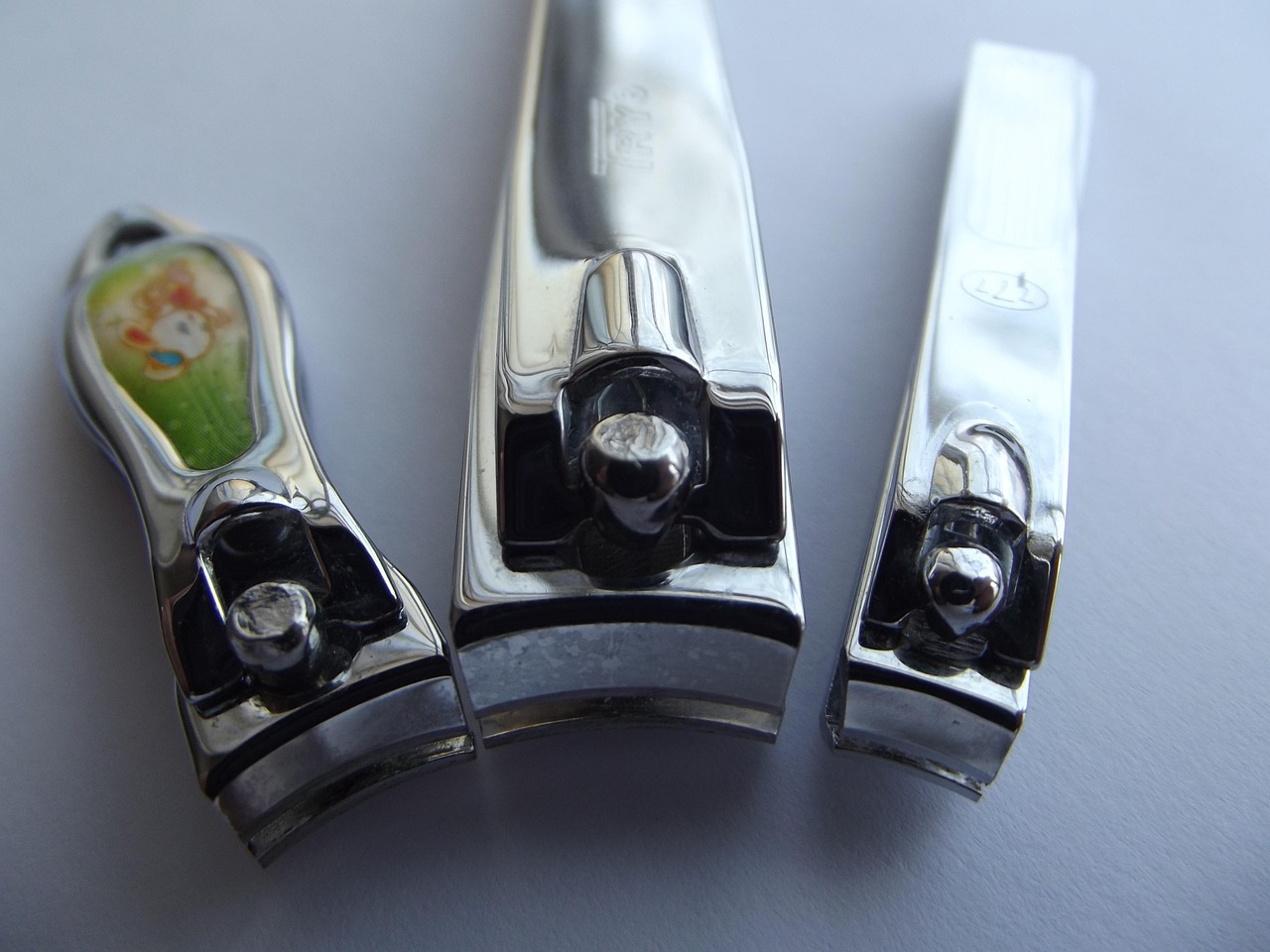
Nail trimming is an essential yet often stressful task for both you and your feline friend. Cats frequently resist having their paws handled, leading to anxiety during this grooming process. To make nail trimming a more positive experience, it’s crucial to take gradual steps and build familiarity. Start by getting your cat accustomed to having their paws touched without any clippers involved. Gently handle their feet while reward training with treats and affection. It’s essential to proceed at a pace that keeps your cat comfortable. In addition to desensitization, gather the right tools, such as proper kitty nail clippers or even small human nail clippers for larger cats. Have everything ready beforehand, as being prepared can reduce stress. More importantly, create a calm environment conducive to a successful trimming session. You can also consider utilizing a soft blanket to help hold your cat still. If needed, seek assistance from a partner to gently keep your cat’s paws secured while you work. Always ensure safety for both you and your cat once the actual nail trimming begins.
During the nail trimming process, understanding your cat’s body language is vital. Pay attention to their posture and facial expressions to gauge their comfort level. If your cat seems tense, allow them a break and give them extra affection. Implementing short trimming sessions can also help reduce anxiety, especially in nervous cats. Focus on trimming just one or two nails at a time, rewarding your cat afterward with praise or a small treat. This approach encourages them to associate nail trimming with positive experiences. Additionally, consider waiting until your cat is naturally relaxed, such as after a meal or play session. This timing helps your cat feel less threatened. Make sure to trim only the white or clear part of the nail while avoiding the pinkish area known as the quick, as cutting this will cause pain and bleeding. If you accidentally cut too short, have styptic powder ready to stop the bleeding. Over time, as your cat becomes more accustomed to the process, you can gradually increase the length of the trimming sessions, fostering a more efficient grooming experience.
Introducing your cat to nail trimming tools ahead of time can also ease their anxiety. Let your cat smell and inspect the clippers without using them at first. Provide positive reinforcement during this exploration phase to create a positive association. Gradually progress to gently touching the clippers to their nails while providing treats and praise. Keep your movements slow and gentle, reducing the chances of startling them. If possible, practice positive reinforcement techniques by saying commands like “good” or “easy” when they remain calm during the handling. Additionally, familiarizing your cat with the sound of the clippers beforehand can immensely help, as many cats are startled by noises. You might even advance to lightly clipping a small portion of their nails when they are least alert. Constant positive interactions and patience are critical during this training phase. Further, never punish your cat during these sessions, as it can lead to long-term fear. Each engaging session is an opportunity to improve your cat’s confidence and help build trust between you during this routine grooming ritual.
Seek Professional Help if Necessary
Not all cats will easily accept nail trimming. If your efforts yield little success, it might be time to consult a professional groomer or veterinarian. Experienced groomers are accustomed to handling all types of temperaments and can often complete the task efficiently while minimizing stress for your cat. Some may also offer recommendations tailored specifically to your cat’s needs, providing tips on acclimating your pet to at-home grooming. In certain situations, medication or natural calming aids might be suggested to ease your cat’s anxiety. Always consult your veterinarian before introducing supplements or medications to manage behavioral issues. Regular appointments with professionals can help familiarize your cat with the person trimming their nails, gradually making the task easier over time. Do remember to share any fears or anxieties your cat may exhibit during grooming sessions so that professionals can implement the best strategies. Ensure you remain present during these sessions to help your cat feel secure. Once your cat behaves better for grooming at the vet or groomer, you can revisit home sessions with their newfound comfort in mind.
Always keep safety as the number one priority during your cat’s nail trimming. Ensure you position your cat comfortably on your lap or on a flat surface for effective control. A towel can also be draped if your cat is a bit squirmy, minimizing unexpected movements. Additionally, ensure you keep all grooming tools within reach, reducing interruptions and maintaining focus on your cat. Move slowly and calmly to prevent startling them, and for particularly anxious or fearful cats, keep a comforting blanket or favorite toy nearby. This might help create a more soothing atmosphere. You might even play soft music in the background, engaging your cat’s senses positively. Patience, along with consistent practice, is essential in gaining trust from your feline friend and reducing their overall anxiety toward grooming. Always remain vigilant of your cat’s reactions, and back off if they start to become tough to handle. Remember to avoid the area around the quick to prevent any discomfort or bleeding. Eventually, with a positive approach, you can turn nail trimming into a more manageable task for both you and your cat.
Once you have established a routine, it’s essential to continuously reinforce the positive outcomes of nail trimming. Make it a habit to offer rewards immediately after each successful session, which can include treats, petting, or playful interaction. This solidifies the association between grooming and good experiences and further encourages compliance. Keep track of your cat’s nail length and set a regular schedule for trimming to prevent them from becoming overly long again. Ideally, aim for every two to four weeks, depending on your cat’s breed and activity level, as firmly established habits lend themselves well to behavioral learning. Additionally, stay aware of seasonal changes. During warmer months, cats tend to be more active outdoors, which may require more frequent trimming. Adjust your routine based on how your cat naturally adapts. Lastly, bring in fun elements to the process. Perhaps incorporate a unique , well-deserved treat at the end of each session as a surprise reward. Your kitty will start looking forward to the entire experience, making future sessions easier to manage. Ultimately, you will strengthen your bond with your pet during this crucial grooming ritual.
Conclusion: Building Trust with Nail Trimming
Developing a comfortable nail trimming experience for your cat requires time, patience, and understanding. Each cat has unique needs and responses to handling, so customization of your approach is critical. By practicing positive reinforcement techniques and observing their body language signals, you can take significant steps toward making nail trimming a stress-free routine. Create calming environments and adopt gradual exposure methods to ensure your cat feels secure during grooming. Seek professional help when necessary as a support system for both you and your pet. Safety precautions remain fundamental throughout nail trimming to prevent accidents and ensure your cat’s comfort during the process. Most importantly, be sure to celebrate progress, however small, to bolster confidence. Regular follow-ups and established schedules help in achieving nail trimming mastery. You’ll gradually build a level of trust with your cat, transforming trimming into a shared bonding experience rather than a point of fear. With love and patience, you can successfully turn this necessary aspect of cat care into an easy-going task that strengthens and enriches your relationship with your feline friend.
It’s vital to remember that each cat behaves differently. Consequently, be adaptable and change your approach based on your cat’s reactions. If they show signs of improvement, continue with the methods that proved successful. Conversely, if specific techniques do not work, adjust your approach and experiment with different strategies. Staying observant will help you understand your cat’s feelings towards nail trimming. Whether through frequent praise or additional treats, reward any positive behavior. Always strive to make the experience as positive as possible for your cat. Progress will vary based on your cat’s personality and comfort level. Establishing a consistently safe space for your cat during grooming sessions leads to long-term success. Overall, developing a positive relationship requires commitment and empathy from their human companions. With time and effort, routine nail trimming can evolve into a seamless, anxiety-free experience. Adapting your methods as your cat’s stage of life changes will ultimately improve their overall comfort and acceptance of grooming tasks. Remember that the goal is not just trimmed nails but a happier, healthier kitty that trusts you. The more you practice these techniques, the more successful you’ll be.