
Mastering the Art of Trimming Dog Hair with Scissors
Successfully grooming your dog requires the proper techniques, especially when using scissors. Prior to starting, ensure that you have all the necessary tools, which not only include scissors but also combs, brushes, and clippers. Scissors should be of high quality; blunt ones could cause discomfort to your dog. It’s essential to choose the right type of scissors, typically curved or straight, each serving different grooming purposes. A good grooming routine involves familiarizing your dog with the atmosphere, ensuring they are comfortable and secure. Always brush your dog prior to cutting hair; this helps prevent tangles and allows you to assess which areas require attention. Depending on your dog’s breed and coat type, specific grooming techniques will apply. For instance, longer-haired breeds may need special care to avoid matting. Always remember to have treats at hand as rewards to reinforce positive behavior during grooming. Additionally, consider using a non-slip mat under their paws; this adds stability, making the experience less stressful for both of you during the grooming process.
Effective grooming sessions can significantly enhance the overall appearance and health of your dog. Before diving into trimming, familiarize yourself with your dog’s behavior and temperament. Understanding their reactions can give you insight into when to be gentle, use firm handling, or take breaks. Short grooming sessions might be necessary for anxious dogs, allowing for a more enjoyable experience. Regular grooming is vital because it helps to eliminate loose fur and dirt while simultaneously promoting a healthy coat. Schedule grooming sessions consistently, ideally every 4-6 weeks; this creates a routine that your dog can get accustomed to over time. Equipped with the right tools, it’s then time to begin trimming hair. Always start with a test cut on an inconspicuous area to check your dog’s reaction. Remember to work slowly and steadily, especially around sensitive areas like the ears and paws. Additionally, for safety, never leave your dog unattended on a grooming table. Each cut should be deliberate to ensure an even trim throughout; this creates a polished look and helps maintain your dog’s comfort during the process.
Choosing the Right Scissors for Grooming
Picking the right scissors is crucial to achieving a good finish. Scissors come in various shapes and sizes, allowing you to cater to different grooming styles. For instance, straight scissors are great for removing excess hair, providing clean lines. Curved scissors, however, can help achieve a natural look on areas like the ears and legs. There are also thinning shears, designed to reduce bulk without significantly altering the length. These are particularly useful for longer-haired breeds, helping to create a more layered appearance. When choosing scissors, also look for ergonomic designs that reduce strain on your hands during prolonged grooming sessions. It’s wise to invest in high-quality grooming scissors as they perform better and last longer. Regularly sharpen your scissors to maintain their effectiveness; dull blades can be frustrating and unsafe. Cleaning your scissors after each use is also vital to prevent infection or irritation caused by residue or hair. Ideally, take your time to understand how each type of scissors behaves; practice on plush material can help you gain confidence before working on your dog’s coat directly.
Once you’ve acquired the right tools and knowledge, setting up a conducive grooming environment is key. A well-lit and quiet area can help your dog feel more relaxed during the grooming process. Ensure that grooming equipment is easily accessible. Having everything organized can significantly speed up the grooming time and minimize stress. In addition to choosing a specific location, make sure that you have a comfortable grooming table or mat for your dog to stand on. This helps in keeping your pet secure and stable as you work. With your tools within reach and your dog situated comfortably, start by establishing contact. Gently pet your dog while introducing the equipment, allowing them to get familiar with its appearance and sound. Regularly checking in with reassuring words can make them feel at ease. Additionally, turning on some calming music or white noise can help mask any potentially startling sounds, making the environment more pleasant. Maintaining a calm demeanor yourself is equally important, as pets often mirror their owner’s attitudes during grooming sessions. If your dog exhibits signs of anxiety, step back and give them a moment before resuming the process.
Techniques for Effective Trimming
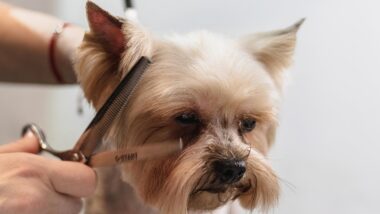
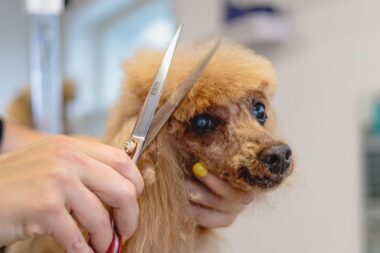
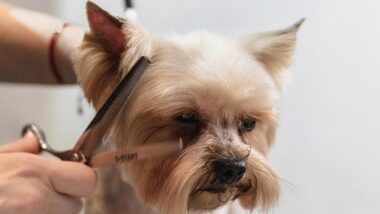
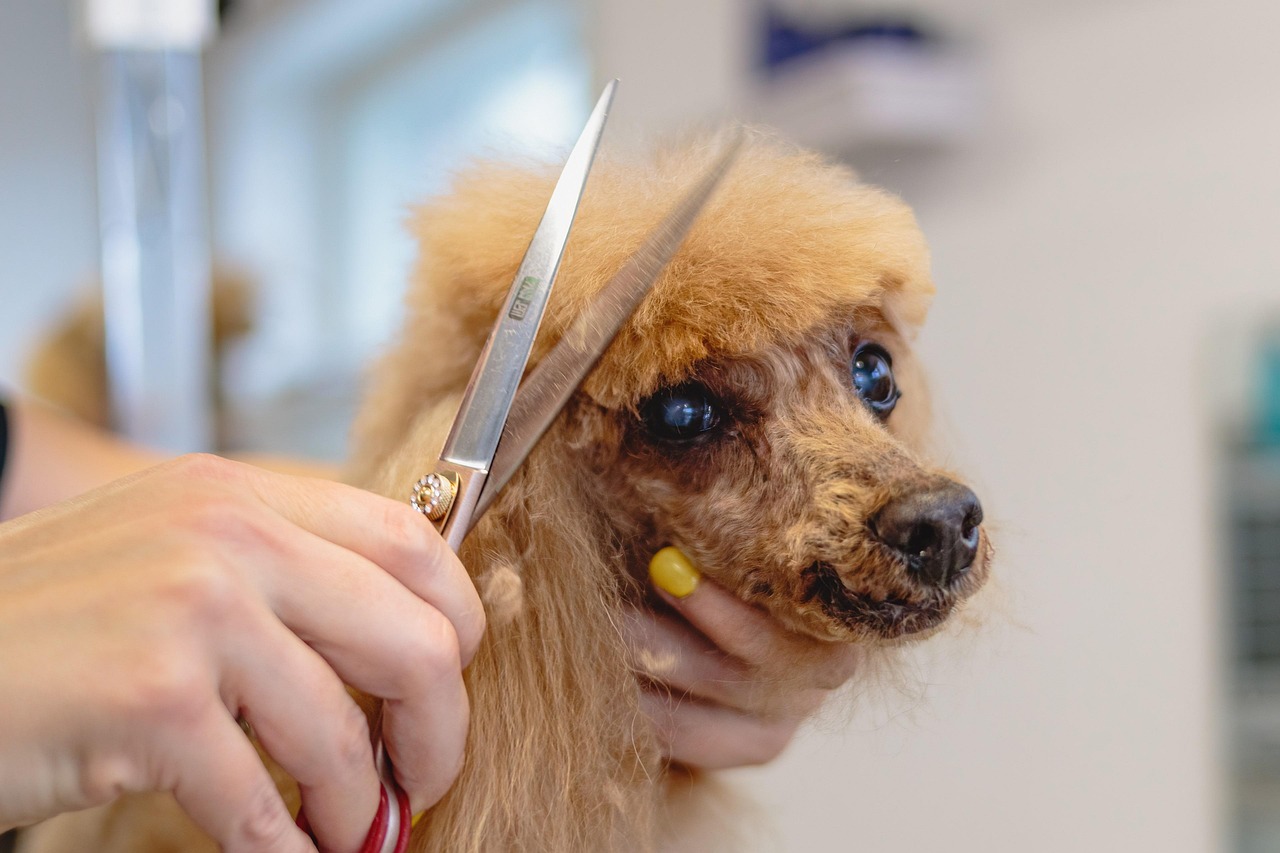
Once your dog is comfortable and you are ready, remember to use proper techniques while trimming. Always work systematically, beginning from the top and moving downward, ensuring that you maintain an even length. For easier handling, separate the hair into sections using clips or bands. This will minimize confusion and allow you to focus on each section distinctly. When employing scissors, use slow, even cuts; this reduces the risk of mistakes and makes the process smoother for both of you. An effective technique is to use the comb as a guide while cutting with the scissors, this prevents taking off too much hair in any given area. Also, remember to lift the hair gently while cutting to achieve a natural look. When trimming around areas such as the eyes, take care to use rounded-tip scissors to minimize any possible accidents. Equally, prioritize maintaining a clean workspace throughout; this not only helps in achieving the best results but also ensures the health and safety of both you and your pet. Remember your dog’s coat can affect thermal regulation, so being thorough can greatly contribute to their comfort and well-being.
As you progress with your grooming sessions, consider incorporating different styles that could suit your dog’s unique personality. Each dog breed has distinct grooming standards specifying preferred styles which can be quite fun to explore. Whether you’re looking for a trim that highlights specific breed characteristics or a unique creative flair, slowly experiment with newer techniques as your confidence grows. After mastering basic cuts, you can proceed to more complex styles that might involve blending and texturing. Utilize thinning shears, as mentioned earlier, to create depth and dimension in styles. This is especially useful for long-haired breeds needing a sophisticated look. Furthermore, you could look into different themes like seasonal grooming styles, which can add an exciting twist to traditional grooming. Always consider practicality as well; some styles may be visually striking but require more maintenance. Be sure to tailor your grooming techniques to your dog’s activity level and lifestyle, ensuring that their grooming is both functional and attractive. Lastly, never hesitate to seek inspiration or advice from professional groomers when experimenting with new styles; learning from experienced individuals can yield wonderful results.
Post-Grooming: Care and Maintenance
After the grooming session, it is essential to properly care for your dog’s coat and skin. A well-groomed dog will often feel great, but it is crucial to maintain that appearance through ongoing care techniques. Regularly brushing your dog’s coat post-grooming helps ensure that it stays free from knots or tangles. Implementing a routine helps remove any loose hair and dirt while also promoting a healthy coat. Equally, monitor your dog for any signs of irritation or discomfort after a grooming session. At times, the use of products like shampoos or conditioners may irritate their skin; thus, always monitor how they react. A quality dog conditioner can assist in keeping the coat hydrated, reducing excessive shedding. It’s vital to ensure a balanced diet supports healthy skin and fur; supplements like Omega-3 fatty acids can enhance coat condition. Ensure that regular vet check-ups are also part of your grooming regimen; this plays a role in ensuring your dog’s overall health and comfort. Creating a post-grooming routine not only benefits your dog’s appearance but also solidifies a trusting bond between you and your furry friend.
Lastly, developing an ongoing relationship with your pet during grooming will lead to a more positive experience overall. Grooming should be a bonding activity that both you and your dog look forward to. Take time to engage them with praise, treats, and even playtime after each successful session. Such reinforcement will build positive associations with grooming over time, thereby easing anxiety during future sessions. Scheduling regular groomings will help to keep their coat manageable, avoiding overwhelming tasks. Additionally, if you feel anxious or hesitant about performing certain cuts, don’t hesitate to seek a professional groomer’s assistance. It’s always okay to continue building your knowledge through workshops or online training aimed at enhancing your skills. Engaging in community groups can offer valuable insights from other dog owners and professional groomers, creating a support network. Remember, every dog is unique, and each grooming experience presents an opportunity to learn and bond. In conclusion, mastering dog grooming with scissors takes practice and patience. Following appropriate techniques will not only enhance your dog’s physical appearance but also contribute to their emotional well-being, creating happier and healthier pets.