
Robotic Groomers: Are They the Future of Dog Care?
The advent of technology in various fields has revolutionized practices, and dog grooming is no exception. Robotic groomers have emerged, promising efficiency and ease in an industry marked by labor-intensive practices. This innovation allows pet owners to look forward to less stressful grooming experiences for their furry companions. One significant benefit is the reduction in anxiety commonly experienced by dogs during traditional grooming appointments. Automating these processes can lead to a more positive experience for pets, as they can remain in a familiar environment. Grooming robots are designed with advanced technology, including sensors to navigate around obstacles and monitor the dog’s comfort level. The appeal of rapid grooming sessions also cannot be overlooked, as robotic systems can expedite the process, freeing up time for groomers. As these machines become more integrated into grooming facilities, the question arises: will they replace human groomers? Factors such as personal touch and human connection may play a crucial role in maintaining the existing grooming dynamics despite technological advances. The future of dog grooming undoubtedly looks intriguing with these developments.
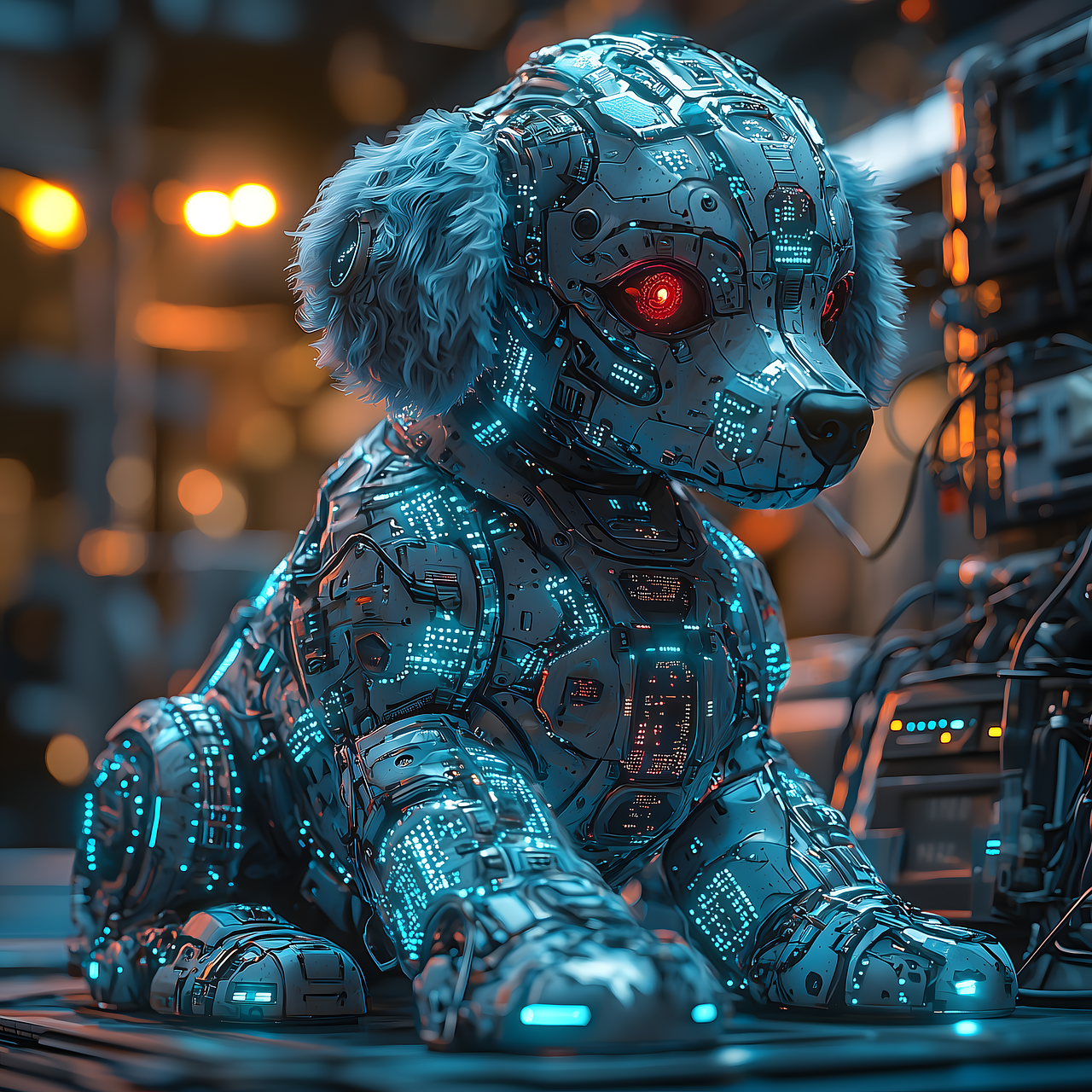
As we continue delving into the potential of robotic groomers, it’s crucial to examine their design and functionality. These cutting-edge machines include specialized grooming tools that replicate human techniques. For instance, high-tech brushes provide the necessary care for various coat types, ensuring that each dog’s needs are met adequately. Additionally, some robotic groomers utilize artificial intelligence, enabling them to learn and adapt to individual dogs’ grooming preferences over time. This personalization enhances the grooming experience and builds trust with pets who may initially be apprehensive about the process. Embedded cameras and monitoring systems allow owners to check on their pets during grooming sessions, providing peace of mind. Furthermore, safety features such as emergency stop buttons and sensing technology help ensure that dogs remain safe throughout the grooming process. The combination of convenience and safety makes robotic groomers attractive not only to professional groomers but also to pet owners who wish to maintain their pets’ hygiene at home. With continuous advancements in AI technology, these innovations are likely to become even more effective and appealing in the years to come.
Economic Implications of Robotic Groomers
The economic implications of adopting robotic groomers in dog care are significant. Initially, the investment in robotic technology can seem steep; however, the long-term cost savings may outweigh the initial expenditure. For instance, robotic groomers can dramatically reduce labor costs, allowing salons and pet businesses to allocate financial resources more effectively. Grooming sessions can be more efficient, allowing for increased throughput and the potential to handle multiple appointments concurrently. Consequently, this capacity could lead to higher overall revenues for pet service businesses. Moreover, service consistency and quality assurance can reduce the incidence of customer complaints and refunds when reliability improves. Enhanced customer satisfaction is vital in this competitive market, as pet owners increasingly seek high-quality services for their beloved companions. Furthermore, by investing in technology, businesses demonstrate a commitment to innovative practices, appealing to tech-savvy pet owners who prefer modern solutions. By analyzing these economic factors, firms can make informed decisions regarding the integration of robotic groomers into their operations and overall strategic planning.
In addition to economic considerations, we must understand the social aspects of accepting robotic groomers within the pet community. Pet owners often have emotional bonds with their animals, sparked by the personal interactions during traditional grooming appointments. The introduction of robots may bring about skepticism, as owners ponder whether machines can replace the nurturing touch and intuition of human groomers. Grooming is not merely a service; it represents an experience that fosters trust and comfort between the groomer and the pet. Educating pet owners on the benefits and safety of robotic groomers is crucial for gaining acceptance in the broader community. Engaging in conversations with clients, offering demonstrations, and showcasing statistics related to performance and safety can ease concerns and foster trust in robotic alternatives. Emphasizing that robotic groomers can complement traditional services rather than replace them is also essential. Moreover, social media platforms can become valuable tools for transforming perceptions as success stories and positive experiences resonate with potential users. Therefore, addressing the social implications actively matters as technology progresses.
The Role of Grooming Training in Robotics
A critical consideration in designing robotic groomers is ensuring that they adhere to grooming standards and best practices. While robots may perform grooming tasks, the training element remains vital. Professional groomers possess specialized knowledge and skills acquired through years of experience. While robotic systems can be programmed with information and techniques, it is essential to understand nuances such as the specific needs of various dog breeds and coat types. Collaborative training between human professionals and robotic systems is required to enhance the effectiveness of these innovations. Grooming experts can input their insights, ensuring that robotic groomers apply techniques that are safe, effective, and aligned with established industry standards. Additionally, incorporating feedback from users helps improve the machines over time, creating an iterative loop of enhancements. As robots learn from human experiences, these systems can grow more refined, ensuring better outcomes for pet grooming. Consequently, a partnership approach between humans and technology can forge a powerful alliance, ultimately benefiting both pets and groomers alike.
Despite the remarkable advancements in robotic groomers, challenges still loom over their widespread adoption and functionality. One of the persistent concerns involves the initial cost of implementing these technologies, which may deter smaller grooming businesses or independent pet owners. Budget constraints might hinder potential customers from pursuing robotic solutions, limiting their appeal within the market. Furthermore, as with any technology, reliability remains paramount, and any malfunctions could create distress for pets and their owners. Continuous maintenance and updates must be factored into costs. Questions surrounding data privacy also arise, particularly regarding the monitoring features that some robotic groomers offer. Ensuring that this sensitive information remains secure is essential for building trust among users. Another critical challenge is resistance from traditional groomers who may feel threatened by the emergence of robotic competition. Achieving a delicate balance between respect for traditional grooming practices while embracing technological advancements is fundamental in addressing these challenges. By fostering collaboration and understanding, both human groomers and robotic technologies can coexist, contributing to a vibrant exchange of ideas and improved pet care.
The Future of Dog Grooming
Looking ahead, the future of dog grooming will likely be dominated by advancements in artificial intelligence and robotics, producing exciting developments in grooming practices. These innovations can redefine standards for pet care, offering services previously unimaginable. The integration of virtual reality experiences during grooming sessions could further enhance dogs’ emotional well-being, making grooming a more enjoyable experience. Developing user-friendly applications can also empower pet owners to engage with the grooming process actively, allowing them to monitor and customize their pets’ grooming routines remotely. The prospect of combining various technologies may lead to even more holistic solutions concerning dog hygiene and care. Innovations like mobile grooming units with integrated robotic systems could rise, allowing for greater convenience and accessibility. This proactive approach to dog grooming could empower pet owners and focus on preventive care. Ultimately, allowing pet owners to engage with grooming processes through technology fosters stronger bonds between them and their dogs. As this industry evolves, it must ensure that technological advancements align with animal welfare principles, retaining the human touch essential to caring for pets.