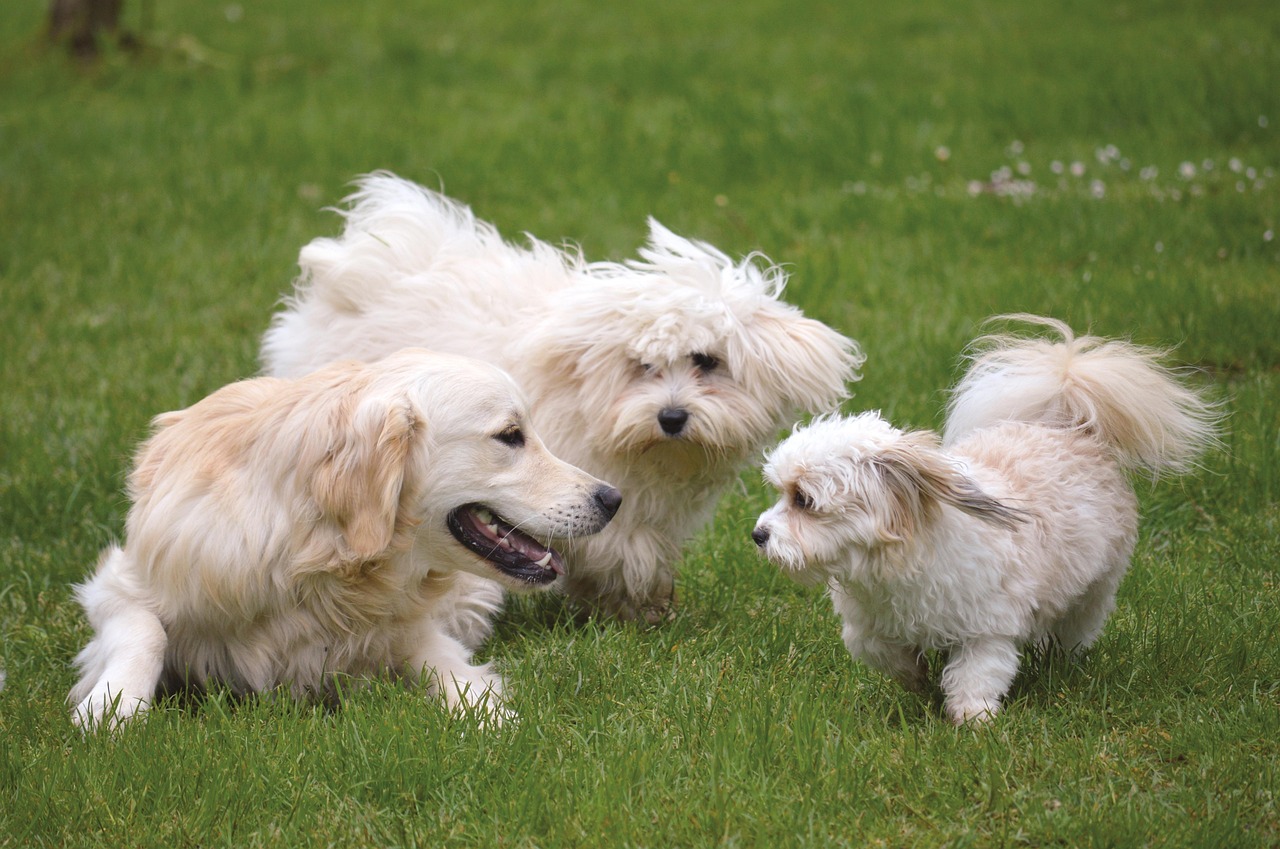

Understanding Socialization Milestones
Socialization is a critical aspect of raising a well-adjusted dog. Puppies go through various stages in their development where socialization experiences shape their behavior. A key period for socialization occurs between three and sixteen weeks of age. During this time, exposure to different people, animals, environments, and experiences is essential. Inadequate socialization can lead to behavioral issues later on, such as fear or aggression. Owners should introduce their puppies to various stimuli in a controlled manner to promote a positive outlook. Enrolling in a puppy training class can encourage safe interactions with other dogs. It is crucial to ensure that the experiences are pleasant and rewarding for the puppy. Regular, positive exposure helps instill confidence and security. A diverse socialization approach involving new sights, sounds, and smells enhances the dog’s adaptability. Overall, understanding the developmental stages and implementing effective socialization strategies can help create a friendly and well-mannered dog.
Puppyhood: 8 Weeks to 6 Months
During the puppyhood stage, between eight weeks to six months, socialization plays an essential role. The experiences during this time significantly affect temperament and behavior as an adult dog. Setting up playdates with vaccinated dogs is ideal for learning proper canine communication. Taking walks around the neighborhood exposes puppies to new sights and sounds, helping them acclimate to different environments. Introducing your puppy to a variety of people, including children and elderly individuals, is equally important. Ensure interactions are positive to build a trusting nature. Puppy classes serve as an excellent opportunity for training, allowing young dogs to learn basic commands and social skills in a controlled setting. Moreover, positive reinforcement techniques help in developing good habits. Gradually exposing puppies to various situations, such as riding in a car or visiting pet-friendly stores, contributes to broader social skills. The goal during this phase is to create well-rounded experiences that promote a balanced temperament for future growth. Overall, focused socialization during this crucial stage lays a solid foundation for adult personality.
As dogs transition from adolescence to adulthood, socialization continues to evolve. This stage, typically from 6 months to 2 years, is when dogs become more independent and may challenge previously learned behaviors. Owners need to reinforce socialization techniques actively. Engaging in regular outings ensures that your dog remains adaptable to new surroundings and experiences. During this time, it’s crucial to continue exposure to various people, dogs, and environments. Social gatherings can include dog parks, pet-friendly events, or training classes, where dogs can learn to interact positively. Additionally, maintaining consistent training routines reinforces good behavior while helping to curb undesirable traits. Something important to remember is that each dog is unique, and socialization must be tailored to the individual’s needs. It’s essential to observe body language during interactions and provide guidance as needed. Regularly practicing socialization helps build a strong bond between the owner and the dog, enhancing trust and communication. Supporting healthy social interactions encourages dogs to develop confidence and adaptability, which are key traits for overall well-being.
Senior dogs often undergo changes in socialization due to aging, health, or lifestyle modifications. Therefore, they continue requiring a focus on socialization to maintain mental health and adaptability. While the socialization practices might vary from younger dogs, introducing them to new experiences can still be beneficial. For seniors, gentle exposure is key, as over-stimulation can cause anxiety or stress. Simple activities like leisurely walks in familiar surroundings or visiting dog-friendly cafes can keep them engaged without overwhelming them. Additionally, meeting new canine companions should be done cautiously, ensuring that interactions are safe and enjoyable. Reminding senior dogs of previously learned skills can help maintain their confidence. Socialization also promotes good mental health, combating the isolation that sometimes accompanies aging. Regular interaction can reduce feelings of anxiety and enhance their overall quality of life. Moreover, the presence of a stable routine can help senior dogs stay grounded. Ultimately, consistent and gentle socialization practices are vital for ensuring that senior dogs enjoy their golden years with joy and companionship.
Common Socialization Challenges
Socialization isn’t without challenges, and understanding these hurdles can help owners address them effectively. Some dogs may experience anxiety or fear, commonly stemming from inadequate early exposure or negative past experiences. Owners should recognize signs of distress, such as excessive barking, cowering, or aggressive behavior. Gradually introducing these dogs to their triggers in a controlled and positive manner is crucial. It may require more time, patience, and effort, but fostering a sense of trust prepares them for successful interactions. Desensitization techniques, like offering treats to distract them, can create positive associations with previously fearful experiences. Additionally, enlisting a professional dog trainer may provide tailored strategies for overcoming specific behavior challenges. Another challenge often arises in breed-specific traits or instincts, which may affect socialization strategies. Understanding the temperaments and predispositions of certain breeds can guide owners in properly socializing them. Owners can appreciate their dog’s unique personality and develop effective socialization plans by working within their dog’s traits. By addressing common obstacles with patience, appropriate resources, and understanding, many socialization challenges can be mitigated or resolved.
Positive socialization is an ongoing process essential for a dog’s emotional well-being. It involves creating situations where dogs can interact positively while learning to read canine body language. Owners can enhance their dog’s social skills by regularly integrating them into new environments. Group classes or organized playdates allow dogs to practice interactions, helping improve their communication. Knowing the signs of stress or discomfort in dogs is critical for successful socialization. Signs, such as tucked tails or intense focus, suggest a dog may need space. Respecting boundaries ensures a safer and more enjoyable interaction for everyone involved. Furthermore, early identification of potential behavior problems can help owners strategize solutions. Continuing socialization throughout a dog’s life fosters a comfortable and adaptable pet. Consistent and structured activities create a socially confident dog despite developmental changes. Engaging in fun, dynamic exercises also strengthens the bond between owner and pet, enhancing loyalty and trust. Over time, these relationships create positive social experiences leading to well-adjusted, well-mannered companions, promoting long-term happiness for both owners and their dogs.
In conclusion, socialization is a vital aspect of pet ownership during different dog ages. It builds a foundation for behavioral development throughout a dog’s life. From puppyhood to senior years, the importance of effective socialization strategies cannot be overstated. Each phase brings unique opportunities and challenges for both dog and owner. By actively engaging in socialization practices and adapting them to the dog’s developmental stage, owners can foster emotional well-being and confidence in their pets. Understanding individual behaviors and triggers enables stronger communication and a more fulfilling relationship. Investing time and effort into socialization equips dogs with essential skills for a peaceful coexistence in a diverse world. The rewards of proactive socialization are immense, as it plays a crucial role in preventing behavioral issues and nurturing strong bonds. A well-socialized dog is not only a joy to own but also contributes positively to the community. Therefore, consistently applying gradual exposure techniques and seeking professional guidance when necessary ensures a brighter future for our canine companions.