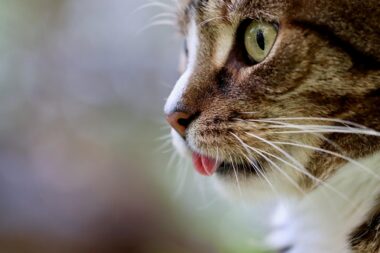

Stress-Induced Behavioral Problems in Cats
Stress can significantly affect a cat’s behavior, leading to various mental disorders. Understanding how stress manifests in cats is essential for owners. Common signs include changes in eating habits, increased aggression, or withdrawal from social interactions. Aligning your cat’s environment with their needs is crucial. Cats are creatures of habit, and any disruption can trigger stress. Additionally, factors like loud noises, new pets, or even changes in household routines can exacerbate this issue. Identifying stressors early can prevent the onset of more severe behavioral problems. If you notice changes in your cat’s behavior, consider the reasons behind it. Stress may lead to destructive behaviors, such as scratching furniture or inappropriate elimination. It’s vital to create a calm environment for your cat by providing safe spaces where they can retreat. Understanding cat behavior is crucial to offering them the support they need. For further assistance, consult a veterinarian or a feline behavioral specialist for tailored advice on managing stress in your feline companion. Remember, addressing these issues early can help maintain your cat’s mental health, ensuring a happy and fulfilling life together.
One common issue in stressed cats is litter box avoidance. This behavioral change can frustrate owners, leading to conflicts. Cats may stop using the litter box due to stress induced by changes in their environment. For example, introducing a new pet or moving houses can disrupt a cat’s sense of security. Maintaining a clean litter box and providing access to multiple boxes can help alleviate this problem. Sometimes, behavioral modification strategies can assist in directing your cat back to its box. Understanding why your cat avoids the litter box is crucial. Is it fear inside the house, or is it an issue with the litter itself? You can improve this behavior by closely observing your cat’s habits and preferences. Providing safe zones as well as understanding their specific likes or dislikes can significantly impact their overall well-being. If the avoidance continues, consider consulting a veterinarian. Addressing your cat’s mental health can restore harmony in your home, ensuring a stress-free environment for both owner and cat. Keeping effective communication is necessary to understand their behaviors and aid them to lead a comfortable life.
Symptoms of Stress in Cats
Recognizing the symptoms of stress in cats is crucial for timely intervention. A stressed cat may exhibit various behaviors, such as excessive grooming, hiding, or even over-aggression. These behaviors can signal underlying mental health issues that need addressing. Owners should keep a watchful eye on their feline friend for any abnormal patterns. Changes in sleeping habits can also indicate stress. A usually active cat that suddenly sleeps excessively or refuses to leave its hiding spot may need support. Vocalizations can also increase for some stressed cats, leading to disruptive behavior. Additionally, check for signs of physical distress, such as vomiting or low appetite. If your cat shows these symptoms consistently, it’s advisable to seek help. Stress affects their mental health, and prolonged exposure can lead to severe conditions. Addressing chronic stress symptoms early can facilitate recovery. Owners should remain observant and proactive about reducing stressors in their cat’s environment. Simple changes can create a more positive atmosphere for your pet, making a great difference in their mental well-being.
Creating an enriching environment plays a vital role in alleviating stress for your cat. Engage your cat with interactive toys, climbing trees, and scratching posts. These items provide mental and physical stimulation, helping reduce stress levels. Playtime is vital; dedicate regular intervals to interactive play. This routine can strengthen the bond between you and your cat, facilitating a stress-free life. Socialization can also promote mental health. While some cats prefer solitude, others enjoy interacting with humans and other pets. Understanding your cat’s social needs is essential for providing a balanced life. Daily routines should include periods of interaction, as well as designated quiet times for your cat to relax. Create a designated and comfortable space where your cat feels secure, such as a cozy bed or tunnel. It’s also beneficial to keep their environment clean and their essentials organized. Regularly changing the layout can spark their curiosity, adding novelty to their lives. Evaluate your cat’s lifestyle, adjusting it according to their personality. Enrichment is essential for promoting mental comfort and overall happiness, ensuring a well-rounded feline life.
Behavioral Modification Techniques
Implementing behavioral modification techniques is essential for addressing stress-induced issues in cats. Positive reinforcement is a highly effective method. Reward your cat for desirable behavior, encouraging them to engage positively with their environment. This approach can alleviate anxiety while building trust between you and your pet. Identifying and removing stressors can also be beneficial. If a particular sound or activity upsets your cat, minimizing exposure can lead to a happier, calmer feline. For some cats, providing safe spaces is essential for managing stress. Creating a cozy den or hiding spot can give them a sense of security. Training your cat to use these spaces during stressful times is helpful. Gradual desensitization may also work well. Acclimating your cat to specific triggers in a controlled manner aids in reducing fear and stress levels. Professional behavioral therapy may be recommended in severe cases. Consulting with cat behaviorists offers structured, personalized advice tailored to your situation. Combining all of these strategies can lead to improved behavior and a happier, healthier cat. Supporting your feline friend’s mental health should be a priority.
Understanding the impact of stress on cats’ mental health requires awareness from pet owners. Stress can lead to more severe psychological issues if not addressed promptly. Mental disorders can include anxiety disorders, compulsive behaviors, or depression in felines. Recognizing signs of distress early can prevent these complications. Encourage your cat to socialize, providing ongoing interaction and engagement. Failures to do so may result in an overly anxious cat that struggles with stress management. As a cat owner, your role is to understand their needs and environment. Regular veterinary check-ups are also vital for overall mental health. Discuss any behavioral changes with your vet to explore underlying issues. Identifying medical conditions that could contribute to stress ensures holistic care for your pet. Nutrition plays a part in a cat’s mental state as well. Offering a balanced diet contributes to their overall wellness, indirectly impacting their temperament. Remember, a well-cared-for cat is a happy cat. Your commitment to their mental health promotes lifelong contentment and stability in their behavior. Remaining vigilant and proactive about their needs is essential for a harmonious feline-human relationship.
Seeking Professional Help
If your cat’s stress-related behavior worsens, seeking professional help is crucial. Veterinarians can assess whether a medical issue contributes to behavioral changes. Stress may manifest due to underlying health problems that require attention. A thorough diagnosis can direct you to appropriate treatment, enhancing your cat’s quality of life. Behavioral specialists can also create tailored intervention plans to help your cat cope. Understanding specific triggers and patterns allows experts to guide owners in managing and modifying behavior. Group or individual therapy sessions can assist in socializing fearful cats. Preparing your pet to face stressful situations can aid significantly in their mental resilience. Additionally, veterinary behaviorists may suggest medications if necessary. Medications may alleviate severe anxiety or fear in some instances, providing pets with the comfort to engage better. Working closely with professionals ensures the best outcomes for our feline friends. Investing in your cat’s mental health reflects love and commitment, making necessary adjustments in their care routine. Remember, support is available for both you and your pet. Investing time and resources into their well-being promotes a happy and fulfilling life together.
Stress can significantly affect a cat’s behavior, leading to various mental disorders. Understanding how stress manifests in cats is essential for owners. Common signs include changes in eating habits, increased aggression, or withdrawal from social interactions. Aligning your cat’s environment with their needs is crucial.