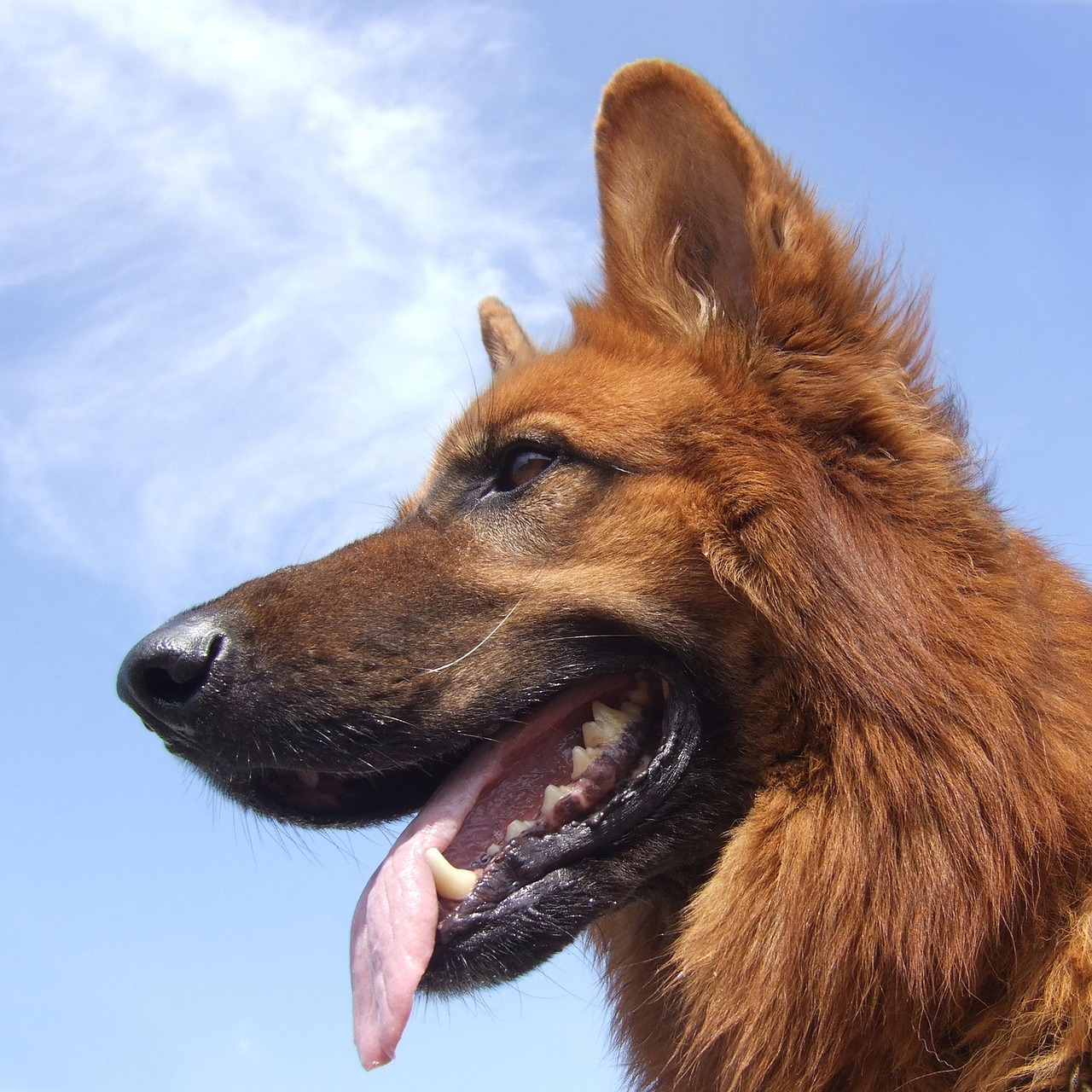

The History and Origin of the German Shepherd Breed
The German Shepherd breed has a fascinating history that dates back to its origins in the late 19th century in Germany. Developed through selective breeding, this breed was created primarily for herding and working purposes. The founding of the breed is credited to Max von Stephanitz, who, in 1899, recognized potential in a specific herding dog he encountered at a dog show. He aimed to blend qualities of intelligence, strength, and versatility into a single breed. The name he gave to his dog was Hektor Linksrhein, and he later renamed it to ‘Horand von Grafrath,’ making it the first registered German Shepherd. Von Stephanitz founded the first German Shepherd dog club and set the standard for the breed. Because of their working abilities, German Shepherds were soon employed in various roles, including police and military service. World War I further popularized this breed as soldiers recognized their loyalty and competence. Today, the German Shepherd stands as one of the most beloved dog breeds in the world, known for its intelligence and loyalty.
This breed’s evolution continued through the 20th century, with many breeders focusing on enhancing specific traits. German Shepherds were bred for both physical appearance and temperament, fostering a balance between agility and power. Their adaptability has made them ideal for numerous roles beyond herding, including search-and-rescue operations and therapy work. During the 1960s, the breed gained immense popularity in the United States, largely due to their portrayal in films and media, making them household names. This period saw the establishment of additional breed clubs and associations dedicated to preserving the breed’s standards. Moreover, various dog competitions, such as agility and obedience trials, showcased their remarkable capabilities. However, with growing popularity came concerns regarding breeding practices, leading to discussions about health issues and genetic diversity. A responsible breeding approach became essential to maintain the breed’s integrity, ensuring that they continued to flourish while preserving their working qualities. Today, reputable breeders adhere to strict guidelines that help mitigate inherited health problems, ensuring that the future generations remain healthy and capable companions.
Characteristics and Traits
The German Shepherd is characterized by its remarkable intelligence and trainability, making them versatile companions. They are typically medium to large-sized dogs with a well-proportioned body, strong bones, and a thick double coat that can vary in color, including black and tan, sable, or all-black. Their ears are erect, and their bushy tails add to their distinct appearance. One of the breed’s most significant attributes is its intelligence. German Shepherds consistently rank among the smartest breeds, which is why they excel in various roles, including working as service dogs, police dogs, and search-and-rescue dogs. Their protective instincts make them excellent guardians, and they often bond closely with family members. However, their intelligence requires mental stimulation during training. A well-trained German Shepherd is obedient, loyal, and often takes pride in their task. These dogs thrive when given jobs and tasks to perform. Early socialization and training are crucial to ensure that they become well-behaved family pets and effective companions in any environment, given their adaptive nature.
While German Shepherds are known for their intelligence and loyalty, they require consistent training and socialization from an early age. As puppies, they are curious and energetic, making it essential to engage them in mental and physical activities. Incorporating obedience training, agility tasks, and regular walks will help keep them focused and well-behaved. Socialization with other pets, children, and different environments is equally vital to shape a well-rounded adult dog. Without proper guidance, their intelligence might lead to behavioral issues, making it vital for owners to establish authority and structure. Providing positive reinforcement during training will encourage desirable behaviors, ensuring a happier, healthier relationship between dog and owner. When they receive adequate training, German Shepherds make excellent family pets and companions, forming deep connections with their human counterparts. Strong bonds based on mutual respect can significantly impact their behavior and happiness. It’s essential to foster an environment where they feel secure. Additionally, engaging their natural instincts through play and structured tasks will keep them fulfilled, reducing destructive tendencies often seen due to boredom or lack of mental stimulation.
The German Shepherd’s Role in Society
Throughout history, the German Shepherd has proven its versatility and usefulness in various roles, showing a remarkable ability to adapt to different tasks. These dogs are utilized extensively in law enforcement, military operations, and security because of their intelligence, strength, and protective instincts. Police work often involves search and rescue operations, apprehending suspects, and crowd control. Their keen sense of smell and remarkable focus make them ideal for sniffing out drugs, explosives, and even missing persons. Additionally, they contribute significantly to search and rescue missions, assisting in locating individuals during disasters and emergencies. Beyond the realm of security, German Shepherds are also used as therapy and service dogs, helping individuals cope with disability or emotional challenges. Their empathetic nature allows them to offer comfort and support to those in need, proving their worthiness as therapy animals in hospitals and mental health settings. The adaptability of the German Shepherd to various roles not only underlines their intelligence but also emphasizes the importance of responsible training and socialization to achieve success in each area.
Moreover, German Shepherds are increasingly recognized for their contributions to canine sports and competitions, where their athletic prowess shines. Events such as obedience trials, agility competitions, and protection sports showcase their energy, intelligence, and trainability. Many enthusiasts enjoy participating in these activities to bond with their furry companions, fostering a sense of teamwork and companionship. Involved in dog sports, these dogs often excel due to their eagerness to please and strong work ethic. Engaging them in sports provides not only physical exercise but also mental stimulation, which is vital for their well-being. Groups and clubs dedicated to German Shepherds promote events that highlight the breed’s capabilities, celebrating their heritage while encouraging responsible ownership practices. Additionally, they help foster a community of dedicated owners who work together to improve the traits of the breed. Through competitions, owners can assess their dog’s progress and adapt training methods accordingly. This not only elevates their dog’s skills but also contributes positively to preserving the German Shepherd breed’s standards for future generations.
Health Considerations and Lifespan
Like any breed, the German Shepherd does have specific health considerations that potential owners should be aware of. Common issues observed in the breed include hip dysplasia, elbow dysplasia, and certain genetic conditions such as degenerative myelopathy. Regular vet visits are crucial for early diagnosis and management of these health concerns, ensuring the best quality of life for the dog. Responsible breeders conduct health screenings on their dogs to reduce the chances of hereditary health problems, offering peace of mind to potential owners. Ophthalmological exams and hip evaluations should be conducted on breeding stock to ensure they meet the breed standards for health. Additionally, maintaining a balanced diet, regular exercise, and weight management can contribute significantly to overall health. When cared for properly, German Shepherds typically live for around 9 to 13 years. Owners should be aware of their dog’s activity levels and adjust care and exercise routines accordingly. Attending to their physical and mental needs will help guarantee that they remain healthy and vital throughout their lives, providing companionship and service for years to come.
In conclusion, the German Shepherd breed has a rich history, known for their intelligence, loyalty, and versatility. With strong roots in herding, their development took on many forms, showcasing their adaptability to various roles in society. Whether serving as working dogs, companions, or sporting participants, their unique qualities make them highly sought after. Potential owners need to commit to providing proper training, socialization, and care for their dogs, ensuring a rewarding relationship built on trust and mutual respect. By understanding their history and characteristics, owners can better appreciate the exceptional traits that German Shepherds possess. As guardians and friends, these dogs have left indelible marks in various aspects of life and society, underscoring their invaluable contributions. Today, they inspire admiration and affection around the globe, serving various roles with grace and courage. German Shepherds remain one of the most popular breeds, beloved by families and working professionals alike. Their history continues to evolve, as new generations maintain their remarkable heritage. Always remember, like any pet, responsible ownership and commitment are key to ensuring the German Shepherd thrives in the home.