
How to Clean and Maintain Your Dog Training Whistle
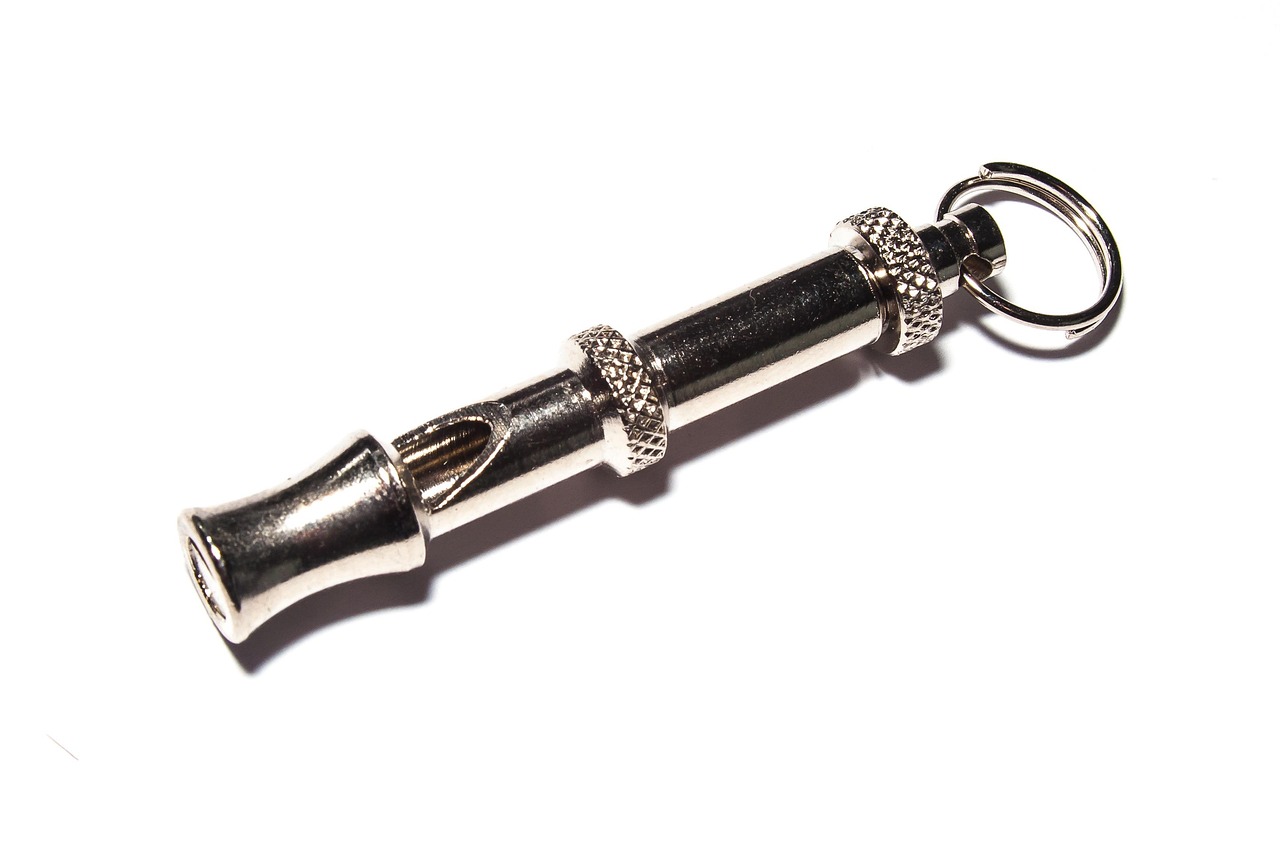
Dog training whistles are essential tools for trainers, helping ensure clear communication with dogs. To achieve optimal results from your whistle, you must maintain its condition. Start by inspecting the whistle regularly for dirt and debris, as buildup can hinder its sound quality. Use a soft cloth to wipe away dirt, ensuring no scratches occur during the cleaning process. A mixture of warm water and mild soap can be beneficial for deeper cleaning. Immerse the whistle in soapy water for a few minutes, then gently scrub with a cotton swab for intricate areas. Rinse the whistle thoroughly to eliminate any soap residues. After cleaning, dry the whistle with a soft towel, as moisture can lead to corrosion. Also, store the whistle in a protective case to prevent damage. It’s vital to avoid exposing it to extreme temperatures or harsh chemicals. These practices will prolong the lifespan of your whistle and ensure consistent performance, which is crucial for effective dog training. Make cleaning your dog training whistle a part of your routine to maintain your investment. Next, let’s explore proper storage techniques to keep your whistle in excellent condition.
Proper Storage Techniques for Dog Whistles
Effective storage solutions can significantly help in maintaining your whistle’s functionality over time. When storing your dog training whistle, ensure it’s kept in an organized and protective environment. A padded pouch or case can offer protection from physical damage and moisture. If your training sessions take place outdoors, consider a water-resistant case. Another practical solution is keeping the whistle with your training gear, but ensure it doesn’t come into contact with sharp objects that could scratch it. It is recommended to keep the whistle in a designated section of your gear bag, separate from other items. This prevents it from becoming damaged or lost among other equipment. Avoid leaving the whistle in extreme temperatures, such as in your car during hot weather, as heat can warp the material. When not in use, ensure the whistle is stored away from direct sunlight to prevent fading or deterioration. Also, regularly check the storage area for invaders like insects. Proper storage will help maintain the whistle’s integrity, ensuring that it serves you well during training sessions. Always be mindful of how and where you keep your dog training whistle.
In addition to cleaning and storage practices, occasional checks are crucial for maintaining your dog training whistle. As a trainer, you should regularly evaluate the whistle sounds to ensure it produces the desired pitch. Over time, a whistle can become less effective in transmitting sounds due to wear and tear. If you notice changes in sound quality, it may require cleaning or possible replacement. Listen for any abnormal noises during use, as they can indicate internal blockages or damage. This assessment will help you detect issues early, ensuring that your whistle remains effective. Conducting this sound check alongside regular cleaning will further promote longevity. Keeping track of how your whistle performs will provide insights into any maintenance needs. If you’re using different tones for specific commands, be sure to check each whistle used. While you develop your dog’s training skills, you can maintain your equipment and ensure reliability. Remember to record any changes or observations you make during your checks to help track performance over time. This awareness will enhance your dog training effectively and ensure clear communication with your canine companion, enhancing your sessions immensely.
Understanding the material composition of your dog training whistle can also assist with maintenance. Most training whistles are made from plastic or metal materials, each requiring distinct care practices. Plastic whistles tend to be lighter but may scratch more easily than metal ones. With these whistles, using a gentle cleaning process is crucial to avoid damaging their surface. Metal whistles, on the other hand, may require more rigorous cleaning to prevent rusting. Products like brass polish can be beneficial for maintaining shine while protecting against corrosion. Ensure that you follow the manufacturer’s guidelines, as some materials may react negatively to specific cleaning agents. It’s advisable to check the label of your cleaning supplies. Furthermore, if your whistle incorporates any electronic components, handle with care, avoiding moisture to prevent electrical malfunctioning. When purchasing a whistle, consider your cleaning routine alongside its effectiveness as a training tool. Invest in a whistle that balances performance with maintenance ease. Being informed will empower you to make effective choices as a dog trainer, ultimately strengthening the bond between you and your dog during your training sessions.
Regularly communicating the maintenance routine to others who use your training whistle is vital. If you train with a team or family members, it’s essential to establish a consistent approach to whistle cleaning and care. Create a chore chart assigning responsibilities to everyone involved. This communal responsibility not only ensures everyone learns proper maintenance practices but also fosters teamwork in your training. Moreover, consider organizing training workshops focused on equipment care. This could include demonstrations on effective cleaning methods and material care specific to each whistle. Sharing knowledge about maintaining dog training equipment can enhance the training experience for both dogs and trainers. Ensure the discussion around maintenance is engaging, integrating tips and tricks that make cleaning seem less of a chore and more of a bonding experience with the gear. Take time to curate a community-oriented learning environment. The more you empower others with knowledge, the better equipped everyone will be to uphold standards in equipment care. Utilizing collective knowledge streamlines the cleaning process and enhances the understanding among trainers involved in your dog training routines, ultimately bettering the training outcomes.
Consider the environment in which you train your dogs as it influences maintaining your whistle. Outdoor training can expose your whistle to various elements, such as dust, water, and mud. These factors may necessitate more frequent cleaning sessions. After training outdoors, inspect your whistle for any debris or moisture that may have collected. A quick rinse can help remove dirt, but remember to dry it thoroughly afterward. If engaged in wet weather training, keep a microfiber towel handy for swift drying. Creating post-training rituals enhances equipment upkeep, turning maintenance into a habit rather than a chore. Emphasizing the significance of care in the context of environmental exposures builds responsibility as trainers. Additionally, adverse effects on training sessions can result from neglecting to maintain whistle cleanliness. Your canine’s response times and listening abilities can be affected by unclear whistle signals. Thus, enhancing understanding of these environmental aspects will help you maintain your whistle effectively. Let’s move forward and discuss how to develop a cleaning routine that fits seamlessly into your regular dog training schedule.
Developing an Effective Cleaning Routine
Creating a routine for maintaining your dog training whistle blends seamlessly into your overall dog training regimen. Establishing a specific time for cleaning after every training session helps instill discipline. Assign a day each week for a deep cleaning session, reserving time to focus on your equipment without distractions. During these sessions, be thorough, following the cleaning guidelines discussed earlier, ensuring the whistle remains in prime condition. Consistency is key; it prevents dirt and grime from building up and keeps your whistle ready for use. You may incorporate a checklist to aid in maintaining accountability and provide a sense of accomplishment. Recording each session’s completion can also enhance motivation while maintaining focus. As you develop this routine, feel free to modify it based on training schedules and your specific preferences. Remember that the more invested you become in caring for your tools, the better results you can achieve. A strong training routine includes strong equipment maintenance as a foundational pillar. This dedication can lead to improvements in performance, responsiveness, and your dog’s overall training experience. Emphasize the importance of the routine to enhance effectiveness and reliability.
Conclusion and Final Thoughts
In conclusion, maintaining your dog training whistle is essential for effective communication and training success. As you’ve discovered, cleaning practices, proper storage, and material awareness significantly impact long-term performance. Collaborating with other trainers can further enhance knowledge about keeping your gear in optimal condition. Be mindful of the environments in which you train, as they may require more frequent cleaning sessions based on exposure to elements. Developing an organized maintenance schedule ensures consistency and helps you check the whistle regularly. By prioritizing your whistle’s care, you build a proactive approach toward training that pays dividends in dog responsiveness. Remember that your commitment to maintaining your equipment enhances not only the whistle’s longevity but also your overall training efficiency and enjoyment. A well-kept whistle truly makes a difference when building a strong bond with your dog through effective communication. Cultivating these practices enhances the training journey, ensuring you and your canine maintain a close and productive partnership throughout your training experiences. Embrace these strategies as part of developing a successful dog training routine, ensuring your efforts bear meaningful fruits during each training session.