
Hydration Tips to Support Your Dog During Training
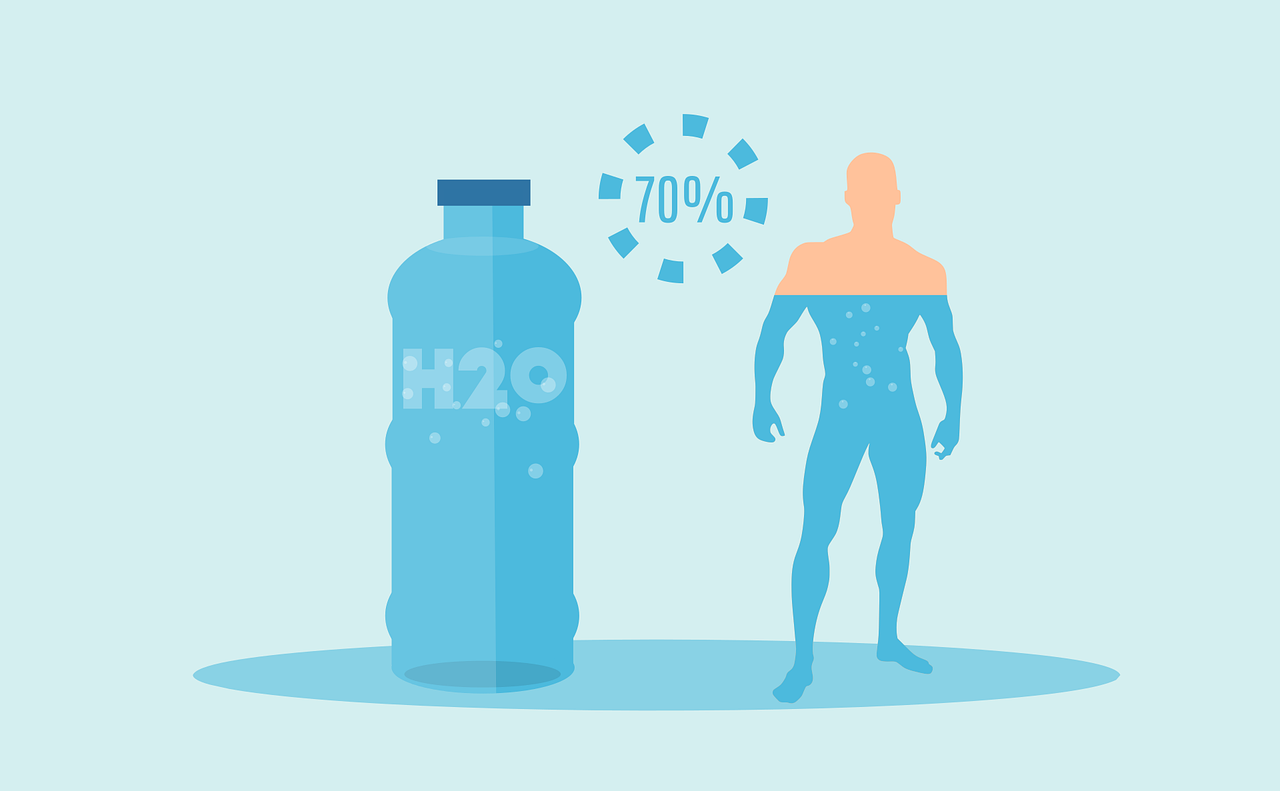
Keeping your dog properly hydrated is essential, especially during training sessions. Dehydration can lead to fatigue, decreased performance, and health issues. To ensure optimal hydration, offer fresh water throughout the day, especially before and after training. Water acts as a fundamental element that aids in your dog’s performance. Consider utilizing a portable water bottle during walks and in practice sessions. If you’re planning an extended period outdoors, bring water and a bowl, as dogs may benefit from drinking on demand. Moreover, monitor your dog for signs of dehydration, which include excessive panting or dry gums. While training, especially during warmer days, take breaks in shaded areas to prevent overheating. Alongside water, certain fruits and vegetables like cucumbers and watermelon can provide hydration, but check for any dietary restrictions your dog might have. If you’re unsure what hydration plan fits your dog, consult your veterinarian. Remember, maintaining hydration is just as significant as providing the right nutrients for your dog to maximize their training potential and performance. Incorporate hydration tips into your routine for the best results!
In addition to water, incorporating electrolytes can significantly enhance hydration for your dog, particularly in those hot summer months. Products specifically designed for dogs are available that offer essential electrolytes without harmful additives. These can replenish lost nutrients after vigorous training or extended outdoor activities. It’s crucial to choose products certified safe for canines, as certain human electrolyte drinks may contain ingredients that are unsafe for pets. When offering these electrolyte solutions, introduce them gradually, to avoid any gastrointestinal upset. Always keep an eye on your dog’s reaction to new products or changes in their routine. For a more natural approach, consider adding coconut water, which is rich in electrolytes and naturally safe for dogs. However, moderation is key, as too much coconut water may lead to stomach problems. Always consult your vet before introducing any new dietary elements. Regular hydration intervals during training can maintain high energy levels, preventing fatigue and overheating. By staying proactive and thoughtful about hydration, your dog will enjoy training more and perform at their best. Make hydration an integral part of your training regimen, complementing your exercise and dietary plans!
Before engaging in intense training sessions, always assess the weather and outdoor conditions. Hot and humid days can lead to rapid dehydration in dogs, so altering training times may be necessary. Opt for early morning or late evening when temperatures are cooler. Always have ample access to fresh water during these training periods. If your dog exhibits signs of overheating, including excessive drooling or prolonged panting, allow them to rest in a shaded or cool area while providing water. Additionally, consider adjusting the intensity of training on particularly hot days to prevent overheating. Swimming can serve as an excellent training substitute for hot days, letting your pup exercise while staying cool. After training, reward your dog with a liter of water to encourage not just hydration but positive reinforcement as well. You can also incorporate wading pools for play breaks, adding fun while also hydrating them. Another option is to freeze water-rich fruits in ice cubes, creating a refreshing treat that’ll cool them off. Incorporate these tactics not only helps to secure hydration but also makes your training sessions enjoyable and effective for your dog!
Recognizing Signs of Dehydration
Identifying dehydration in dogs is crucial to maintaining their health and well-being. Common indicators include lethargy, dry gums, and a loss of skin elasticity. To test skin elasticity, gently pinch the skin at the back of its neck. If the skin doesn’t quickly return to its original position, your dog may be dehydrated. Additionally, observe your dog’s energy levels and behavior during training; sudden drops could indicate that they need water. Monitoring your dog’s water intake is essential, as some may refuse to drink while occupied with playing or training. Another sign of dehydration can be a noticeable decrease in their urinary output; if your dog hasn’t urinated during a training session, it may need to drink. Providing your dog access to fresh, clean drinking water can encourage them to hydrate frequently. Consider using flavored water or adding ice cubes to make it more appealing. Keeping these signs in mind can help you act quickly if your dog begins to show any signs of dehydration while training. Understanding these factors will ensure your dog’s safety and optimal performance.
For those particularly active or sporting dogs, consider formulating a hydration plan tailored to their specific training schedule. Such planning is crucial to maintaining hydration throughout the day. Always schedule regular breaks during training to allow your dog to drink water. Consider time intervals that align with the physical demands your dog faces. For example, during high-energy training, schedule breaks every twenty to thirty minutes. Creating a visual cue like a whistle or a command can signal these breaks. This helps your dog understand it’s time to hydrate. Track your dog’s responses to the hydration breaks, ensuring they’re drinking sufficiently. If more frequent breaks are needed, adjust your plan accordingly. You can also involve some fun by allowing your dog to cool off by splashing in water during breaks. This not only hydrates them but also provides a fun, engaging way to pause training. Hydration doesn’t end with just water; look into options that replenish electrolytes like chicken broth. Staying committed to your dog’s hydration will enhance their performance and overall health in the long run.
Hydration-related Nutrition
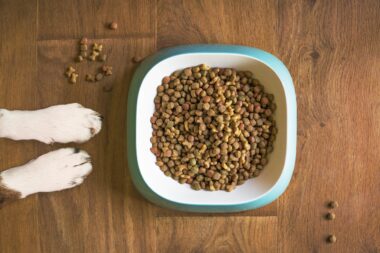
Food plays an essential role when considering your dog’s hydration, especially during and after training. Selecting high-quality kibble that incorporates moisture can aid in overall hydration. Furthermore, wet or canned dog food generally contains more moisture and can be an excellent supplement for maintaining hydration levels. Combining kibble with wet food can promote better hydration and enhance flavor, encouraging eating after training. Additionally, consider incorporating homemade meals that include moisture-heavy ingredients like broth or cooked vegetables. Foods rich in water such as steamed carrots or broccoli can provide hydration benefits too. Always ensure that any homemade meals are dog-friendly and free from harmful spices. When providing treats, consider selecting those that contribute towards hydration, such as frozen fruit snacks. These not only keep your dog cool but also contribute to hydration in a fun manner. During summer months, work this variety into your dog’s meal plan, and observe their preferences. Adjust their portions based on their activity levels ensuring they receive appropriate nutrition while supporting hydration. Nutritional adjustments pay off significantly in your dog’s overall health and training success.
Finally, always be mindful of any changes in your dog’s drinking habits. If your dog suddenly sips less or avoids drinking altogether, it could indicate an underlying issue requiring a vet’s attention. Understanding the context of their environmental and physical conditions is important for maintaining a good hydration routine. Keep your environment conducive to drinking, such as placing water bowls in shaded areas or within reach during training. Dogs may drink less if they’re uncomfortable with the water temperature, so ensure it is fresh and cool. Promote hydration through consistent reinforcement, ensuring your dog receives praise for drinking. Build a routine where water breaks are reliably integrated into training sessions. Consider making it a daily habit; leaving bowls always filled with fresh water encourages drinking regularly. Being aware and attentive to their specific needs makes a difference in performance outcomes. This commitment will ensure you provide your dog with the best training experience possible. By prioritizing hydration, you enable better focus, heightened energy levels, and improved overall health for your canine companion. Your efforts will lead to successful training results and a happy, healthy dog.