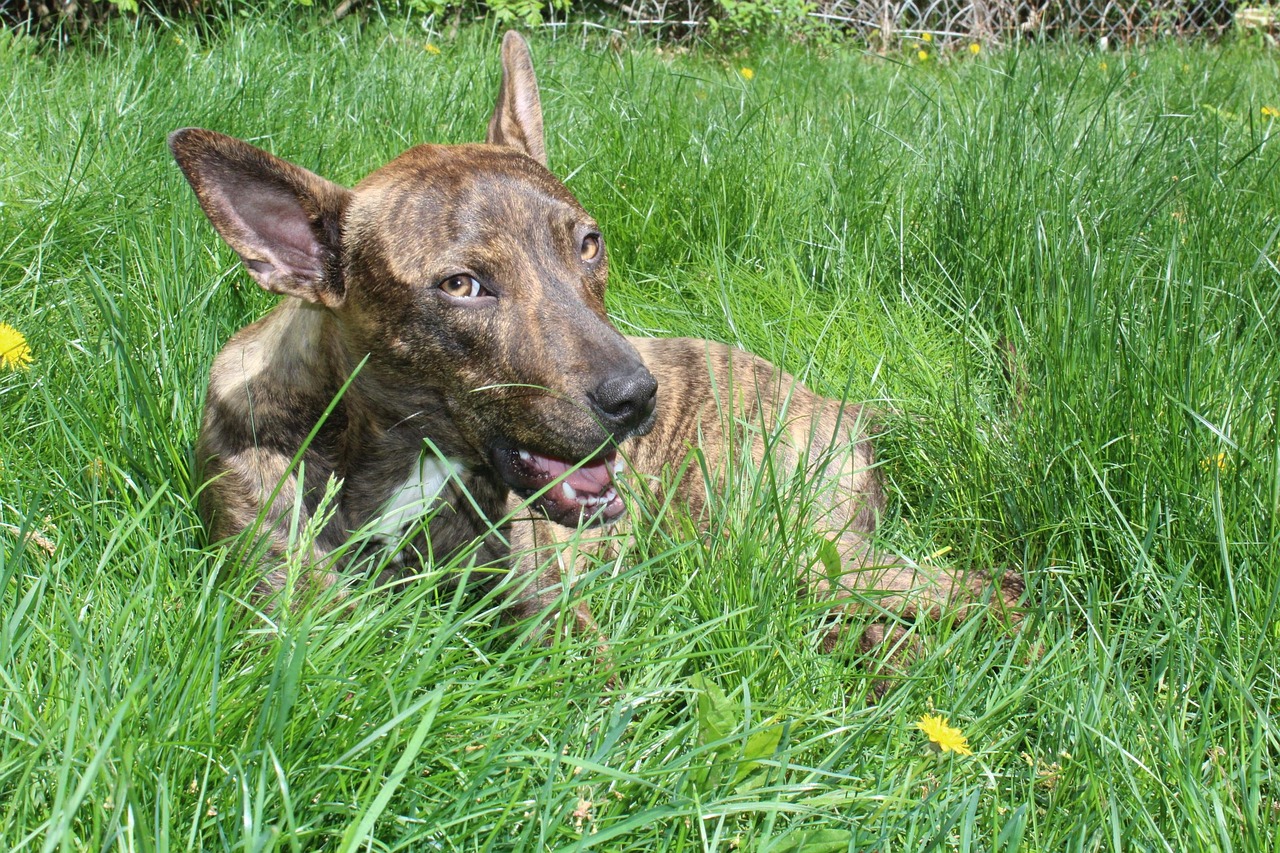

Socialization Challenges for Rescue Dogs
Rescue dogs often face unique challenges in socialization due to their varied backgrounds. Many of these canines have experienced trauma, neglect, or abandonment, which can hinder their ability to interact well with other dogs and people. For these dogs, socialization takes on a different dimension. Each encounter with a stranger or another dog can be fraught with anxiety or fear. Therefore, understanding their specific challenges is crucial for fostering their social skills. Proper socialization helps these dogs gain confidence, reducing fear and anxiety towards unfamiliar situations. Techniques such as controlled introductions and gradual exposure to new environments can significantly aid in the process. Working with a professional dog trainer or attending socialization classes can also provide support. Strategies may include positive reinforcement and a focus on creating safe, non-threatening environments. Above all, patience is essential. Many rescue dogs require additional time to adapt. Keeping training sessions short and engaging is often beneficial. Tailoring approaches to individual needs will yield the best results, gradually helping them overcome their past experiences and leading to a happier and healthier life.
One of the primary socialization challenges for rescue dogs is fear-based behavior. Various experiences may lead these dogs to react defensively when faced with new encounters. For instance, a dog who has been mistreated may seem aggressive or shy toward people. Adopting a rescue dog requires understanding their behavioral cues and responding appropriately. A thoughtful approach can make a significant difference in how quickly these dogs can adapt over time. It’s essential to recognize the signs of fear, such as freezing, growling, or retreating. Identifying these behaviors allows handlers to create a more supportive environment. Instead of forcing interactions, offering treats and encouragement can promote positive associations with new faces. Furthermore, introducing them to friendly, well-socialized dogs can offer valuable learning experiences. Gradual and positive interactions form the foundation for successful socialization, steering clear of negative experiences that could cement fear. Socializing during a dog’s critical socialization period, which typically occurs between 3 and 14 weeks, can be especially advantageous. However, adult dogs can learn at any age with the right patience and support. Being attuned to a rescue dog’s needs helps in addressing and overcoming their social anxiety.
Building a Strong Foundation
Creating a strong social foundation is vital for rescue dogs. It involves exposing them to various stimuli, including people, sounds, and environments. Structured experiences can assist these dogs in adjusting comfortably to their new homes and surroundings. Consistency plays a key role in successful socialization, ensuring that dogs learn what behaviors are appropriate in various contexts. Introducing them gently to different sights and sounds can decrease anxiety over time. Taking them on daily walks or to busy parks allows them to encounter numerous new experiences without overwhelming them. Each interaction provides opportunities to practice good manners and build confidence. When dogs see that they can rely on their owners for support, they feel more secure. Using positive reinforcement strategies, such as treats and praise, encourages favorable behavior during these encounters. Owners should maintain a calm demeanor, as dogs often mirror their human’s energy. Training should emphasize fun and exploration rather than pressure. The goal is to have the dog associate new experiences with positive outcomes. With time and patience, rescue dogs can flourish in their social skills, paving the way for fulfilling relationships both with humans and other dogs.
Overcoming previous negative experiences can be a lengthy process for rescue dogs. These dogs may side-step interactions that seem innocuous to more socially advanced dogs, demonstrating that the past often influences their present behavior. Understanding that this process is non-linear can alleviate some frustration faced by owners. Self-care for owners is just as important as the training process for the dogs. Acknowledging one’s own emotional reactions during training can enhance the overall experience. Consistency in training methods is paramount; using distinct cues helps prevent confusion and promotes learning. Seek support from networks of fellow dog owners as they can provide helpful insights and encouragement. Organizing playdates with tolerant and friendly dogs is another way to facilitate socialization. These sorts of controlled interactions present opportunities for dogs to learn through imitation. For example, a rescue dog may observe a confident dog greeting strangers and mimic that behavior. Owners should also pay attention to their rescue dog’s comfort level. By establishing a safe zone in their home, where the dog can retreat during overstimulating situations, owners can help mitigate anxiety and encourage future interactions.
Progress Evaluation
Evaluating a rescue dog’s progress in socialization requires patience and observation. Owners often expect rapid results, but significant changes may take time to manifest. Regular assessments of their behavior during interactions can provide valuable insights. Keeping a journal of their reactions can help in tracking improvement and identifying play patterns, allowing owners to focus on areas requiring additional work. Enhancing a dog’s confidence, especially around strangers, can be achieved by monitoring successful encounters. Owners should remain vigilant to ensure they’re not pushing their rescue dog too quickly. Gradual exposure to positive experiences will support their comfort in social situations. Identifying and celebrating small achievements can foster motivation for both the dog and owner. Positive reinforcement at every level of progress cultivates an eagerness to engage in further social interactions. Owners should work on one situation at a time, building upon any improvements over days or weeks. Engaging with a veterinarian or trainer can provide reassurance. Professional evaluations can also help owners determine the most beneficial strategies to share with their dogs and reassess goals for socialization.
Incorporating play into training scenarios offers benefits for improving social skills. Rescue dogs often relax and enjoy playtime, prompting natural socialization. Structured activities can facilitate interaction without pressure. For instance, games like fetch or agility can help them learn cues while also allowing them to engage with other dogs. Focused playdates with well-behaved dogs will also positively impact their confidence levels. Observing how dogs learn from social play is another excellent learning opportunity for owners. Observing their interactions, owners can discern the nuances of dog communication. Recognizing unspoken cues like body language is important in building future social interactions. Familiarizing oneself with canine behavior improves understanding and connection, enhancing training effectiveness. Play also allows for fun, helping maintain motivation among rescue pups during training sessions. Over time, rescue dogs can approach other dogs and people with greater enthusiasm as their comfort grows. These practices build an enduring foundation. With patience and consistent efforts, rescue dogs can evolve into confident companions, leading to deeper connections with their owners and enhancing overall quality of life.
Creating a Lifelong Commitment
Socialization doesn’t end after initial training; instead, it becomes a lifelong commitment. Newly rescued dogs may continue to require focused socialization as they encounter new experiences and environments. Owners must understand that growth is an ongoing journey, which brings intrinsic rewards. Continuous exposure to new situations alongside routine activities ensures dogs remain adaptable to changes in their surroundings. This ongoing commitment assures they grow comfortable in various settings. Social activities like trips to dog parks or classes offer opportunities for renewed interactions that reinforce training throughout their lives. By integrating socialization into daily routines, owners foster a well-rounded, resilient dog. Regular playdates with friends’ dogs or attending group classes supports the learning of essential social skills. Joining local dog clubs or participating in events also encourages ongoing socialization. As dogs mature, they continue to grow and develop their social skills, accommodating new challenges. Ultimately, creating a loving and supportive environment ensures rescue dogs will confidently navigate their world. This proactive mindset enriches their lives while simultaneously strengthening the bond between dog and owner for years to come.
In conclusion, socializing rescue dogs presents unique challenges that require understanding, patience, and dedication. Addressing their specific needs is crucial for successful training and development. Each rescue dog comes with its background, which influences their behavior, necessitating tailored approaches. Fostering a supportive environment during training can lead to well-adjusted canines that thrive socially. Positive reinforcement and gradual exposure strategies yield the best results, allowing these dogs to overcome their past traumas effectively. Collaboration with trainers and other dog owners enhances the learning experience, providing ongoing support. Evaluating progress regularly ensures that socialization remains on track, and adjustments can be made if needed. Incorporating play into training creates positive associations with new experiences while maintaining the dog’s enthusiasm. Ultimately, the commitment to continued socialization lays the foundation for lifelong companionship and happiness. As the bond between the dog and owner strengthens, both can enjoy the richness of sharing life together, fostering mutual respect and understanding. Through consistent efforts, rescue dogs can become loving and loyal friends, enriching their owners’ lives in unexpected ways.