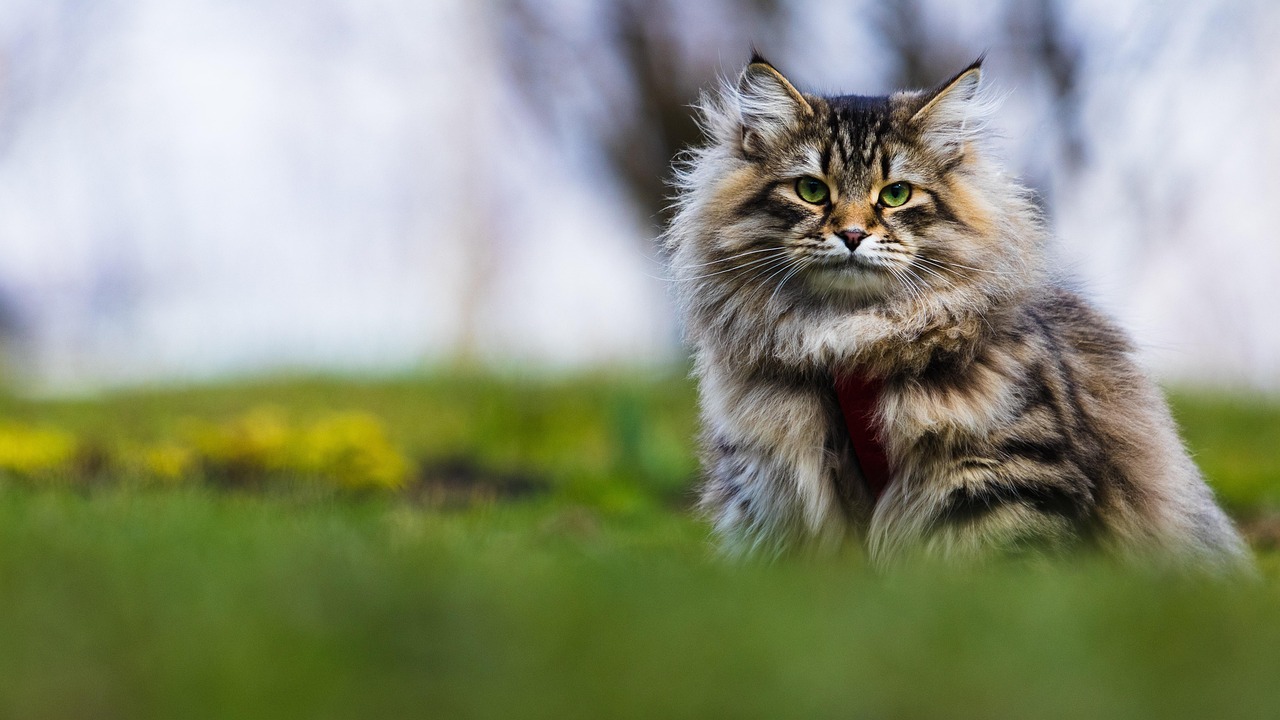

The Role of Siberian Cats in Russian Folklore and Culture
Siberian cats are more than just beloved pets in Russia; they hold cultural significance woven into the very fabric of Russian folklore. These majestic cats are often featured in tales representing mystique and companionship. In old Russian villages, it was common to spot a Siberian cat roaming adjacent to ancient wooden homes, silently watching over the families. This bond between Siberians and Russian households has been cherished for generations. They are often thought of as guardians of the home, bringing both luck and protection against evil spirits. Tales of Siberian cats overcoming the most daunting of adversities abound in folklore, showcasing their resilience. With their thick fur coats, these cats not only symbolize warmth but also reflect the perseverance of people living in harsh climates. Their presence in folklore reinforces the belief that nature and domesticity intertwine, making them integral to Russian heritage. As we delve deeper into the stories and legends surrounding these cats, we find that they embody the spirit of survival, which resonates deeply within Russian traditions and narratives. Truly, Siberian cats encapsulate the essence of home, culture, and the enduring human-animal bond.
As guardians of the home, Siberian cats are often depicted in folklore as protectors against malevolent forces. Numerous tales illustrate how these imposing felines would stand bravely in the face of danger, often shooing away demons or spirits lurking around the house. This protective image is reinforced by their physical prowess and intuitive behaviors. In various stories, Siberians possess remarkable abilities, such as the foresight to detect impending natural disasters, a quality that generations have revered. Their keen instincts make them seem almost mystical, thus enabling these cats to take on a bigger role than mere companions. Beyond guarding the household, they symbolize resilience in Russian culture, thriving amid challenging environmental conditions. These cultural narratives blur the lines between reality and myth, creating an aura around Siberian cats that captivates the imagination. They are emblematic of strength, bravery, and the ability to face life’s adversities, which resonates profoundly with the Russian spirit. Through songs and stories passed down from generation to generation, Siberian cats cement their place in cultural memory, reminding everyone of the power of loyalty and protection within familial structures.
Folklore and Symbolism of Siberian Cats
The symbolism of Siberian cats extends beyond simple affection to encompass deeper meanings in folklore. Often associated with good fortune and happiness, these cats are believed to bring prosperity to the households that welcome them. Stories abound where families thrived after adopting a Siberian cat, highlighting their connection to abundance and fortune. Traditional beliefs suggest that a Siberian cat crossing one’s path is a sign of good things to come. Their fascinating and elegant behavior brings joy while also imparting wisdom about navigating life, much like how families navigate life’s challenges. Folklore narrates that Siberian cats possess the charm to attract good luck and dispel negativity, solidifying their role as beneficial inhabitants of Russian homes. With their captivating personalities, they entertain stories of adventure and love, weaving them further into the cultural tapestry. The magical bond shared between humans and Siberian cats is a testament to their revered status in spiritual beliefs and everyday life. This affectionate companionship carries narratives that mirror the symbiotic relationship built over centuries, showcasing the power dynamics between humans and their feline friends.
Siberian cats also appear in traditional Russian art, further embedding them into the cultural landscape. Artists often use these majestic creatures as symbols of domestic life, emphasizing their significance in daily household activities. Painters and sculptors depict Siberian cats sharing warm moments with families, illustrating the love and loyalty inherent in these relationships. This artistic representation encapsulates the essence of Russian life, demonstrating how these felines are woven into both the literal and figurative tapestry of home. Over time, their depiction in art has transformed from mere representation to an emblem of cultural identity, where they stand for grace and natural beauty. The intertwining motifs of Siberian cats with rustic settings invoke feelings of nostalgia, linking viewers to memories of their own cherished pets. Festivals and exhibitions often celebrate these cats’ representations, further enhancing their role as cultural icons. Each brushstroke imbues the Siberian cat with life, showcasing their unique character and charm. Consequently, these artistic endeavors serve not just to beautify public spaces but also reinforce the close connection between Russian families and their feline companions, monuments to shared history and love.
Literary References to Siberian Cats
Siberian cats have also made their mark through various literary works, where they play pivotal roles in unfolding stories or representing specific themes. Many Russian authors have referenced them as metaphorical devices to discuss themes such as loyalty, companionship, and the complexities of life. Commonly portrayed as wise, intuitive, and nurturing, these cats often reflect the traits desired in human relationships, blurring lines between the emotional and physical worlds. In tales composed by iconic writers, Siberian cats symbolize love that transcends boundaries, making deep connections that resonate with readers. They offer comfort to protagonists navigating life’s trials, teaching compassion and understanding through their behaviors. Readers often find themselves drawn to the subtle inclusion of these cats, noting how they flourish within the nuances of the storyline. Their portrayal enriches the narrative, revealing the importance of companionship in human lives. By examining texts that include Siberian felines, one gains insights into their cultural significance expressed through literature. This literary tradition celebrates the longstanding partnership between humans and animals, making Siberian cats cherished symbols in Russian heritage.
Despite their celebrated status, Siberian cats also face challenges within modern society. As urbanization takes hold, many households are often too busy to appreciate the gentle companionship and protective nature these cats offer. This shift in living situations threatens their well-being, distancing them from their cultural significance in folklore. Moreover, breeding practices and care requirements are critical concerns that affect their health and enjoyment in family units. The need for education and awareness regarding Siberian cats is essential, ensuring people can successfully integrate them into busy lifestyles without compromising their needs. Preservation of traditional values surrounding these cats can act as a bridge to connect modern households with cultural roots. Ensuring these majestic creatures occupy a significant place in everyday life requires nurturing efforts from communities and pet owners. One can achieve this by promoting responsible breeding and emphasizing the importance of cultural education in pet care. Efforts to spread the word about their lineage can bolster appreciation and respect for Siberian cats, reinforcing their role in cultural memory. Seeing them valued today lays the foundation for future generations to enjoy this historic companionship.
Conclusion: The Enduring Legacy of Siberian Cats
In conclusion, Siberian cats play a vital role in the rich tapestry of Russian folklore and culture. Their unique qualities, showcased in various stories, arts, and literature, reinforce their status as companions steeped in tradition. As symbols of protection, resilience, and good fortune, they significantly impact the lives of those who welcome them into their homes. Moreover, these cats exemplify the deep emotional connections shared between humans and their pets, reminding us of our need for companionship and loyalty. As society evolves, preserving their legacy becomes paramount, requiring education and dedication from contemporary pet owners. By embracing their history and ensuring their well-being, families can keep the spirit of Siberian cats alive and thriving. Their enchanting presence will foster connections, bridging past and present experiences in homes across Russia and beyond. This enduring legacy can inspire more stories filled with adventure and love, celebrating their role in the intricate relationship between humans and animals. Ultimately, Siberian cats symbolize continuity and the strength of cultural ties, paving the way for a future where their significance is appreciated and cherished.
The captivating narrative surrounding Siberian cats continues to evolve, inviting new generations to explore their ties with Russian culture. As people seek companionship in their lives, these enchanting felines offer much more than warmth; they weave tales of their own. Their stories range from being protectors to symbols of good luck, reminding us all of the special bond between people and animals. In understanding their cultural significance, we also become aware of our role in the lives of these majestic beings. Stories centered around Siberian cats can spark a journey into art, literature, and folklore that enriches our appreciation for this breed. By embracing their legacy, we contribute not only to their preservation but also to enhancing our understanding of familial and societal connections. The ongoing storytelling of these captivating felines will ensure their spirit remains ever-present in homes, books, and artworks. Whether through the eyes of an artist, writer, or pet owner, the unique charm of Siberian cats inspires creativity, affection, and deep ties that resonate within the human heart, highlighting the enchanting relevance of their presence within our lives.